Collins: White House backing down from NIH grant order
The White House is backing down from a plan to issue an executive order that would give the White House control over scientific grants from the National Institutes of Health, Sen. Susan Collins (R-Maine) said. Collins, chair of the Senate Appropriations Committee, has been pressuring the White House Office of Management and Budget all week…
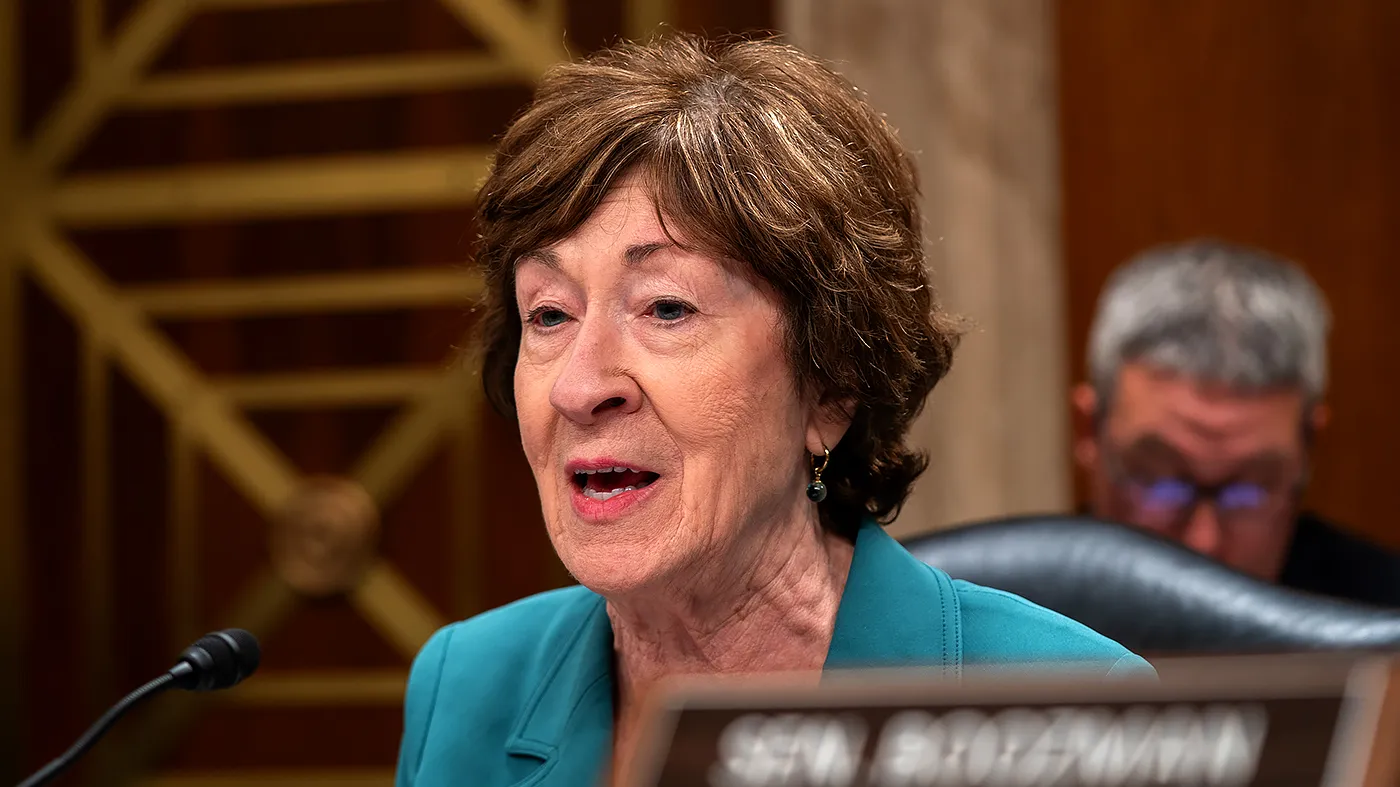
The White House is backing down from a plan to issue an executive order that would give the White House control over scientific grants from the National Institutes of Health, Sen. Susan Collins (R-Maine) said.
Collins, chair of the Senate Appropriations Committee, has been pressuring the White House Office of Management and Budget all week to drop the idea, and said officials conveyed to her they will not be moving forward.
“We should not have a politicized process for awarding research and biomedical grants to institutions. It needs to be merit-based, and I’m glad that the White House listened to those of us who were making that argument,” Collins told reporters Wednesday.
The Washington Post reported earlier this week that NIH Director Jay Bhattacharya and several administration officials, including OMB director Russell Vought, had a heated discussion late last week about setting up a political review board for NIH grants in order to give the White House greater control and diminish any diversity, equity, and inclusion efforts.
Semafor reported earlier on Wednesday that the White House was backing off the idea.
The potential for political interference sparked outrage among the scientific community and congressional appropriators.
Topics in this story
Gathered from external sources. Rights to this text belong to whoever originally published it.