Would a diesel export ban actually bring down prices?
Experts are skeptical that a diesel export ban would meaningfully reduce fuel prices in the U.S. as the Trump administration sends mixed signals about if it is considering such a move. Analysts interviewed by The Hill said that an outright ban could provide some short-term relief in certain parts of the country, but that in…
Experts are skeptical that a diesel export ban would meaningfully reduce fuel prices in the U.S. as the Trump administration sends mixed signals about if it is considering such a move.
Analysts interviewed by The Hill said that an outright ban could provide some short-term relief in certain parts of the country, but that in the long-term, it could have unwanted consequences.
“If they were to just outright ban exports for 90 days, it probably would, in the short term, lead to lower prices,” said Patrick De Haan, head of petroleum analysis at GasBuddy, when asked about diesel costs.
“But then, as prices fall, refiners would probably respond, and how they do that could vary significantly,” De Haan added, saying that if refineries choose to process less oil, it could ultimately raise prices of other fuels.
“Cutting rates of refining to reduce diesel output would also mean that gasoline output gets hit in a more significant way, so that could send gasoline prices up,” he said.
Experts also said that any impacts to diesel price could be largely regional.
“If we were to do an export ban, that means we would keep all the supply in the U.S. Now, in theory, what that should do is — that’s more domestic supply that can lower the price of diesel in the U.S., but because of the way it’s structured, it’s only going to lower prices temporarily in those Gulf states,” said Gbenga Ajilore, chief economist at the Center on Budget and Policy Priorities and a former Biden administration official.
“Because we don’t … have a good way of transporting diesel throughout the country, [the] West Coast and East Coast are going to not see any sort of price relief on diesel because those areas import from overseas,” added Ajilore, who was a senior adviser in the Agriculture Department under the Biden administration. “We’re reducing supply globally. The global market for diesel is going to shoot up, and so that becomes more expensive on the East Coast and the West Coast.”
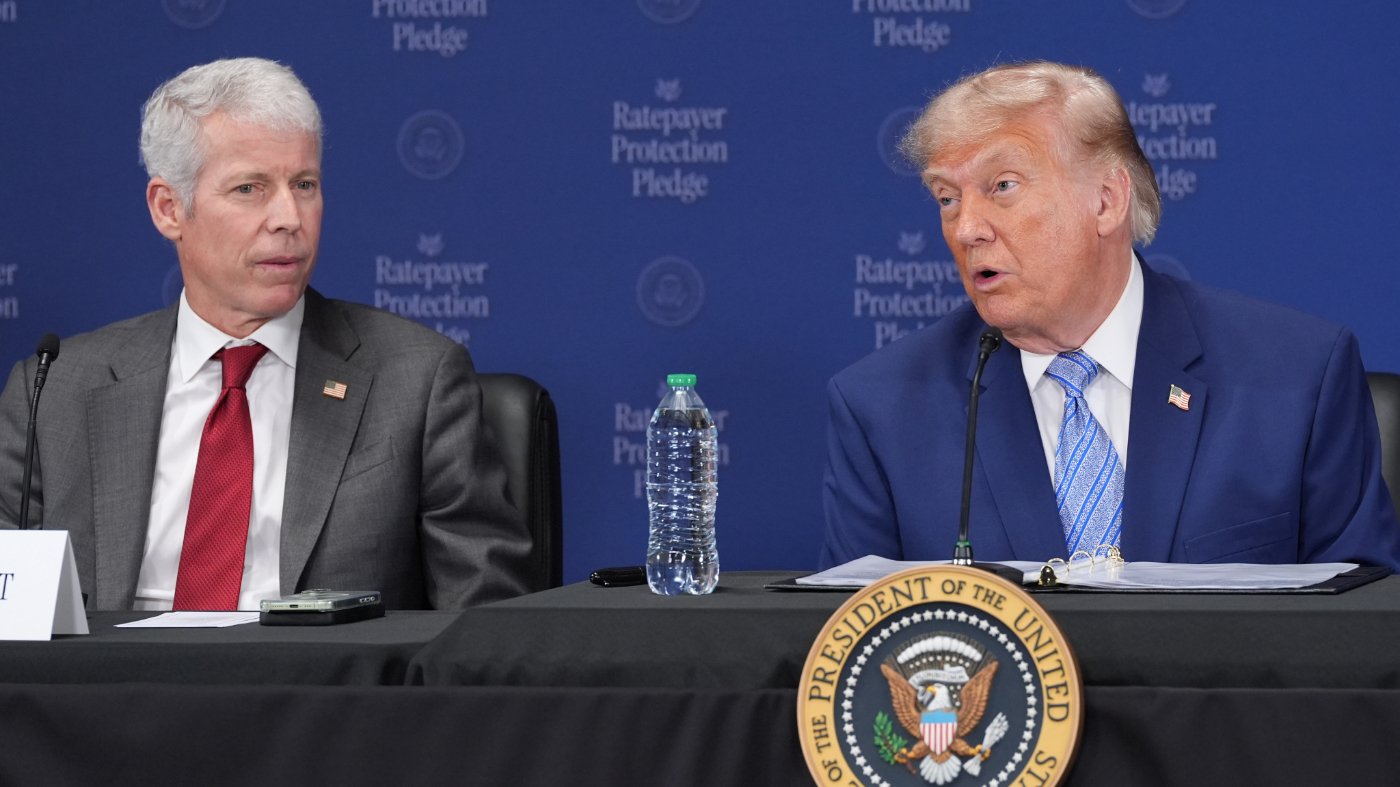
President Trump backed the idea of a ban on Tuesday, saying at the United Nations in New York, “I’ve said, ‘Let’s not send out the diesel.’ We make a lot of diesel.”
However, Energy Secretary Chris Wright on Wednesday indicated that the administration was not gearing up to ban exports and said that the idea “definitely doesn’t work.”
Politico reported that the administration was planning a 90-day ban , citing five sources, but the White House denied that report.
Prices of both diesel and gasoline have been rising in recent weeks, with diesel in particular reaching record highs. As of Wednesday, diesel prices were averaging $6.52 per gallon, while gas was averaging $4.47 per gallon in the U.S., according to AAA .
The high diesel prices have led to increased calls for an export ban, particularly from agriculture-state GOP leaders. Oil-state Republicans, however, have thrown cold water on the idea as harmful for their states and the broader economy.
Outside analysts have also warned of economic consequences.
“Gas prices in the U.S., for a complete export ban of diesel, get hammered, both because the U.S. is producing less, and because prices elsewhere, everywhere else in the world, are also higher,” said William O’Neil, principal research analyst at S&P Global.
Debnil Chowdhury, head of Americas and Europe fuels and refining at S&P Global, said that U.S. refineries don’t have much flexibility to switch between fuels.
“Refineries aren’t very flexible with yield shifting. So there’s only so much you could reduce diesel yield and go in favor of gasoline and jet fuel,” he said. Chowdhury and O’Neil said that refineries may end up cutting operations across the board, which could lead to higher gas prices.
However, they said that partial export restrictions, such as a scenario where the U.S. caps its diesel exports to where they were last year, would be less disruptive.
De Haan, with GasBuddy, also noted that other policy proposals are being floated, including “taxing the export of diesel and using the tax revenue to subsidize U.S. prices.”
“The talk about an export ban is more akin to a sledgehammer, and the government needs to replace that with more like an X-Acto knife,” he said.
Topics in this story
Gathered from external sources. Rights to this text belong to whoever originally published it.