Chief Justice Roberts briefly allows White House ballroom construction
Chief Justice John Roberts temporarily blocked a ruling that was set to halt construction on the White House ballroom later Friday, ruling that work can briefly continue as the Supreme Court mulls the Trump administration’s emergency plea to intervene. It delays, for now, a lower court’s deadline to stop above-ground construction by the end of the day. …
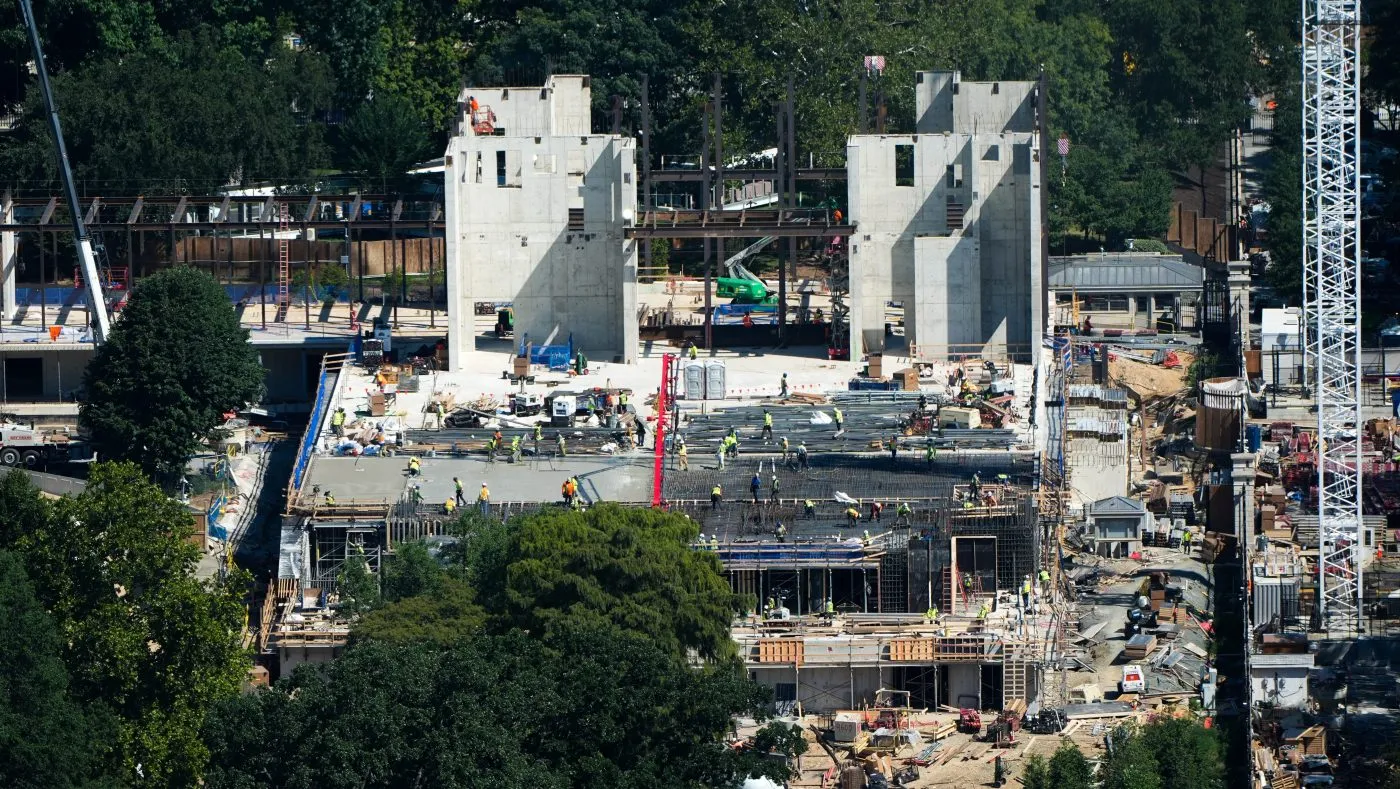
Chief Justice John Roberts temporarily blocked a ruling that was set to halt construction on the White House ballroom later Friday, ruling that work can briefly continue as the Supreme Court mulls the Trump administration’s emergency plea to intervene.
It delays, for now, a lower court’s deadline to stop above-ground construction by the end of the day.
Roberts’s order gives the Supreme Court additional time to consider the administration’s emergency appeal but contains no explanation. It does not necessarily reflect the court’s thinking on the underlying legal issues.
The chief justice received the appeal because he handles emergency matters arising from the nation’s capital by default. He could still refer it to the full court for a vote, as is typical in appeals brought by the Justice Department.
The Justice Department asserts that the project must continue for security reasons after a series of shootings and threats in President Trump’s vicinity.
The 90,000-square-foot project has been challenged by the National Trust for Historic Preservation, which convinced the U.S. Court of Appeals for the District of Columbia Circuit that the ballroom required additional congressional authorization.
“If Petitioners believe there is a pressing need for a ballroom, nothing prevents them from asking Congress for one — today, tomorrow, or any time in the future,” the group, represented by Foley Hoag, wrote in court filings. “But Petitioners’ efforts to foil judicial review and arrogate Congress’s exclusive powers should not be rewarded.”
The Hill has reached out to spokespeople for the group’s legal team and the Justice Department for comment.
The Trump administration argues the project has the needed approvals because it uses private funds. It also argues the preservationist group has no right to sue over it in court.
Solicitor General D. John Sauer told the justices “that would open the courthouse doors to any of the millions of people who visit government buildings, historic sites, or parks and happen to think that they dislike something they see.”
A new ruling on the ballroom could come at any time.
The Supreme Court is simultaneously weighing the Trump administration’s emergency plea to enforce his executive order targeting mail voting in time for the midterms.
Topics in this story
Gathered from external sources. Rights to this text belong to whoever originally published it.