In 1982, Seiko put a Seiko TV in a watch with a 1.2-inch screen, but watching it meant carrying a separate receiver in your pocket
Discover the remarkable story of Seiko's 1982 TV watch, the world's first wristwatch with a television tuner and headphone jack, and explore its innovative technology and design impact.
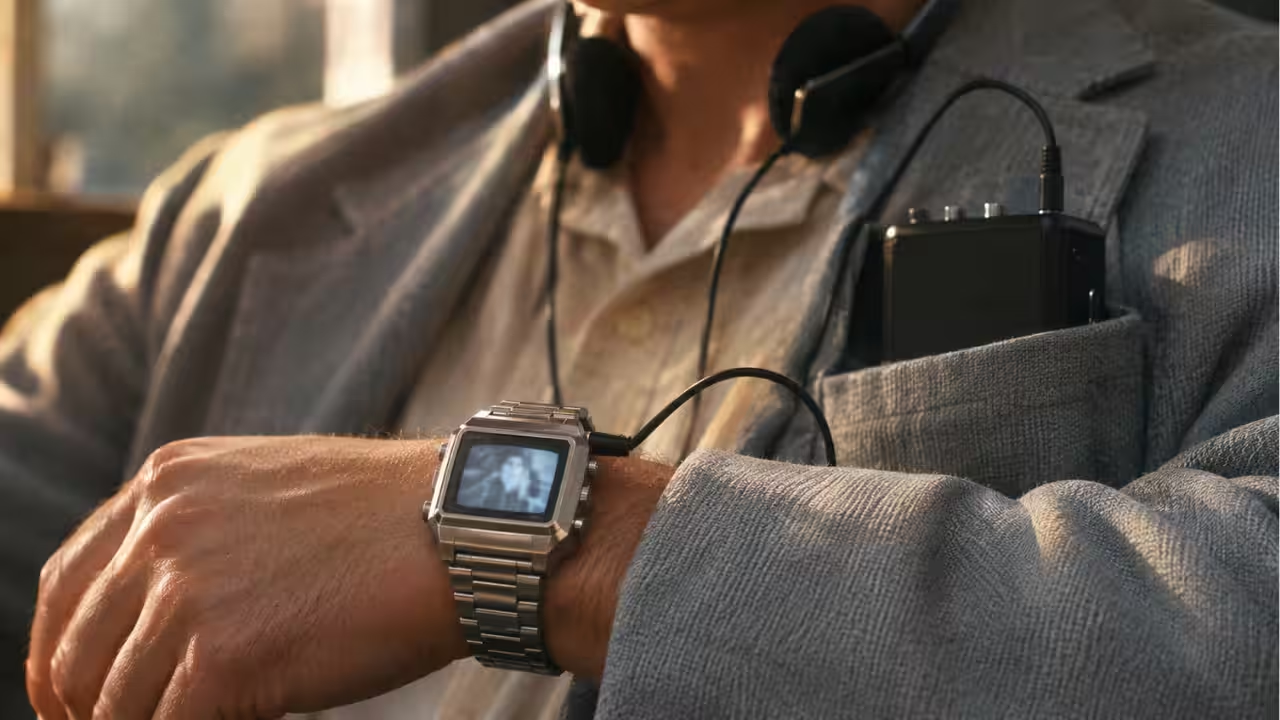
Sneaking a look at a screen in a boring meeting might feel like a modern habit, but in 1982, Seiko tried to do just that with a TV on the wrist. The Seiko Museum Ginza describes the 1982 LCD TV watch as the world's first watch with a tuner and a headphone jack, made for watching TV anywhere, anytime. It had a 1.2-inch screen and was worn on the wrist like a digital watch. However, there was a catch: the wearer had to carry a separate receiver in a pocket to watch anything.A tiny screen packed with new technologyThe TV screen was 1.2 inches large and had a liquid crystal display, which was a pretty big deal for its time. The museum says it had an advanced LSI chip and liquid crystal technology that was instantly responsive to low voltage. This means that the screen could display moving pictures while requiring very little energy. The watch could still perform basic tasks like the alarm, chronograph, calendar and also tune in to FM radio. Seiko Epson's company history adds that the display was built from a panel first created for watches but modified to display moving images. At the time, the manufacturing company was Suwa Seikosha, and the TV watch was launched under the Seiko brand in December 1982, after being announced earlier that year.Why the pocket was importantThe screen on the wrist was only half the story. The Smithsonian Institution's Smithsonian Insider explains that the TV watch needed a receiver and battery pack, both carried in a separate bag or pocket. A cable ran through the sleeve of a jacket and connected the receiver to the wrist screen. The same cable also served as the TV aerial. A headpiece was also needed for the sound, so this tiny TV was really a small kit, not just a watch. Seiko Epson says the TV consumed less power than any before it and could run up to five hours on two AA batteries.A record breaker that did not catch onAlthough the gadget was heavier thanks to all the additional equipment, the TV watch was still very well received. Seiko Epson says it won the Nikkei Award for Superior Products and Services in 1982. The 1984 edition of the Guinness Book of World Records recognised the device as the world's smallest television. As for sales, that was another story. The Smithsonian Insider reported that the product appeared in the U.S. market in 1983 for $500. Carlene Stephens, a watch curator at the Smithsonian's National Museum of American History, says it did not really catch on. In her opinion, the watch itself was not that big, but people didn't like carrying the battery pack around. A gadget that needed a cable up a sleeve and a box in a pocket was a pretty hard sell.Why the idea still mattersToday, more powerful screens sit in pockets and on wrists. Stephens says the wrist is a spot manufacturers find it hard to resist because it is personal, easy to use and always available. She also notes that the Apple Watch was not the first attempt to put the latest tech on the wrist, and she uses Seiko's TV watch as one of her examples. It was an attractive idea in itself, even if the equipment around it was pretty elaborate. But as a piece of design history, that tiny screen on the wrist can be a nice reminder of just how far portable tech has come.You use AI every day. Now get your AI Quotient. Take the AIQ test.
Topics in this story
Gathered from external sources. Rights to this text belong to whoever originally published it.