One plant, 10 expressions: How Indian tea makers use oxidation, plucking and processing to create dramatically different flavours
Tea is so woven into the fabric of Indian life that it’s easy to forget how recently chai became a national habit.
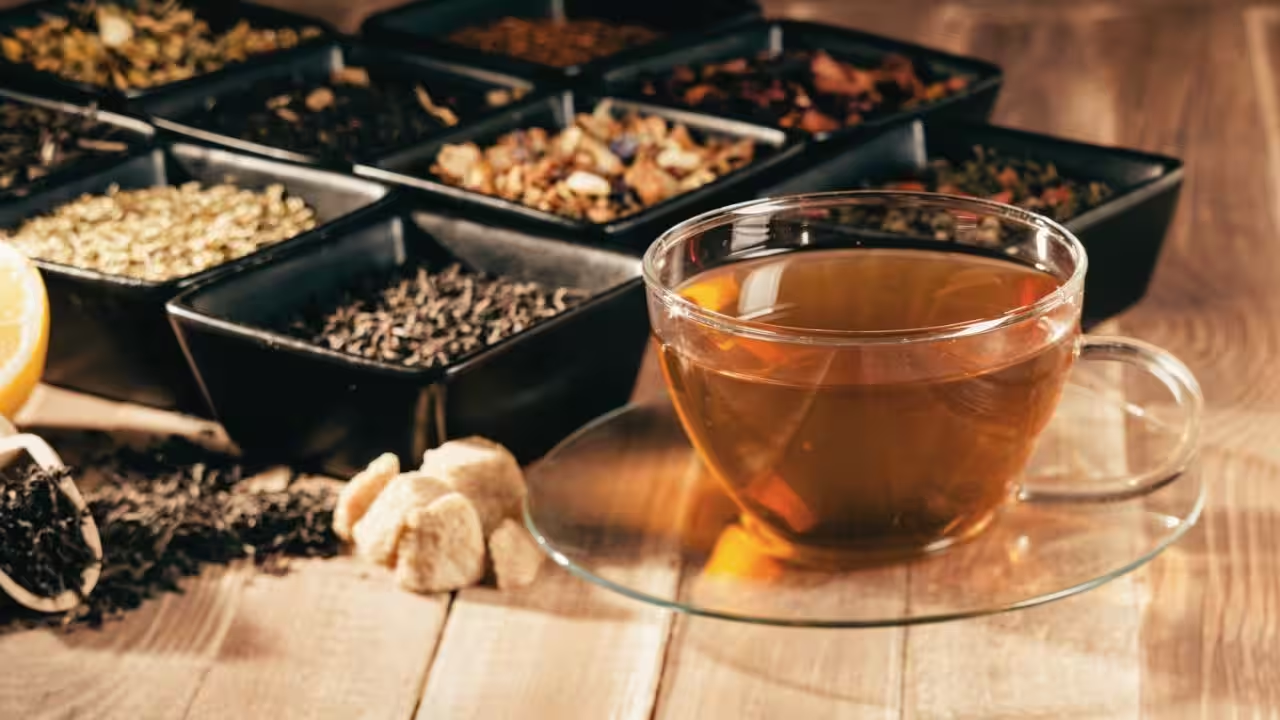
Tea is so woven into the fabric of Indian life that it’s easy to forget how recently chai became a national habit. India’s commercial tea industry began in the 1830s when the East India Company began to develop plantations in Assam in an effort to make Britain less dependent on Chinese tea. Tea was not a wholly new thing to the region. Assam had native tea plants well before the British. The British made tea cultivation a large scale commercial enterprise. From an export-driven industry at its beginning, it has become a part of Indian everyday culture. Indians have made tea their own, with milk, sugar, spices and myriad regional brewing traditions.Today the story of Indian tea is way beyond the familiar cuppa morning chai. From the floral delicacy of Darjeeling’s first flush to the malty strength of Assam’s black teas, and from the aromatic Nilgiris to the complex customs of Kashmiri kahwa, each cup is a unique interaction of geography, climate, cultivation and craft. Even teas grown from the same plant can develop remarkably different flavours depending on when leaves are plucked, how they are withered and rolled and the extent of oxidation they undergo.But to know tea, one must look beyond the cup and into the gardens where it begins. Why does the character of a Darjeeling tea change from 1st flush to 2nd flush? What makes some teas extremely rare and expensive? How do altitude, rainfall, soil and the choices of a tea maker influence aroma, colour and taste? And why can the same leaf make green, black, white and oolong tea?Rudra Chatterjee, Managing Director of Luxmi Tea, gives an insider’s perspective on these less-known sides of India’s tea industry. He turns to India’s tea-making heritage and the intricacies of tea-making to discover 10 distinctive expressions of tea, explaining what makes each variety special, how its character is developed and the traditions that have shaped India’s remarkable tea culture.1. Assam Black Tea: Strong and MaltyAssam’s tropical humidity and the Brahmaputra Valley’s fertile alluvial soils give its teas remarkable body and maltiness. The indigenous Camellia assamica helped establish the region as the world’s greatest tea-growing landscape. A fine orthodox Assam is rounded and complex, while a brisk CTC cup stands up beautifully to milk.2. Darjeeling Black Tea: Cloud in a CupDarjeeling’s spring first flush emerges after the tea bushes have spent winter in dormancy. Growth is slow in the cold, misty Himalayan conditions. Like delicate, slow cooking, first flush requires sensitivity from the tea maker to reveal its subtle bouquet. The cup is often light and floral in character, with greenish leaves interspersed throughout.As days grow longer and warmer, and the monsoons arrive, the second flush develops the celebrated muscatel character, reminiscent of ripe fruit. The same hillside produces dramatically different teas just weeks apart. Drink them without milk, appreciating how changing seasons find expression in the leaf.3. Nilgiri Blue Mountain Tea: The Fragrance of the SouthIn southern India, elevation and cooler weather produce teas valued for their lively aroma, clarity and smoothness. Nilgiri teas become especially fragrant during winter’s colder spells, when slower growth concentrates their character. Their bright, clean flavour makes them excellent both hot and chilled. They remind us that India’s tea story extends far beyond the northeastern mountains.4. White Tea: The Art of Doing LessWhite tea, including Bai Mu Dan, relies on restraint. Tender buds and leaves are withered and dried with minimal manipulation, preserving their delicacy. A good white tea suggests flowers and honey rather than the assertive tannins of black tea.The craftsmanship lies in knowing how little to intervene and in protecting fragile leaves from rough handling. Its subtlety is not for everybody. But on a quiet evening with a book, few cups offer a more contemplative pleasure.5. Silver Tips: When Cultivation Becomes PhilosophyThe silvery hairs covering young buds give Silver Tips its name. Developed at Makaibari in Darjeeling, Silver Tips is a handmade, lightly oxidised oolong produced in tiny quantities, with plucking timed around the full moon. The moonlight plucking reflects a biodynamic tradition, inspired by Rudolf Steiner’s philosophy of treating the farm as an interconnected living organism, attentive to natural rhythms. The resulting cup offers remarkable floral sweetness and delicacy. It is India’s most exclusive and expensive tea.6. Green Tea: A Different Treatment of the Same LeafGreen tea comes from the same plant as black tea. Its leaves are heated early to limit oxidation. Chinese-style pan-firing produces nutty, toasted flavours, while Japanese-style steaming preserves greener, more vegetal notes. Indian tea makers experiment with both approaches. Green tea also provides a canvas for scenting with jasmine flowers, whose fragrance is absorbed by the leaves. The combination illustrates how craftsmanship transforms a familiar leaf. Brew gently; boiling water can scald the tea and overwhelm its finer notes with bitterness.7. Oolong Tea: Between Two WorldsPartially oxidised oolong occupies a spectrum between green and black tea. Some examples are light and floral; others develop fruit, wood or toasted notes through oxidation and roasting. The tea maker’s judgement determines how far these transformations proceed. Repeated infusions reveal different dimensions of the same leaves.8. CTC Black Tea: How India Made Chai Its OwnThere is a delightful irony in India’s national drink. In the early twentieth century, British-backed campaigns promoted tea consumption through railway stalls, demonstrations and advertising. Brooke Bond Kora Dust advertisements became part of this culture. But Indians did not simply adopt the British cup. Households and street vendors transformed strong tea with milk, sugar, ginger, cardamom and other spices into something unmistakably Indian. Later, CTC (crush, tear and curl) processing made brisk, inexpensive tea widely available. Masala chai became a democratic ritual, crossing class, region and language.9. Kashmiri Kahwa: Tea as HospitalityKashmiri kahwa places tea within an older culture of hospitality. Green tea is infused with cardamom, cinnamon and sometimes saffron, then served with almonds. The result is less about the strength of the leaf than the harmony of fragrance, warmth and ceremony. In Kashmir, sharing kahwa is as meaningful as the drink itself. Tea traditions are shaped not only by plantations but by kitchens, gatherings and generations of hospitality.10. Chamomile Infusion: Beyond the Tea PlantChamomile is not technically tea: it comes from flowers rather than Camellia sinensis and is naturally caffeine-free. Yet its growing presence alongside tea reflects interest in botanical infusions and wellbeing. India has its own rich botanical traditions, including tulsi, ashwagandha and moringa, long associated with Ayurveda. These ingredients offer opportunities for new infusions and blends, connecting contemporary tastes with centuries of indigenous knowledge.A Leaf, Many LivesFrom Darjeeling’s misty hillsides to a bustling railway chai stall, India’s teas tell a story of adaptation. The plantation was shaped by empire, but the drink became a language of Indian hospitality, ingenuity and taste. A memorable cup is never simply the leaf. It is the meeting of landscape, craftsmanship and culture that celebrates the remarkable ability of a modest plant to become part of everyday life.You use AI every day. Now get your AI Quotient. Take the AIQ testGet the latest Lifestyle News and more. Download the TOI app.
Topics in this story
Gathered from external sources. Rights to this text belong to whoever originally published it.