In 1975, an Ohio couple collected 1,400 cans for a homemade solar furnace; sunlight warmed their home into the 70s, with oil heat used after the sun went down
Explore how an Ohio couple created a homemade solar furnace from 1,400 cans in 1975, reducing their reliance on oil heat and embracing solar energy during a time of energy crisis.
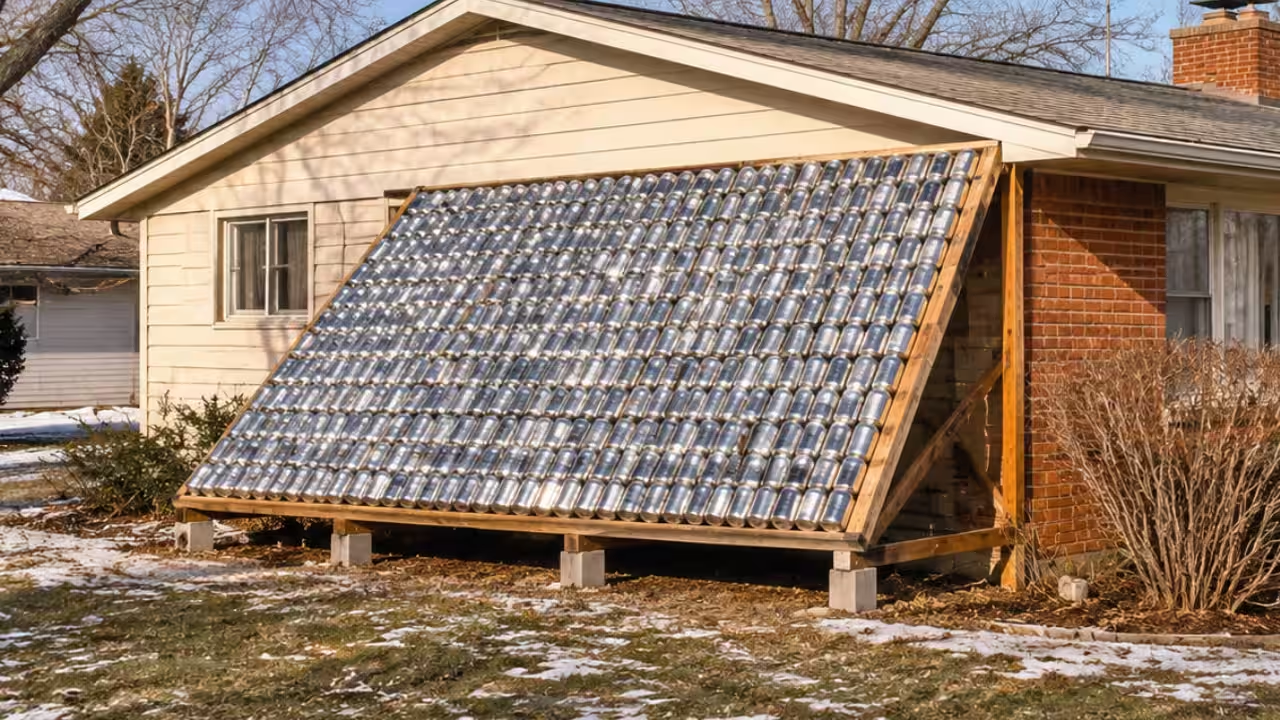
In 1975, an Ohio couple gathered 1,400 cans to build a homemade solar furnace. According to a 1977 issue of The Worldwide News, sunlight warmed their home into the 70s Fahrenheit, or about 21 degrees to 26 degrees Celsius. Oil heat was used only after sunset. It might sound like some quirky experiment, but it reflects a time when ordinary households were looking for ways to keep their homes warm without relying on oil alone.Why homes were turning to the sunThe mid-1970s saw some tense years for energy markets. Yale University's Energy History website explained how the oil prices of 1973 and 1974 led to the price of gasoline and crude oil quadrupling. This was a source of concern for the future of energy in the nation. Solar power was seen as one of the more promising solutions for the future since it could be produced and used at the scale of a single home. In this context, the couple’s decision to collect cans to harness solar energy was part of a wider search for new answers.Sunshine by day, oil after darkThe most interesting part of the couple's story was how practical it was. The sun warmed the house into the 70s, and oil heat was used only after the sun had gone down. The oil system was not completely abandoned; it was a reserve for when there was no sun. This kind of mix makes sense, as the sun can't heat a home in the dark. The homemade furnace didn’t have to do all the work alone. It could take over the daytime work while oil covered the rest.What NASA engineers found about solar heatingHome solar heating was also receiving attention from experts. A technical memorandum from NASA's Langley Research Center outlined a low-cost solar heating system designed to supplement a homeowner's existing warm-air heating system. Tests of a demonstration system indicated that a homeowner could save about 40% of the heating costs if they had a 1,500-square-foot home with insulation to the 1974 FHA minimum standards. The figure applies to NASA's design and not to the furnace owned by the Ohio couple. The memorandum also added that homeowners couldn’t just choose a solar heating system from stock at a local heating contractor. This gap may help explain why some households tried to build their own systems.Why one success story has limitsAn important note of caution came from Yale’s Energy History website. Despite the high hopes, it observed solar energy in the 1970s had critical limitations. Many solar technologies were still highly experimental, small in scale, and unconventional in design, so the Ohio couple's result was a hopeful example, not a guarantee. Sunlight, house size, and insulation all play a role in how well a heating system performs. So results from one home cannot be assumed for another.What the story still teachesToday, energy bills and climate worries are familiar topics for many young adults. So this story, more than 50 years later, still feels relevant. The couple saw an opportunity, gathered materials, and tried to find a practical solution. They also used oil heat after sunset instead of relying on the sun alone. The story shows how major changes in home heating can often begin with small experiments using something as simple as a can.You use AI every day. Now get your AI Quotient. Take the AIQ test.
Topics in this story
Gathered from external sources. Rights to this text belong to whoever originally published it.