A blind Memphis man spent 40 years collecting discarded shoes, carpet scraps and garden hoses to make strange figures for his vegetable garden; decades later, his unusual creations became part of four major US museum collections
In a residential backyard in Memphis, Tennessee, an unusual collection of figures gradually took shape.
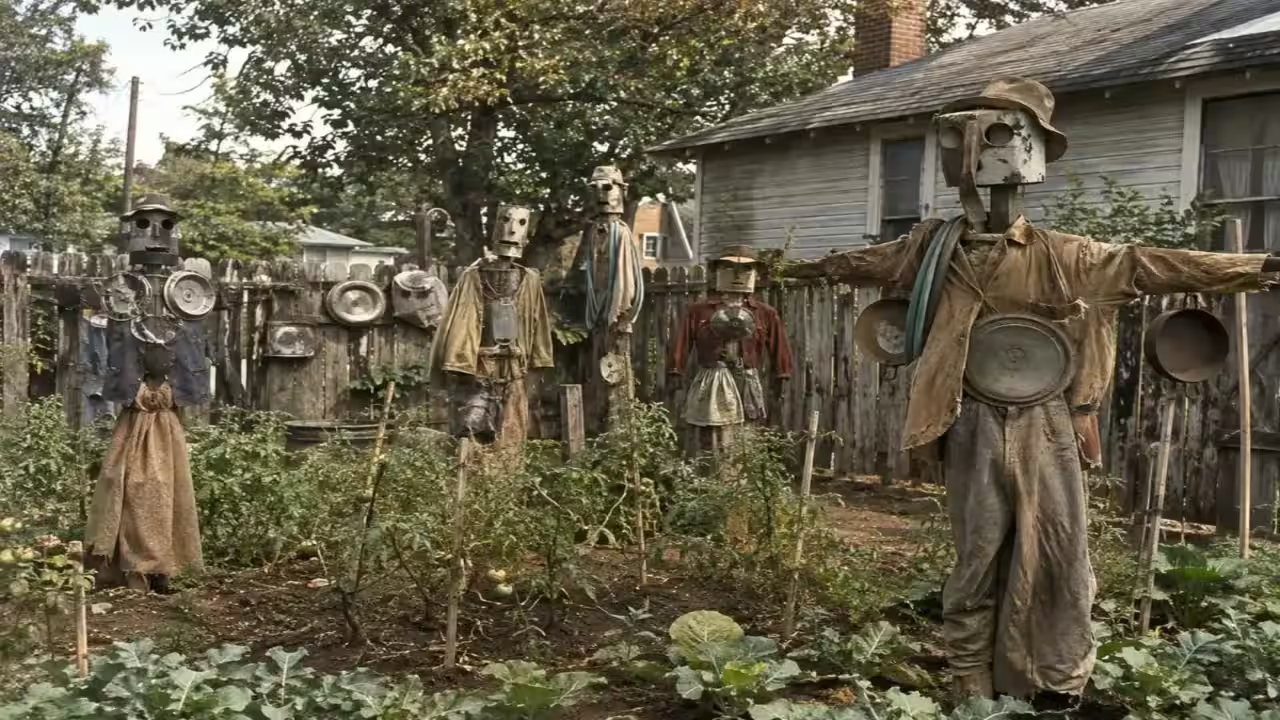
In a residential backyard in Memphis, Tennessee, an unusual collection of figures gradually took shape. Made from objects picked up from streets, alleyways and rubbish piles, the constructions were intended to serve a practical purpose: keeping birds and other pests away from vegetables. Their creator, Hawkins Bolden, returned to the task year after year, adding new figures to his garden and working with materials that most people would have thrown away. He did not set out to build an art collection or establish himself as an artist. Yet, decades after he began making them, his distinctive creations have found their way into some of the United States’ major museum collections.How a family vegetable garden sparked Bolden’s scarecrow creationsBolden's interest in making scarecrows began with his vegetable garden. He grew crops including okra, tomatoes, hot peppers and collard greens in the backyard of his family home. The produce helped feed his extended family, and maintaining the garden remained an important part of his daily life.The idea of putting up scarecrows came from a younger member of his family, who suggested that the figures could stop birds and other animals from damaging the crops. Bolden took the suggestion further than simply placing a few conventional scarecrows around the vegetable beds. He began assembling figures from whatever discarded materials he could find in the neighbourhood.Over time, the number of constructions increased. Before each growing season, he would add another set to the garden. Eventually, the figures became so numerous that they outnumbered the plants they were supposed to protect. What started as a way to safeguard vegetables developed into a long-running practice of collecting, assembling and arranging objects.Discarded everyday objects transformed into distinctive scarecrow figuresBolden worked with a wide assortment of materials, including discarded footwear, carpet pieces, garden hoses and other objects recovered from nearby streets and alleyways. Rather than following a fixed design, he combined these items into figures with faces and body-like forms.Many of his constructions had mask-like features. Holes served as eyes, while pieces of hose, shoe soles and strips of carpet became tongues, ears and other facial details. He used tools such as razors and saws to cut and shape the materials, giving each assembly its own arrangement of textures and shapes.Although the objects were made from unrelated pieces of rubbish, the finished figures shared a recognisable visual character. Their appearance varied, but the use of found materials and exaggerated facial features gave the collection a consistent identity.Bolden's work was also closely tied to the place where it was made. The materials came from the streets around his home, while the finished constructions were installed in the same backyard where he grew food. His practice continued for roughly four decades, with the garden serving as both the setting and the reason for making them.How a childhood accident left Bolden blind by the age of eightHawkins Bolden was born in 1914 in Bailey's Bottom, a neighbourhood in Memphis, Tennessee. He was an identical twin, and his brother was Monroe Bolden. The relationship between the two remained an important part of his life, and he often spoke about the bond they shared. When the boys were young, an accident occurred while they were playing baseball in a vacant lot. The incident involved his brother and resulted in Hawkins losing his sight. He became completely blind by the age of eight.This part of his life is frequently discussed alongside his later work, given the unusual circumstances in which he developed and maintained his practice. He continued making his constructions using materials that he collected and assembled, despite having lost his vision during childhood.However, his blindness is not the only context in which his work can be understood. The figures have also been recognised for their distinctive forms, repeated visual elements and use of everyday discarded objects. Their identity as a body of work rests on more than the personal circumstances of their maker.Four decades of making figures without calling himself an artistBolden did not describe himself as an artist. His constructions were made to serve a particular purpose in his garden, rather than as part of a formal artistic project. He was not working towards exhibitions or attempting to follow established ideas about sculpture. His output nevertheless developed into a substantial collection of figurative objects. The repeated use of particular materials, the attention given to facial details and the variety of forms distinguished the scarecrows from ordinary garden decorations.The objects also attracted attention beyond the neighbourhood where they were originally made. What had been assembled from unwanted household and street materials became part of a wider discussion about self-taught artists and the different ways in which creative work can emerge outside conventional art institutions.Bolden died in 2005, aged 91. By then, he had spent around 40 years making the figures that had gradually transformed his backyard into an unusual display of found-object constructions.How his backyard scarecrows gained recognition in the American art worldRecognition of Bolden's work continued after his death. His creations have entered the collections of several prominent American institutions, including the Smithsonian American Art Museum, the High Museum of Art, the de Young Museum and the Philadelphia Museum of Art. Their presence in these collections marks a considerable shift in how the objects are encountered. Originally made for a private family garden in Memphis, they are now preserved and presented within established museum settings.In May and June 2024, his work was also featured in an exhibition titled Totems at Shrine, an art gallery at 368 Broadway in New York City. The exhibition ran from May 17 to June 29, 2024, bringing a selection of his constructions to a gallery audience.The exhibition presented the figures as works with a recognisable visual language, rather than simply as functional objects made to keep birds away from vegetables. Their unusual combination of salvaged materials, sculptural forms and repeated facial motifs has helped establish Bolden's place among artists whose work developed outside formal training and traditional art-making environments.For decades, the figures had stood in the backyard for a straightforward reason. Their subsequent preservation in museums has given them a different setting, but their origins remain rooted in the Memphis garden where Bolden began making them.You use AI every day. Now get your AI Quotient. Take the AIQ test.
Topics in this story
Gathered from external sources. Rights to this text belong to whoever originally published it.