A 1997 cargo spill sent nearly 5 million LEGO pieces into the sea; more than 25 years later, Cornwall beachcombers were still finding the old sea-creature and pirate toys
Explore how a massive 1997 cargo spill continues to wash LEGO pieces ashore in Cornwall, revealing the long-lasting impact of plastic pollution on marine life.
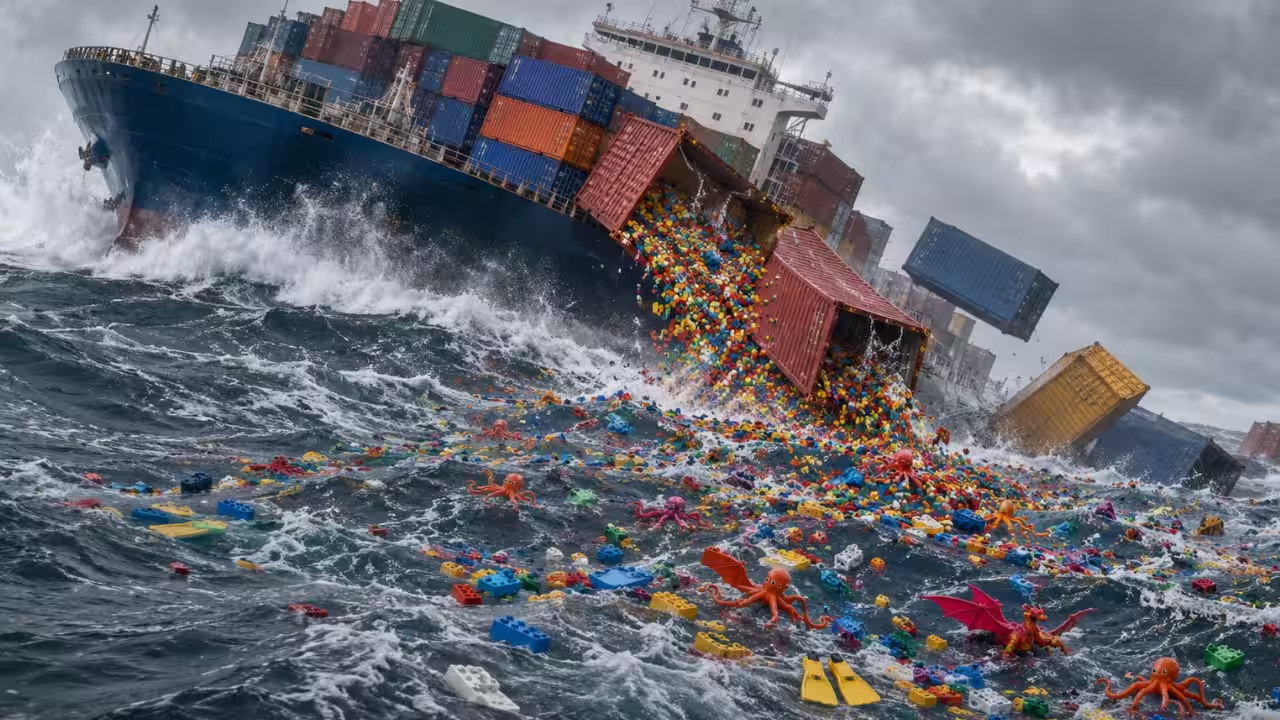
Cornwall in South West England is known for its coastline, but some beachcombers there have been finding more than shells. Decades after they were lost at sea, tiny plastic octopuses, divers, flippers and other LEGO pieces keep washing up on the sand. A University of Plymouth study published in 2020 estimated a LEGO brick could take between 100 and 1,300 years to decompose in the ocean. The pieces are a small, colourful reminder of how long plastics can last once they reach the water.The day a rogue wave hit the Tokio ExpressOn 13 February 1997, a cargo ship named Tokio Express was travelling from Rotterdam in the Netherlands to New York. About 20 miles from the shore, an unexpected 20-foot wave tipped the ship. In total, there were 62 containers that fell off into the sea. The ship was carrying 4,756,940 LEGO pieces and, ironically, most of the kits were themed around sea creatures. Other lost cargo included 10,000 disposable lighters, super glue and other dangerous chemicals. This incident came to be known as the Great LEGO Spill.The beachcombers who keep finding the toysSince the spill, collectors have been searching for rare items such as octopuses and green dragons. Tracey Williams, a Cornwall beachcomber and environmental campaigner, has been documenting the spill for years on the LEGO Lost at Sea Facebook, Instagram and X. She has also written a book, Adrift: The Curious Tale of LEGO Lost at Sea. Little plastic flowers and mini divers’ flippers are frequently seen on the shore. According to a 2014 BBC report, 3,178,807 of the 4,756,940 pieces on board were light enough to float. Those are the most common items found on 40 beaches in Cornwall. In 2017, a local resident, Rob Arnold, and 12 other volunteers collected about 6 million pieces of microplastic from a beach near his home. Two decades after the ship tipped, they found 240 LEGO divers’ flippers among the plastic.What the research foundThe Plymouth paper, titled ‘Weathering and persistence of plastic in the marine environment: Lessons from LEGO,’ was published in Environmental Pollution in 2020, and Tracey Williams is one of its authors. The team compared 50 washed-up bricks donated by beach cleaners in Cornwall with 50 identical bricks which had never left their boxes. They used X-ray fluorescence to analyse the chemical makeup of the plastic.Depending on the brick, the researchers estimated full breakdown could take anywhere from 100 to 1,300 years. Each brick that was washed up was assumed to have been lost around the time it was purchased, and so the figures are estimates rather than precise dates. In comments to Live Science, Williams said that the pieces that sank, as well as those that floated, give insight into how far plastic drifts both on the surface and along the seabed. It also sheds light on what happens as it breaks down.Why a toy spill still mattersPlastic can last in the sea for hundreds of years. As it breaks down, it can release chemicals that may affect the reproductive system of animals. The International Union for Conservation of Nature (IUCN) says at least 14 million tons of plastic enter the ocean every year, and it accounts for 80% of all marine debris from surface waters to the deep-sea sediments. The same IUCN brief notes that marine species often eat plastic debris or get tangled in it, causing injuries and death. At the upper end of the study’s estimates, a brick could last for 1,300 years, so the spill’s effects may remain for future generations.You use AI every day. Now get your AI Quotient. Take the AIQ test.
Topics in this story
Gathered from external sources. Rights to this text belong to whoever originally published it.