Mumbai gets its first nuclear science school at HSNC University
HSNC University launches Mumbai’s first School of Nuclear Science and Technology, offering BSc/MSc and partnering with BARC, DAE, AERB and IAEA.
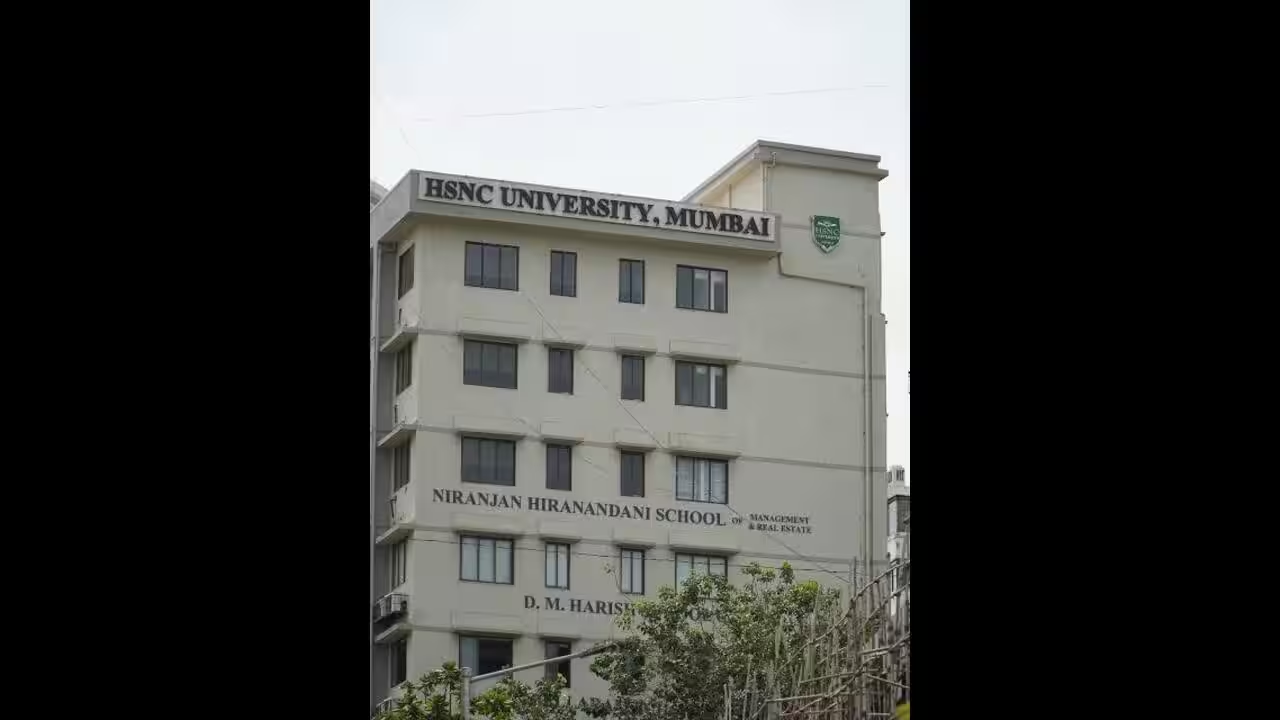
Mumbai: For the atomic capital of India, Mumbai, it was a significant nuclear leap on Thursday.During the inauguration of the Indian Nuclear Society conference at HSNC University in Worli, Mumbai’s first School of Nuclear Science and Technology of the six-year-old university went “critical.’’In layman’s parlance, going “critical’’ means it has started to function in phases.Speaking to TOI, university vice-chancellor Hemlata Bagla said that the new school will offer BSc and MSc courses and help in training professionals. It will go a long way in strengthening scientific foundation, opening new opportunities when there is a great deal of interest currently in the nuclear sector,’’ she stated.“We already have a nuclear radiochemistry department at KC College which was established on October 10, 1997. Now we are going further into the radiochemistry department,’’ she said.The new school will collaborate with BARC, Department of Atomic Energy, Atomic Energy Regulatory Board and other nuclear establishments around the city.According to her, the school will also seek collaboration with global bodies like the International Atomic Energy Agency (IAEA).In his presidential address, former chairperson of Atomic Energy Commission, Anil Kakodkar, said that the 100 GW Nuclear Energy Mission was an ambitious one and right now it was only the beginning.We need to access energy which is three or four times more than what it is today to improve the quality of life and the only source is nuclear,’’ he told the large gathering of nuclear scientists, educationists and students gathered at the university.The former Indian nuke chief emphasised the important role played by uranium.He said that the Shanti Act passed in December 2025 allowed R&D, the development of different types of reactors like micro reactors and fusion reactors involving the participation of a large number of people.According to Kakodkar, for a smooth implementation of the Act, an intermediary agency has to be involved like the Indian Nuclear Society helping in important areas like capacity building and certification.Mumbai: Mumbai marked a significant step in its nuclear education landscape on Thursday with the launch of HSNC University’s School of Nuclear Science and Technology, the city’s first such school.The announcement was made during the inauguration of the Indian Nuclear Society conference at HSNC University in Worli. In nuclear terminology, the school has “gone critical,” meaning it has begun functioning in phases.Speaking to TOI, HSNC University vice-chancellor Hemlata Bagla said the new school will offer BSc and MSc programmes and help train professionals for the nuclear sector.“It will go a long way in strengthening the scientific foundation and opening new opportunities at a time when there is growing interest in the nuclear sector,” Bagla said.She said the university already has a nuclear radiochemistry department at KC College, established on October 10, 1997, and that the new school represents a further expansion of this academic foundation.The school will collaborate with leading nuclear institutions in and around Mumbai, including Bhabha Atomic Research Centre, Department of Atomic Energy, Atomic Energy Regulatory Board and other related establishments.Bagla said the school will also explore collaborations with international organisations such as the International Atomic Energy Agency.In his presidential address, former Atomic Energy Commission chairperson Anil Kakodkar described the 100 GW Nuclear Energy Mission as an ambitious initiative, adding that the country was still at the beginning of this journey.“We need to access energy three or four times greater than what is available today to improve the quality of life, and the only source capable of meeting that demand is nuclear,” he told a large gathering of nuclear scientists, educationists and students at the university.Kakodkar also underlined the importance of uranium in India’s nuclear energy programme.Referring to the Shanti Act, passed in December 2025, he said it enabled research and development in different reactor technologies, including micro reactors and fusion reactors, with wider participation.He said the smooth implementation of the Act would require the involvement of an intermediary agency such as the Indian Nuclear Society, particularly in areas such as capacity building and certification.Kakodkar added that the Society must expand its role beyond public outreach and contribute more actively to the development of India’s nuclear ecosystem.You Can Also Check: Gold Rate in Mumbai | Silver Rate in Mumbai | Bank Holidays in Mumbai | Public Holidays in Mumbai | Mumbai AQI | Weather in Mumbai | Petrol Price in Mumbai | Diesel Price in Mumbai | CNG Price in Mumbai | LPG Price in MumbaiStay updated with the latest Mumbai news. Download the TOI App.
Topics in this story
Gathered from external sources. Rights to this text belong to whoever originally published it.