Gujarat ATS arrests suspected Jaish-e-Mohammed terrorist in Vadodara, recovers rifle and ammunition
NEW DELHI: The Gujarat Anti-Terrorism Squad (ATS) has arrested a suspected Jaish-e-Mohammed (JeM) operative from Vadodara and recovered a rifle and more
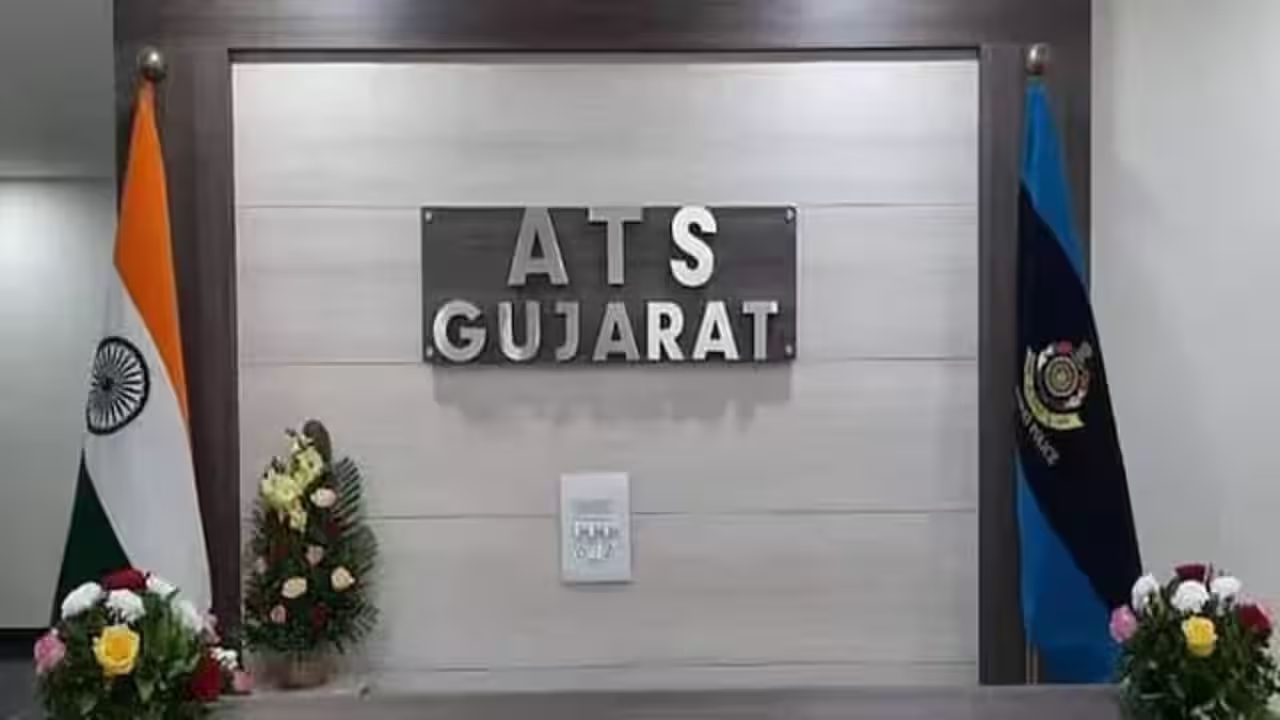
NEW DELHI: The Gujarat Anti-Terrorism Squad (ATS) has arrested a suspected Jaish-e-Mohammed (JeM) operative from Vadodara and recovered a rifle and more than 20 live cartridges from his possession, an ATS official said on Friday.The arrested accused has been identified as Md Saharul Islam, a resident of Assam, according to the official. A major operation by the ATS is currently underway, with further details awaited.The arrest comes amid heightened security operations against Pakistan-linked terror networks, particularly in Jammu and Kashmir, where security agencies are tracking an estimated 65 Pakistani terrorists operating across the Union Territory.Hunt on for 65 Pakistani terrorists in Jammu and KashmirAccording to officials in the security establishment, the presence of around 65 foreign terrorists has been confirmed through inputs from multiple intelligence agencies. Of these, 35 are believed to be affiliated with Lashkar-e-Taiba (LeT), 25 with Jaish-e-Mohammed, while the remaining operatives are linked to other banned terror outfits.The latest assessment comes days after the killing of Lateef Bhat, described by security officials as the last known active local terrorist in the Kashmir Valley. He was killed in an encounter with security forces in Jammu and Kashmir's Kulgam district on November 18, following an eight-day search operation.Officials said the estimated number of active terrorists in the Union Territory has declined from 91 in 2024, which included both foreign and local militants, to around 65 at present, comprising only Pakistani nationals.The security agencies are monitoring the presence of these foreign terrorists in districts including Poonch, Rajouri, Kishtwar and Doda, particularly in remote areas with dense forests and mountainous terrain. Officials said the figures are based on assessments by multiple agencies and may fluctuate as terrorists frequently change locations.Security agencies intensify operationsThe changing security landscape in Jammu and Kashmir follows a sustained decline in the number of active local militants. However, officials said Pakistan-origin terrorists continue to operate in parts of the Jammu region, making counter-infiltration operations and intelligence gathering a priority.Addressing the passing-out parade of probationary deputy superintendents of police, sub-inspectors and assistant directors of the Forest Protection Force at the Sher-i-Kashmir Police Academy in Udhampur on November 18, Lieutenant Governor Manoj Sinha expressed confidence that Jammu and Kashmir would soon become terror-free. He also asserted that only a handful of foreign terrorists remained in the Union Territory.Security agencies have been conducting multi-agency operations based on intelligence inputs to track and neutralise these operatives. Earlier this year, security forces neutralised all seven members of a Jaish-e-Mohammed group led by Saifullah in Kishtwar.The group had infiltrated in April 2024 and was eliminated through a series of operations culminating on February 22 in the Chatroo area under Operation Trashi-I.Terrorist numbers decline over the yearsAccording to the available data, 135 terrorists were active in Jammu and Kashmir in 2022, including 85 foreign terrorists and 50 local militants. The number subsequently declined by nearly 48 in 2023, according to the figures provided.The reduction has been attributed to intensified counter-terrorism operations targeting active militants and their support networks.Despite the decline in local militant numbers, security agencies continue to focus on preventing cross-border infiltration, identifying logistical networks and tracking foreign terrorists operating in remote parts of the Union Territory.Get the latest India News and Live updates. Download the TOI app.
Topics in this story
Gathered from external sources. Rights to this text belong to whoever originally published it.