The Memo: Trump’s midterm convention presents GOP candidates with stark dilemma
The Trump-centric Republican midterm convention that kicks off Wednesday in Dallas is putting GOP candidates in a tight spot. On one hand, there are clear arguments in favor of attending the convention and wrapping themselves metaphorically in President Trump’s flag. Most GOP candidates want Trump’s backing and his blessing. He said last week he is…
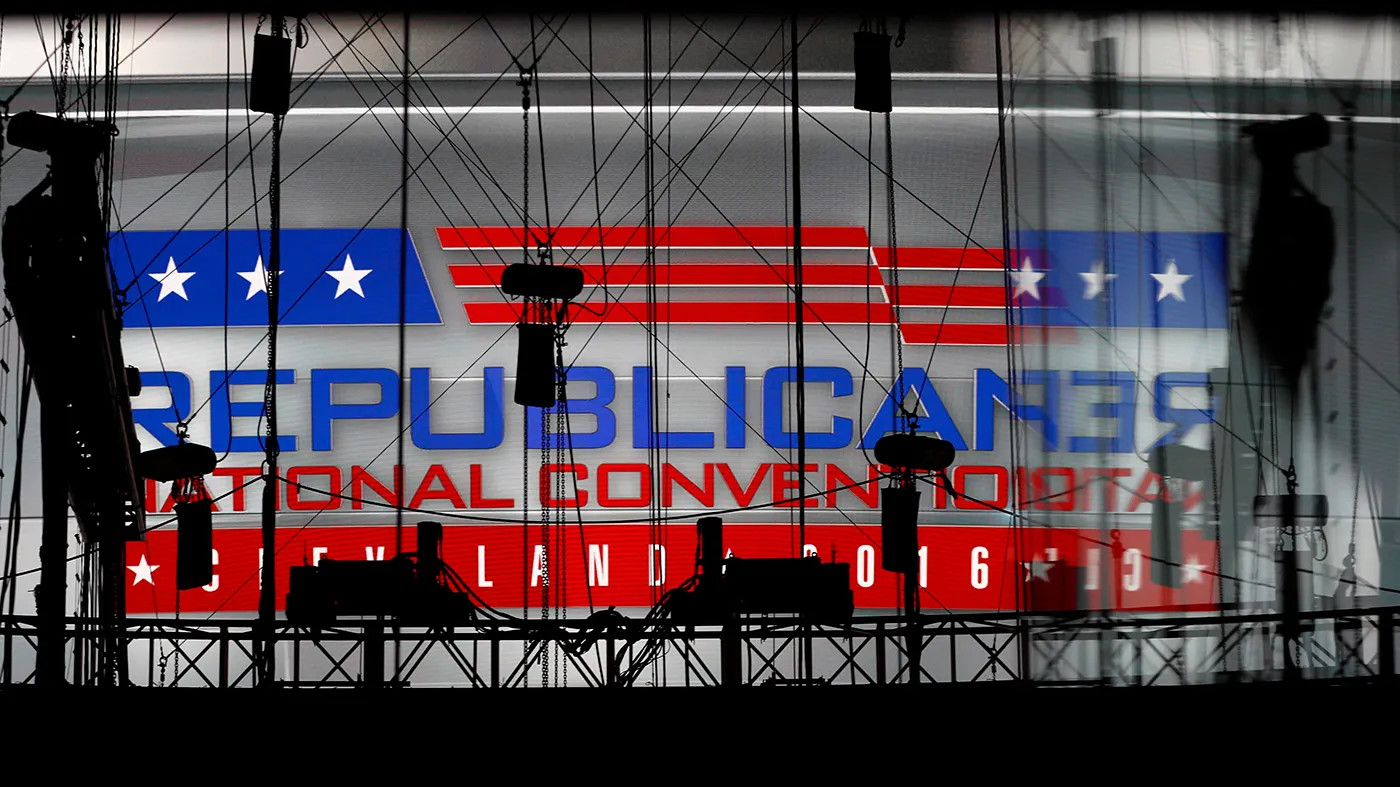
The Trump-centric Republican midterm convention that kicks off Wednesday in Dallas is putting GOP candidates in a tight spot.
On one hand, there are clear arguments in favor of attending the convention and wrapping themselves metaphorically in President Trump’s flag.
Most GOP candidates want Trump’s backing and his blessing. He said last week he is willing to spend between $400 million and $500 million from his political operation on the midterms. So, he plainly has the muscle to make a huge difference in tight races — or to decline to do so.
Trump also commands a far stronger allegiance than anyone else among the GOP’s base voters. Therefore, Republican candidates feeling antsy about turnout — and keenly aware of how fired up anti-Trump voters appear to be — are looking for a MAGA boost from the president and his convention.
But there is a wholly different case to be made.
Many Republican candidates are expected to stay away from the Dallas event, albeit often citing scheduling conflicts rather than overt Trump skepticism.
The reality that underpins such calculations: Candidates who tie themselves closely to Trump risk a major downside when it comes to appealing to voters in the center ground.
Trump is roughly 20 points underwater in terms of his job approval in the polling averages. He fares even worse than that on key issues like the cost of living, the economy and the war on Iran.
In the most recent Economist/YouGov poll , approval of Trump among Republican and Democratic partisans broke down predictably. But among independents, 71 percent disapproved of his performance and just 22 percent approved.
“Trump is an absolute albatross for Republicans running in tight races because he promised to focus on the economy and keep us out of foreign wars and the exact opposite has happened,” a senior Republican strategist told The Hill’s Alexander Bolton.
The should-I-stay-or-should-I-go argument has nuances, to be sure.
Some Republican insiders contend that the negatives of the association with Trump are unavoidable, regardless of whether candidates make public professions of closeness to, or distance from, the president.
Therefore, they say, the convention only offers upside, since it could energize GOP base voters who otherwise may give the elections a pass.
“Democrats are going to turn out,” GOP strategist Alex Conant warned. “Democratic enthusiasm is off the charts.”
For Republicans, Conant added, “We are going to be OK if we can turn out the base, and nobody turns out the base better than Donald Trump. There have been some polls showing some softness of Republican enthusiasm, and Trump can help unite the party.”
The president will certainly have a platform to try to do that.
He will speak on both nights of the convention. Vice President Vance is the headline speaker on the second night.
Theoretically, the event will give Trump and his staunchest allies the chance to make a positive case for him — and hope such an argument lifts Republican candidates more broadly.
These challenges don’t begin and end with Trump’s low approval ratings or polarizing personality, however.
They also encompass the fact that his ratings are lowest on the issue — cost of living — that most voters rank as their most important.
Meanwhile, the news agenda is mostly dominated by the war on Iran and an escalating trade war with Canada. Neither is popular with voters.
This does not, in itself, doom Republican candidates to defeat. But it leaves many strategists thinking the party needs to be disciplined and focused in its messaging in Dallas. Those are qualities that even some Trump fans would acknowledge are not his strengths.
Texas-based GOP strategist Brendan Steinhauser said he was confident Vance would “be very on-message and deliver good lines and well thought-out rhetoric.”
But he was, by implication, much less sure about Trump.
“Hopefully the president is on his game and thinking not just about the base but about independent voters and swing voters around the country. Whatever rhetoric he uses will get picked up around the country,” he said.
Steinhauser further argued that the importance of message discipline was especially paramount because of the salience of the cost of living issue — and the fine needle Republicans need to thread on it.
“That’s something we do not have a great message on,” he acknowledged. “That’s because when you’re the party in power, you either have to say, ‘Things aren’t that bad,’ which nobody believes; or, ‘Elect us and things will be better,’ but you’re already in power. The alternative is to say, ‘Elect the socialists and things will be even worse.’”
Trump, who regularly hits out against purported radicalism among his opponents, can be expected to make that argument, of course.
But will it be enough? Democrats insist it will not.
James Carville, in a newly posted clip from his podcast, cited Trump’s advocacy of AI and his views on the Iran war as evidence of the damage the president might cause to his party.
“The only answer that I can come up with that explains the current behavior of Donald Trump is simply this: He wants the Republicans to lose. He hates them. He wants to torture them,” Carville said.
The Memo is a reported column by Niall Stanage.
Topics in this story
Gathered from external sources. Rights to this text belong to whoever originally published it.