The House must turn the screws on Putin
The House of Representatives faces the decision to pass the Lindsey O. Graham Sanctioning Russia and Iran Act, which would authorize the Trump administration to impose tariffs on nations importing Russian energy to help Ukraine prepare for a potentially deadly winter.
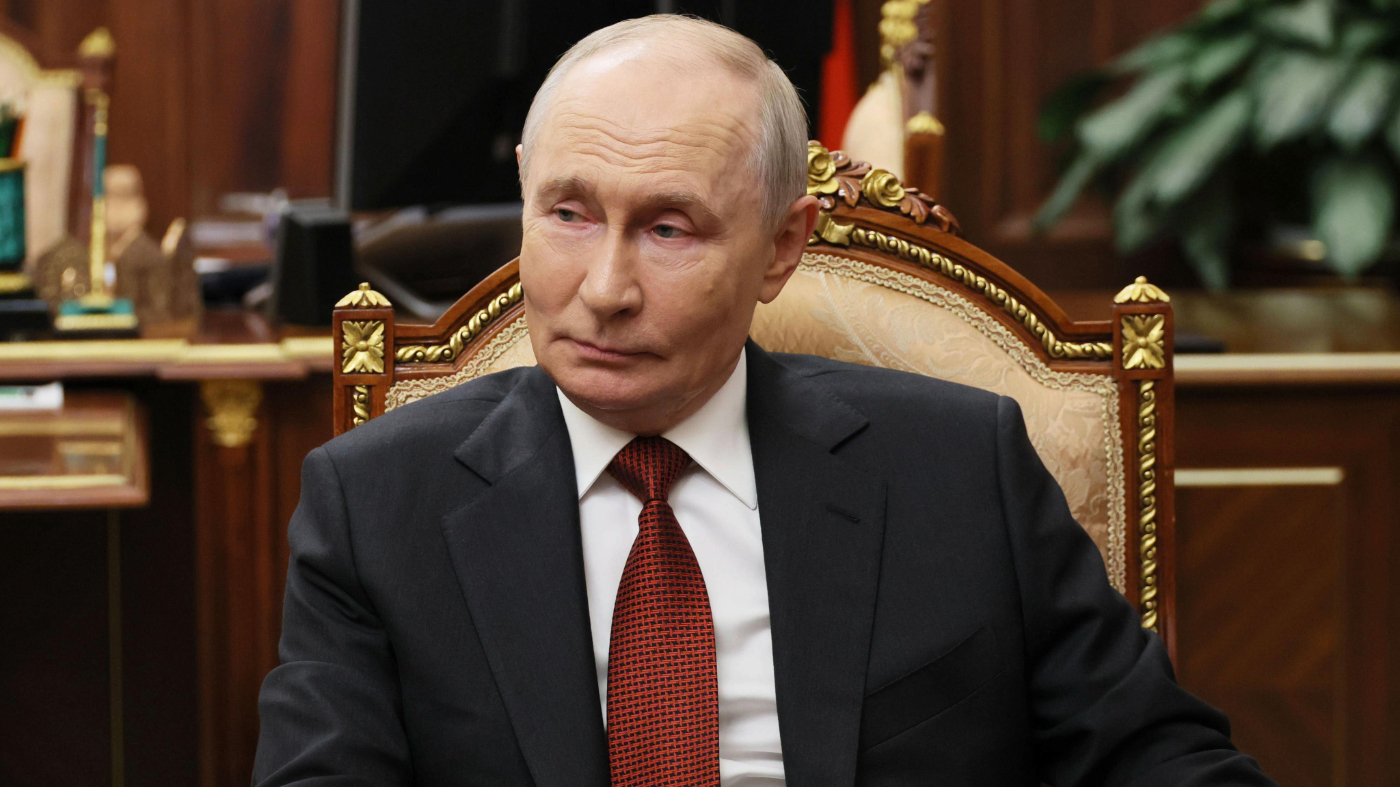
Russia’s full-scale invasion of Ukraine is now in its fifth year. Although Ukraine is taking the fight to Moscow, striking deep inside Russia and slowly retaking territory, Russian President Vladimir Putin has not shown any willingness to end the war. Instead, Russia is intensifying its attacks on Ukrainian civilians.
In July and August, Ukraine suffered its highest monthly civilian casualty tolls since March 2022, driven largely by Russia’s escalating missile and drone attacks on Ukrainian population centers. With air-defense interceptors in short supply globally, Ukraine has fewer options to protect its population from this aerial onslaught.
Winter is approaching, and Ukraine could once again face a humanitarian crisis. Russia routinely targets energy grids and other critical infrastructure necessary to keep the lights and heat on. If Russia continues its aerial campaign, Ukrainians may face the deadliest winter of the war.
Putin’s calculation is straightforward: He believes Russia can sustain the war longer than Ukraine and the West can resist it. Changing Putin’s calculation requires raising the economic cost of continuing Russia’s aggression and depriving Moscow of the resources it needs to fight.
Congress has the opportunity to apply that pressure now. The bipartisan, bicameral Lindsey O. Graham Sanctioning Russia and Iran Act, which passed the Senate in August overwhelmingly 86-11, offers Congress its strongest opportunity to tighten the economic screws on Putin. This legislation has been painstakingly negotiated for more than a year, and the House of Representatives now has the opportunity to send it to the president’s desk.
The bill would impose severe sanctions on Putin and other Russian political and military officials, financial institutions, energy projects, state-owned enterprises, shadow fleet, and Russia’s defense industrial base. These measures would constrain Russia’s ability to finance and replenish its military. The bill includes the toughest congressionally imposed sanctions on Russia in years, and would arrive at a pivotal time in the war.
Throughout this war, countries around the world, namely China and India, have continued purchasing Russian crude oil and natural gas, providing Russia billions in revenue. In July 2026 alone, Russian fuel exports raised almost $800 million per day.
Despite efforts under two U.S. administrations, diplomatic pressure has failed to persuade Russia’s largest customers to stop financing Putin’s war. This legislation would give the United States additional leverage by authorizing the Trump administration to impose tariffs of up to 100 percent on the top five importers of Russian natural gas and Russian crude oil and the top five nations responsible for supporting Russian sanctions evasion.
These targeted tariffs are designed to compel countries to stop fueling Russia’s war. The tariffs are not indiscriminate, only targeting the five largest importers of oil and gas. And even among the top five gas importers, the bill exempts countries responsible for less than 15 percent of Russia’s total natural gas exports if they are taking significant steps to reduce their imports. This gives governments a clear path to avoid the penalties by moving away from Russian gas.
As the two largest importers of Russian energy, China and India are in the immediate crosshairs of this bill. Other nations could also face tariffs unless they reduce their reliance on Russian gas. The European Union, despite remaining a significant importer of Russian energy, would not be subject to tariffs as a whole. The EU strongly supports this legislation.
Some House Democrats are objecting to giving the president additional tariff authority. That concern deserves consideration. But Congress must weigh it against the alternative.
Five years of diplomacy have failed to persuade Russia’s largest energy customers to stop providing Moscow with a financial lifeline. Directly sanctioning major economies for purchasing Russian energy could carry even greater consequences for the global financial system. Targeted tariffs offer another means of forcing governments to choose between duty-free access to the American market and continued support for Russia’s war economy.
The Ukrainian people are strong, brave and resilient. They have effectively fought off the second largest army in the world for more than four years and are now bringing the fight to Russian territory.
They are now preparing for the most difficult winter of the war. Congress has a responsibility to support them. The Senate did its job. Now it is the House’s turn.
Bakari Sellers is an attorney, a political analyst on CNN, and served as a Democrat in the South Carolina House of Representatives from 2006 to 2014.
Topics in this story
Gathered from external sources. Rights to this text belong to whoever originally published it.