What is voter roll-off and could it play a role in who wins the election this year?
When the votes are finally tallied at the end of an election, it’s normal to see the total number of votes cast in the races at the top of the ticket are slightly higher compared to the races at the bottom. It’s known as voter roll-off.
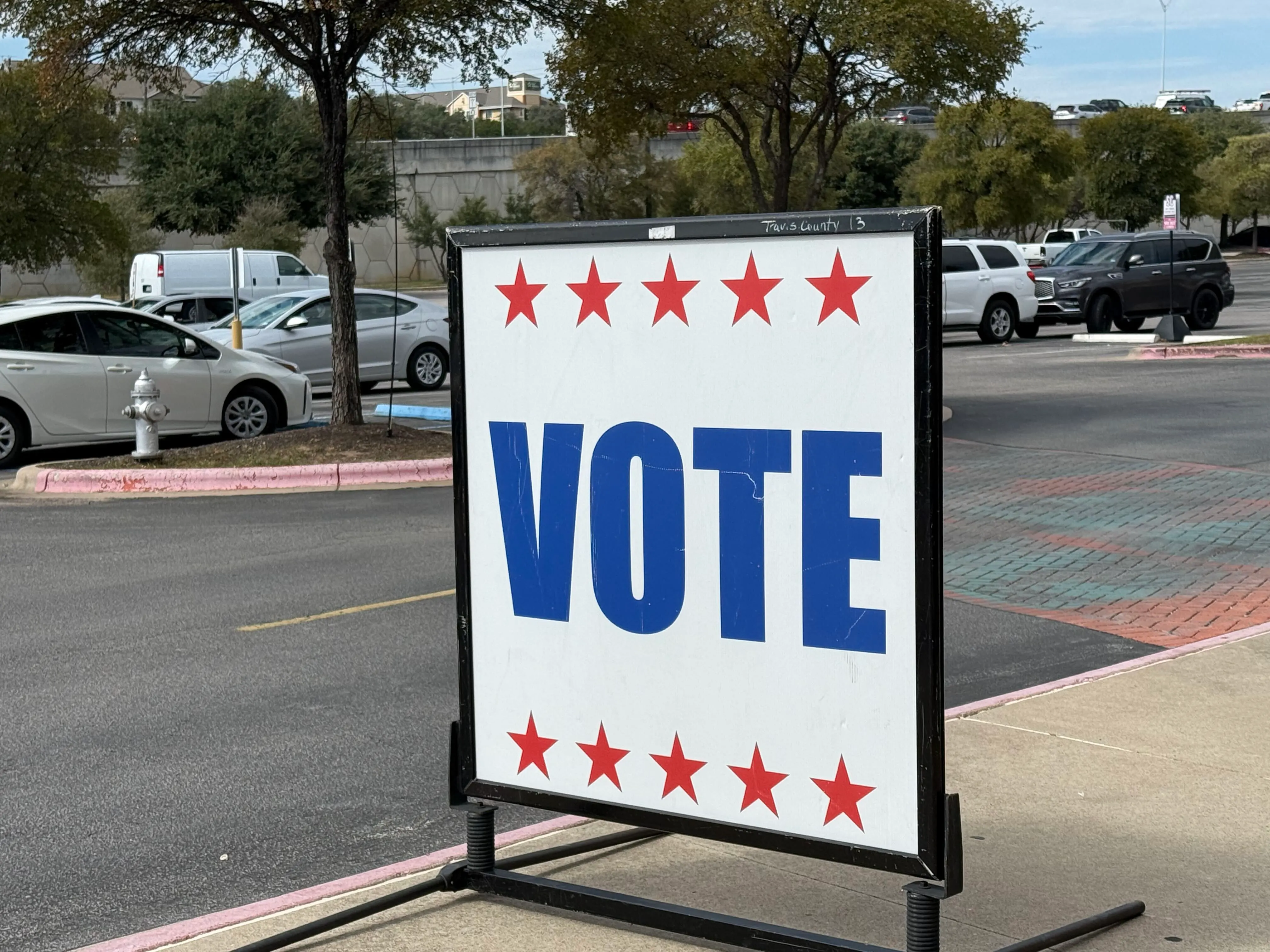
AUSTIN (Nexstar) — When the votes are finally tallied at the end of an election, it’s normal to see the total number of votes cast in the races at the top of the ticket are slightly higher compared to the races at the bottom. It’s known as voter roll-off.
Mark Jones, a fellow in political science at Rice University’s Baker Institute for Public Policy, said you normally see voter roll-off as a top-down flow on the ballot.
“As people get to the lower races on the ballot, they tend to stop voting,” Jones explained. “It gets really bad often when they get to county level offices or judicial offices at the district or county level, because they don’t know who these candidates are and they stop voting.”
Almost everybody will know the top of the ticket races on their ballot. Those include the race for U.S. Senate between Democrat James Talarico and Republican Ken Paxton; the gubernatorial race between Democrat Gina Hinojosa and Republican Greg Abbott; and to some extent, the race for Lt. Governor between Democrat Vikki Goodwin and Republican Dan Patrick.
But as voters start making their way down the statewide ballot, they will likely not know every candidate running for offices like Land Commissioner, Railroad Commissioner, or even Attorney General. And there are polls to back this up.
The University of Houston Hobby School of Public Affairs released a poll of 2,000 likely voters last week. The poll found that at least 50% of those likely voters did not know enough about 10 statewide candidates to have a negative or positive opinion about them.
Nathan Johnson is a Democratic state senator who is running to be the next Attorney General of Texas. The poll found that 71% of people did not know enough about him, and 50% did not know enough about his opponent, Mayes Middleton, who is also a state senator.
Dawn Buckingham is a former Republican state senator and the current Land Commissioner of Texas who oversees roughly 13 million acres of public land in the Lone Star State. But the poll found 73% of people do not know enough about her, and 78% do not know enough about her opponent, Benjamin Flores.
Jones said the numbers jump to the 80%-90% range when people are asked about judicial offices. It’s regularly so high that Jones said he and his team have stopped asking people about their opinions on judicial candidates.
Some people decide to leave areas of the ballot blank when they do not know the candidates, but others will still cast a vote on important positions when they know very little of the candidates or their policies. Jones said the decision is mostly based off partisan politics.
“If a voter who gets to say the Office of Land Commissioner and has no idea who the candidates are, they tend to revert to their partisanship because one piece of information that is on the ballot, even if they don’t know who these candidates are, is if they are a Republican, a Democrat or a Libertarian,” Jones explained.
In past elections in Texas, voter roll-off did not play a pivotal role in determining the outcome of the race. Voter roll-off usually accounts for a 1%-2% drop-off in votes, and the margin of victories in past midterm elections were much higher. Take a look at the past two midterm cycles:
But Jones believes voter roll-off could be a factor this election cycle because of how competitive the races are up and down the ballot.
“It’s quite possible in some of the down-ballot races — say for Railroad Commissioner in particular, which is I think the second most competitive race after the US Senate — that there you can see roll-off making the difference between victory and defeat for one of the two candidates,” Jones explained.
The UH poll from last week has French with a 2 point advantage over Rosenthal with still 10% of likely voters undecided in that race.
Jones also believes this year we may see a smaller vote count at the top of the ticket in the U.S. Senate race if some Republican voters decide not to cast a vote because of their dislike for Ken Paxton.
Gathered from external sources. Rights to this text belong to whoever originally published it.