White House teleprompter operator who placed bets on Trump’s speeches ordered to pay $172K
The White House teleprompter operator who placed online bets on President Trump’s speeches has been ordered to pay a total of $172,000, a federal agency said Friday. The Commodity Futures Trading Commission (CFTC) said in a news release that Gabriel Perez must pay out his profits from trade, totaling $107,539.02, in addition to a civil…
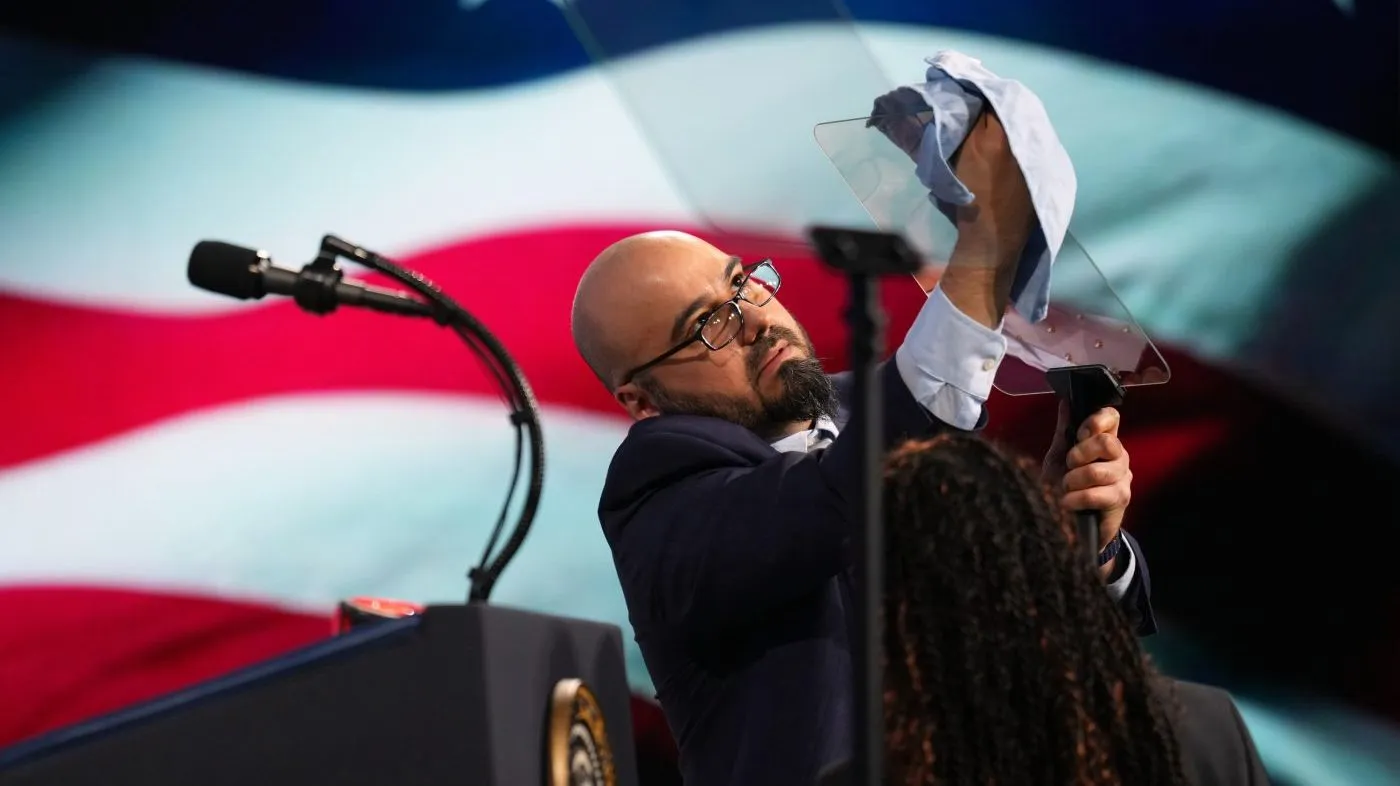
The White House teleprompter operator who placed online bets on President Trump’s speeches has been ordered to pay a total of $172,000, a federal agency said Friday.
The Commodity Futures Trading Commission (CFTC) said in a news release that Gabriel Perez must pay out his profits from trade, totaling $107,539.02, in addition to a civil monetary penalty of $65,000.
The White House suspended Perez from his role last month after online prediction market platform Kalshi flagged suspicious trades to federal regulators linked to the teleprompter operator.
A White House official confirmed to The Hill at the end of July that Perez was no longer employed in the federal government.
White House press secretary Karoline Leavitt said last month the president was informed of the situation and “believes it is deeply unfortunate and, frankly, a disgrace.” Perez had worked for the president since 2016.
Perez is accused of using his knowledge of the content of Trump’s speeches to make trades in presidential mention markets, generating over $100,000 from these bets between December 2025 and February 2026.
Mention markets allow users to place bets on whether someone will say a specific word or phrase, such as country names, general political topics or campaign phrases.
The CFTC said Perez has been banned from making trades on prediction markets for three years.
Robert DeNault, the head of enforcement and legal counsel at Kalshi, responded to the CFTC’s penalties in a statement on Friday evening.
“It doesn’t matter who you are: violate our rules or federal law and you will face the consequences,” DeNault wrote on social media .
Prediction markets have come under heightened scrutiny in the past year over insider trading concerns.
In April, a U.S. Army soldier was charged for using his knowledge of the top-secret operation to capture Venezuelan President Nicolás Maduro to place bets on Polymarket. He allegedly made a profit of over $400,000 on these trades.
Kalshi and Polymarket have introduced new guardrails this year to crack down on insider trading on their platforms. Kalshi now prevents politicians, athletes and other groups from placing bets in certain markets. Polymarket updated its rules to make clear that it bans trades based on confidential information.
Topics in this story
Gathered from external sources. Rights to this text belong to whoever originally published it.