Ozempic users may face protein, vitamin D deficiencies, experts warn
As GLP-1 drugs help people eat less, doctors are increasingly concerned about what patients may be missing nutritionally.
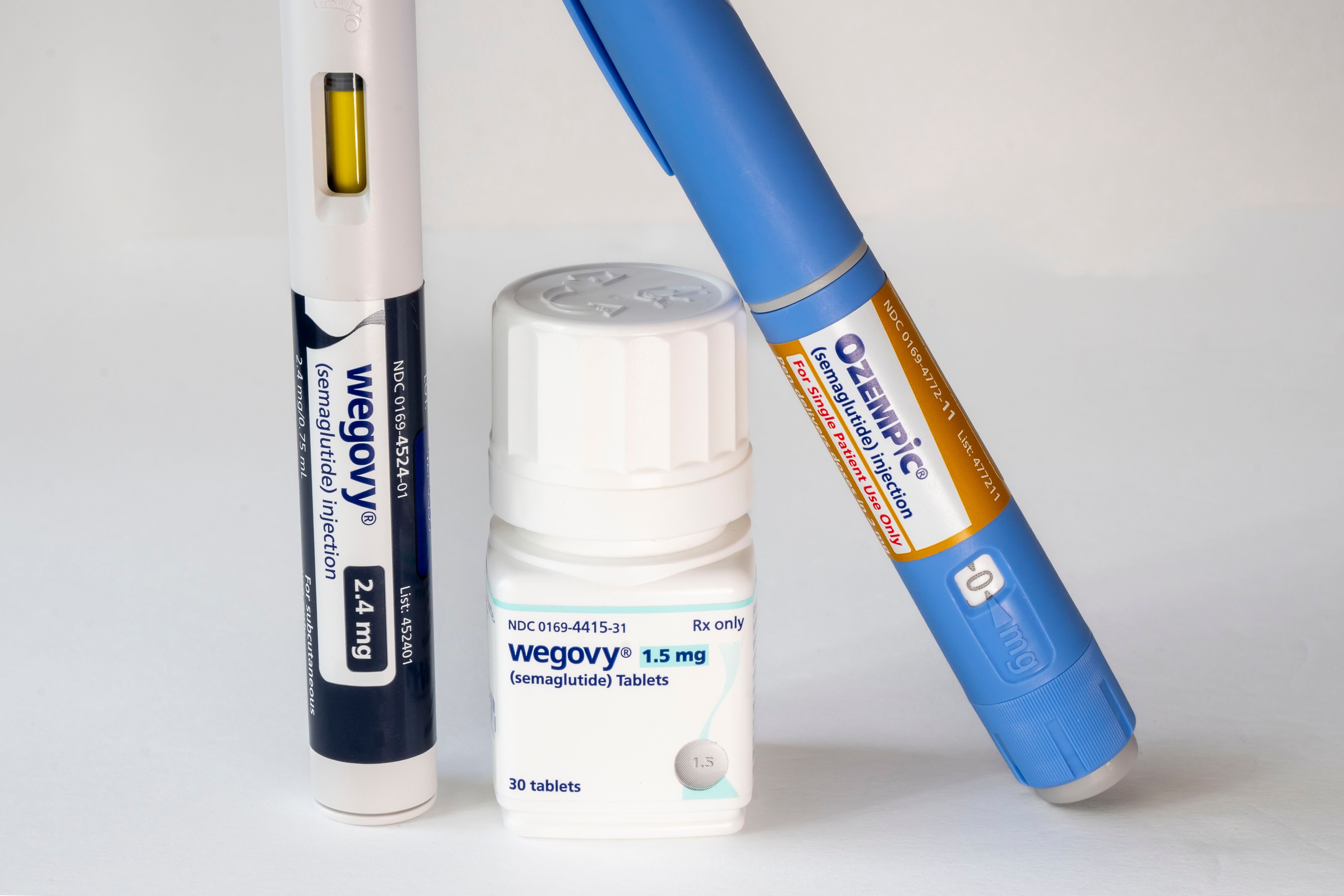
( NewsNation ) — Patients prescribed Ozempic and other GLP-1 medications may be at risk for nutritional deficiencies, according to recent studies.
Because GLP-1 medications help people lose weight by reducing appetite and slowing digestion, patients often eat less, increasing the risk of nutrient gaps and prompting concern among doctors and nutrition researchers.
Research points to several common areas of concern, including protein, fiber, vitamin B12, vitamin D, electrolytes, and nutrients vital for maintaining healthy muscle mass and connective tissue.
Am I likely to be protein deficient on Ozempic?
An obesity study found that 43% of GLP-1 users consumed inadequate amounts of protein during a trial period.
Experts at the University of Cambridge have expressed concern that people prescribed newer weight-loss medications may not be receiving proper nutritional guidance to support healthy weight loss.
A research review found that GLP-1 users consume 16% to 39% fewer calories than those taking a placebo.
Given their decreased calorie intake, users can have difficulty getting enough protein and micronutrients in their diets.
Doctors recommend consulting a registered dietitian nutritionist to help improve diet quality.
The Academy of Nutrition and Dietetics maintains a database of nutrition professionals , allowing people to search by insurance, location and specialty.
Research suggests GLP-1 users are most likely to experience vitamin D deficiencies. A large-scale study found that 13.6% of participants were affected.
Another recent study, published in the journal Childhood Obesity, found vitamin D deficiency was the most common deficiency among children taking GLP-1 medications, affecting 12.4% of participants after one year of treatment.
Gathered from external sources. Rights to this text belong to whoever originally published it.