Biggest Changes and Differences - The Legend of Zelda: Ocarina of Time Remake Guide - IGN
The Legend of Zelda: Ocarina of Time Remake isn’t a simple one-to-one remaster. Recreating this iconic adventure in a full-blown remake means there have
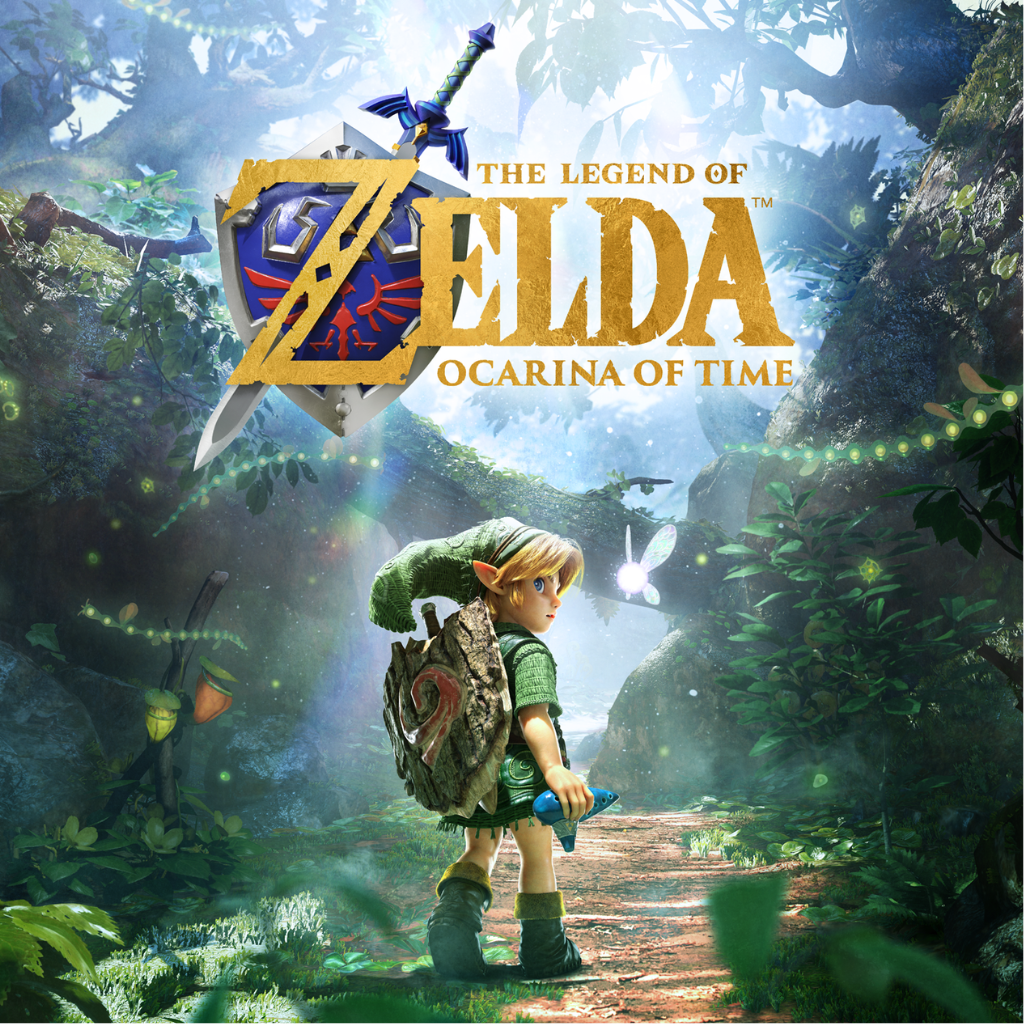
The Legend of Zelda: Ocarina of Time Remake isn’t a simple one-to-one remaster. Recreating this iconic adventure in a full-blown remake means there have been plenty of changes big and small to the overall experience. After going through the game ourselves, we’ve taken the time to catalog the biggest changes we’ve found.
Of course, there will be spoilers for the original Ocarina of Time in this video, as well as some spoilers for this remake as well! So let this be your courtesy spoiler warning to tune out now if you wish to discover many of these for yourself.
In the previous versions of the game, there were four Empty Bottles to find across Hyrule. Three as a child, and one as an Adult. Now, there’s a brand new fifth bottle, intended to be the new first one you come across, and can be obtained upon your very first visit to Hyrule Castle Town, by completing a short side-quest in the Potion Shop.
Another brand new item to be found in this remake is the Business Scrub Seed. This seed allows Link to instantly summon a Business Scrub, from which he can buy some items, such as a Red Potion, Five Deku Nuts, or Five Bombs. These can be helpful if you ever run out of items in a dungeon, for example. They’re generally found in dungeon treasure chests too, giving you the opportunity to shop within them. You may also find them in grottos.
The Items Menu is now divided into three sections. Items exclusively for Young Link in the upper left, exclusively for Adult Link in the upper right, and then items that both can use. Some items have also been moved to the Equipment Menu, such as the Lens of Truth and the Ocarina. These now get used via the D-Pad, rather than the primary item button. The Lens of Truth has also been redesigned as the Lenses of Truth, and are worn as a pair of goggles on Link’s head. Additionally, the quick-select menu on a single horizontal line is back from games like Tears of the Kingdom and Echoes of Wisdom, as a way to quickly change your active item, rather than having to open the pause menu repeatedly.
The original game had three wallets: the initial one holding 99 rupees, the Adult Wallet holding 200, and the Giant’s Wallet holding 500. But now, wallets have grown in size! The starting wallet in the game holds 200 rupees, the Adult’s Wallet holds 500 rupees, and the Giant’s Wallet now holds 1,000 rupees. This increase in wallet capacity is also directly complimented by the game giving more reason to spend your rupees, even making rupee donations a requirement when visiting the Great Fairies for the first time, much like in Breath of the Wild and Tears of the Kingdom.
In previous versions, you could obtain a strange stone or shard of agony that would help indicate secrets hidden nearby. Now that grotto entrances are easier to spot, you’ll instead be able to gain the Echo Gem. This item can be equipped to alert you if a golden skulltula is lurking nearby, and will flash both on your HUD and link’s outfit when you get close.
The game’s inventory isn’t the only thing to get a major overhaul. You’ll now find maps of both the regions and Hyrule overall to be more comprehensive and easier to read. This includes the ability to see both how many heart pieces and golden skultullas you’ve uncovered in a given area, and also reveal icons on the map where you’ve claimed them. Other points of interest show up as well, such as icons for different shops, minigames, fairy fountains, and more.
It may go without saying, but this isn’t a simple HD remaster with a fresh coat of paint. This version of Ocarina of Time is a complete remake with a whole new artstyle. Everything looks very high fidelity, and much more detailed than any previous version of this game. There are new animations, flashy visuals, and a beautiful world to explore.
This version of the game has modern camera controls! You can use the right stick to spin the camera around, unlike the original or 3DS versions. Gyro controls can be used to aim certain weapons, like the 3DS version, but this time around these items are aimed in third person, placing the camera over Link’s shoulder, rather than in first person. You can even move while aiming the items this time around, too! The updated camera controls also mean locales like Hyrule Castle Town no longer have a fixed camera perspective, and can be explored with full camera controls.
This version of the game features voice acting for many of the cutscenes! Not every line of dialogue is voiced across the entire game, though many characters still make sounds. It’s comparable to Breath of the Wild and Tears of the Kingdom, where certain cutscenes were fully voiced.
In the previous versions of Ocarina of Time, Link would automatically jump when approaching a ledge. Now, rather than that, he has a dedicated jump button, allowing Link to jump at any time.
Link also now has the ability to sprint. Rather than repeatedly rolling around everywhere, which you can still do, holding down the roll button now lets Link dash to move more quickly. And since there is no stamina system in this game, he can keep running for as long as you want! This also extends to the ability to rapidly leap quickly while climbing, or dashing forward while swimming, which can be rapidly spammed to reach your destination quickly.
Many areas of the game have received changes in their layouts and overall looks. While the general structures are the same, any muscle-memory for this game may leave you noticing the small differences. Lon Lon Ranch for example is now integrated within Hyrule Field, looking more like a ranch in the middle of the plains, rather than a large, tall structure with a separate loading zone. And thanks to the previously mentioned mechanical changes of jumping and sprinting, some puzzles in different areas have changed as well.
Getting the Kokiri Sword in Kokiri Forest for example, rather than being a puzzle about moving the camera with Z-targeting to see around corners, is now about teaching the player to time their jumps to reach the chest on an isolated platform.
Despite redesigning some of the geography, there are still some loading screens between major areas of the game, to preserve the feeling of the original game. But many loading zones were also removed. In addition to the previously mentioned Lon Lon Ranch, houses can now be entered as part of their overall areas, and not broken up by loading. The entirety of Hyrule Castle Town, including the entrance, market, and back alleys, buildings and shops, and even the Temple of Time, are all in one loading zone. Lake Hylia is also directly connected to Hyrule Field now, with no loading screen between the two!
Time no longer stands still when in towns and other specific locations. After your first meeting with Princess Zelda, day will turn to night and back to day even when in towns, villages, and more. The music even changes in many of these areas based on the time of day, meaning you’ll get to hear some awesome different arrangements of several iconic themes. This also means that you can follow NPC behaviors based on the time of day, as many will change what they're doing or where they spend their time as the day progresses.
The entire game has been rewritten, with many lines from the original game being updated and redone. Many NPCs now have more thought-out reactions to their surroundings and events of the game. Even The Great Deku Tree speaks more plainly than in the original. In fact, you may find Navi is less likely to constantly chime in on what to do next, giving other characters room to impart their wisdom. The first meeting between Link and Navi is written differently too, where in the original she says “can Hyrule’s destiny really depend on such a lazy boy?” when he’s slow to wake up, now she says “what could the Great Deku Tree want with this sleepyhead?” Beyond these changes, various characters now also have much more expanded dialogue trees. This is particularly noticeable in Hyrule Castle Town, such as when you ask the first guard by the entrance about the town, he has a lot more to say compared to the original game.
A brand new addition to this game is the Hall of Fallen Foes, a new area to look at various enemies found across Hyrule, as well as rematch the different bosses. Any main dungeon boss or miniboss can be rematched here, and the game tracks your best time. There’s a boss rush for all three of Child Link’s bosses, a boss rush for all of Adult Link’s dungeon bosses, and the “Trial of the Hero of Time” which only unlocks after beating the game. This Trial pits Link against every dungeon boss in the game in order, starting with only 6 hearts. Link has to spend rupees earned through the battle on items, upgrades, and weapons. Each of these boss rushes reward you with an owl statue trophy in Link’s house in Kokiri Forest!
The Threads of Time are a new addition to the game found in the menu, and are effectively the game’s quest log, keeping track of your quests and progress through the game, with some added pretty visual flair. You can even find this tapestry in Hyrule Castle! In the garden where you meet Princess Zelda for the first time, you can peer through the window at an angle to catch a far-away glimpse at the full tapestry. In the original game, this was where you could see the easter egg paintings of Mario characters from Super Mario 64. While that means this easter egg is no longer here in the remake of Ocarina of Time, it does play into the idea of destiny and prophecy, which the Zelda series is no stranger to.
The original Ocarina of Time featured hidden holes you could uncover leading to small grottos full of treasures. These areas have been redesigned in the remake, and can more easily be spotted by the small bombable stone circles in the ground, or strange plants that need a bit of wind to reveal their secrets.
Some structural and puzzle changes have been made to Ocarina of Time’s dungeons. The first door in the Forest Temple is locked – meaning you can’t leave without finding a key that a lot of players missed in the original. The Water Temple has two fewer keys, Inside Lord Jabbu Jabbu’s Belly’s hallways have been condensed into a central hub room, and other tweaks that alter the flow of these dungeons can be seen throughout the game.
If you step into the volcanic Death Mountain Crater without the proper gear equipped, Link’s tunic will catch on fire and you’ll start taking damage. This is a change from the original, where a timer would indicate how long he could survive the heat. Now, it’s more in line with Breath of the Wild’s systems and reactions.
Alternate Dialogue for Changing the Order!
Ocarina of Time is mostly linear, but there are a few things you can do out of order. One of those is acquiring the Lenses of Truth before you’re told they exist. If you grab them before completing the Water Temple, you’ll get a secret piece of dialogue. Sheik will tell you where to find this special item you need to beat the Shadow Temple, before realizing you already have them. Ocarina is always one step ahead.
In the original, you could get stranded in Hyrule Field overnight after the drawbridge into Castle Town shut to keep the monsters out. Now, the drawbridge remains open all the time, so you can come and go as you please. And, you can no longer climb the chains on the side of the drawbridge, which used to lead to a good amount of rupees.
You may notice bright, squiggly lines on walls throughout Hyrule. These are thoughts left behind by fairies that are a completely new addition in the remake. Playing the correct Ocarina song in front of them can fully heal Link, while some of the Fairy Thoughts are actually tied into two newly relocated Pieces of Heart.
Topics in this story
Gathered from external sources. Rights to this text belong to whoever originally published it.