Snap tries to make the case again for its $2,200 smart glasses | TechCrunch
Since Specs' debut earlier this year, Snap has clearly been looking for an opportunity to explain why the smart glasses deserve to exist.
Sunday, October 11, 2026
1,414 stories
Since Specs' debut earlier this year, Snap has clearly been looking for an opportunity to explain why the smart glasses deserve to exist.
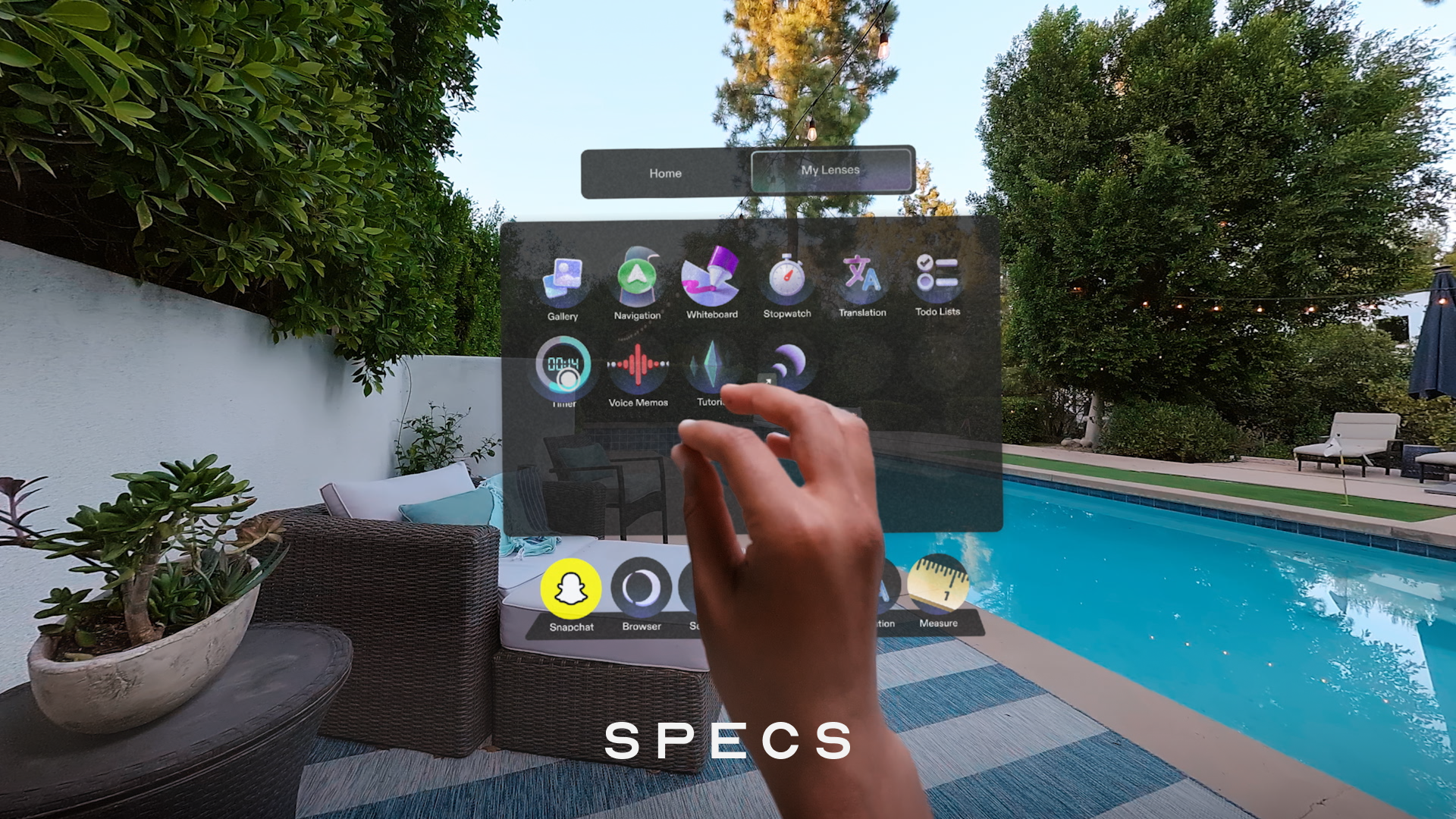
The Verge tried Snap’s Specs AR glasses at the company’s headquarters, and they’re strange glasses with weird ideas.
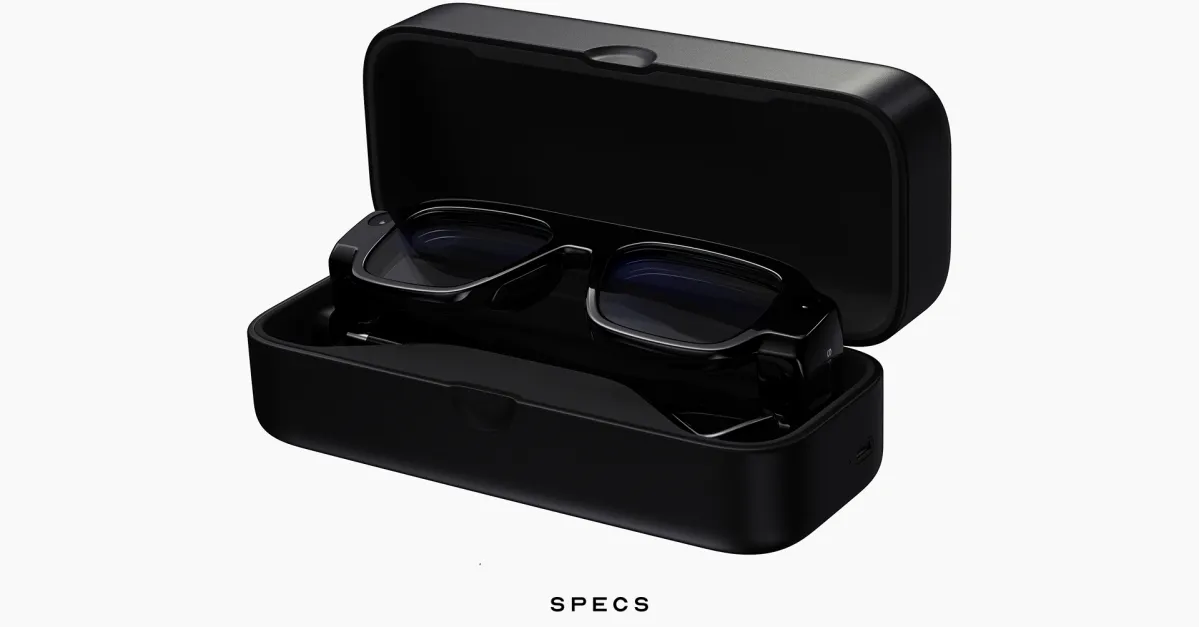
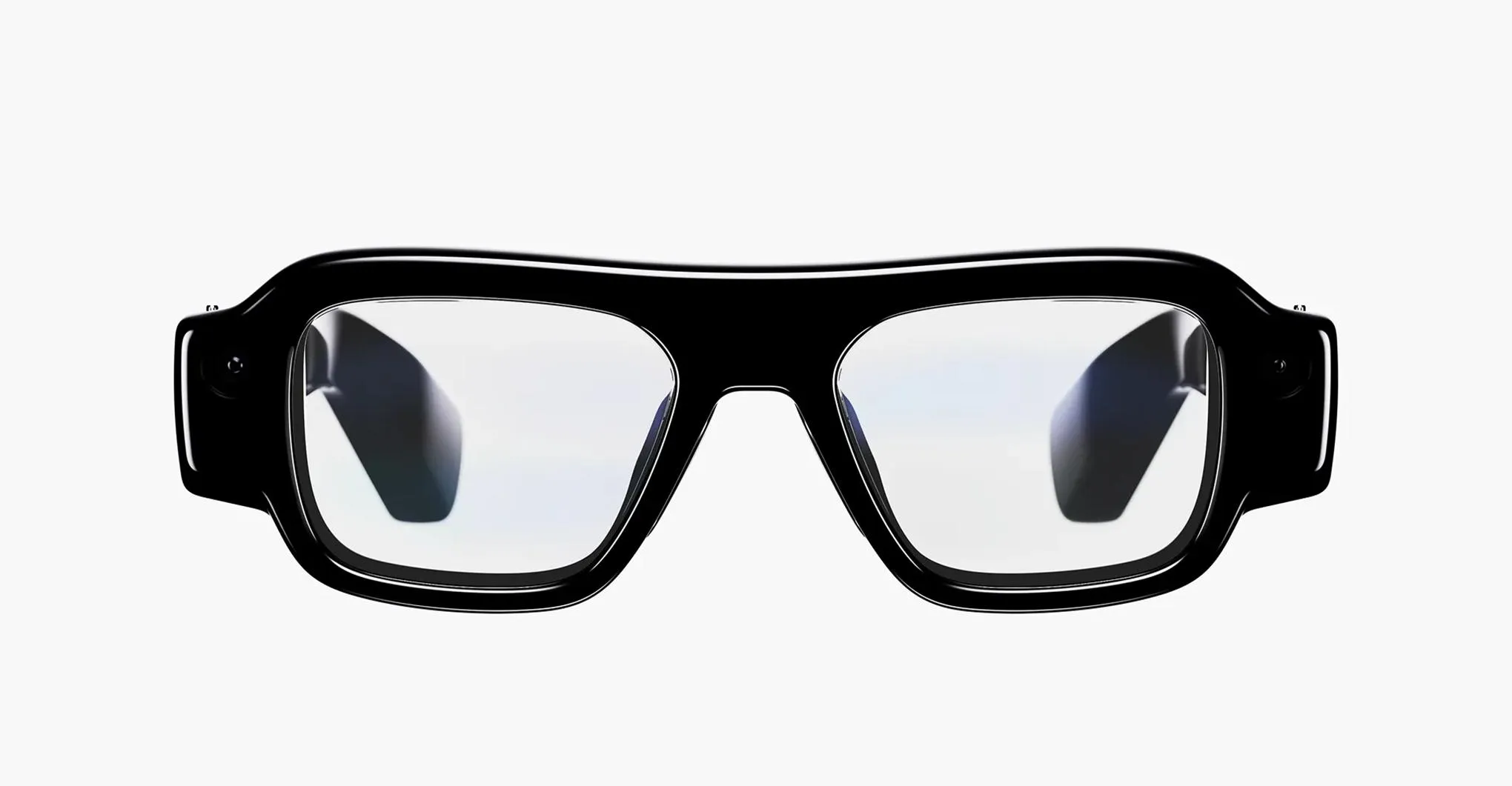
The case, available as part of a bundle for $2,395 (a $200 increase over the Specs on their own), gives you an option to more easily get internet while wearing the Specs. In the US, Snap is working with Verizon to offer data plans and financing options. [Image: The Snap Specs case. https://platform.theverge.com/wp-content/uploads/sites/2/2026/09/SPECS26_Case_3-4_View.png?quality=90&strip=all]
The “SPECS First Look” opens at Westfield Century City in LA on October 1st, where you can “experience SPECS in person, meet members of the team, and check out what we’re building,” Snap says. Meta has also used pop-up shops as a way to show off its hardware.
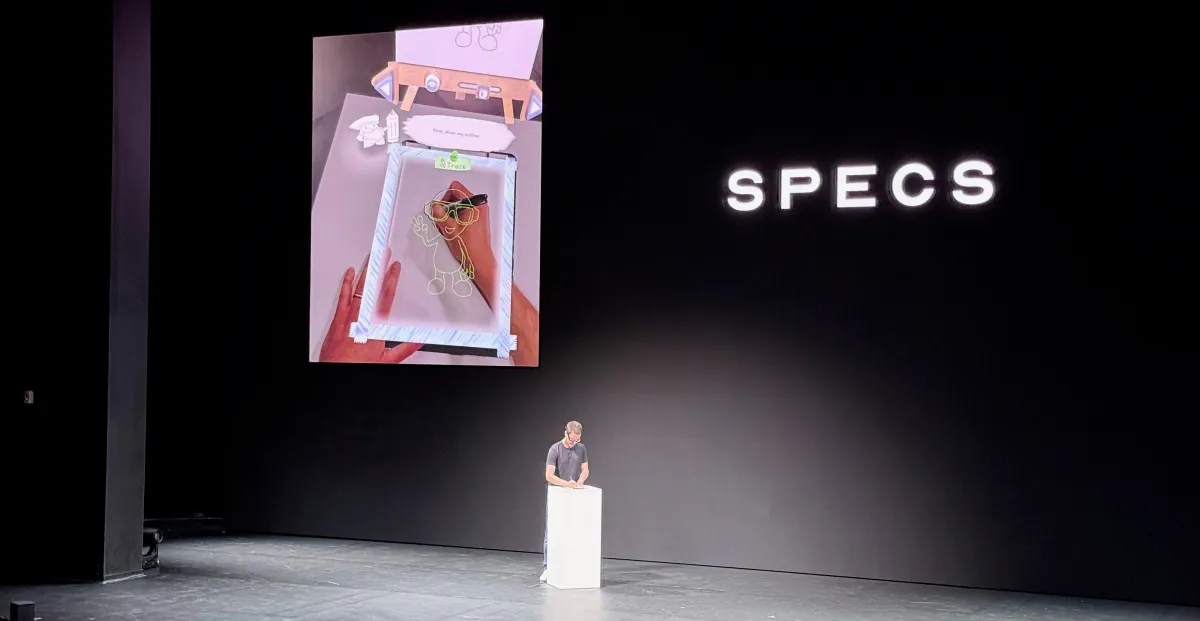
After a brief interlude about how Specs can work in enterprise environments, Spiegel is pitching how Specs can help you learn things. Spiegel is down a live demo showing himself practicing drawing. He’s using a real pen to trace a digital alien mascot that’s layered over a real piece of paper. [Image: https://platform.theverge.com/wp-content/uploads/sites/2/2026/09/IMG_0030.jpeg?quality=90&strip=all]
Last week, an Anthropic researcher resigned and posted on X, “The people building AI earnestly believe that it could kill us all by the end of the decade.” These warnings are nothing new, but this one managed to go mainstream. So, do the people making AI really think it could kill us all? How? And if it really could be as dangerous as they say, why would anyone continue to work on it? Senior AI reporter Hayden Field joined us to answer your questions about the AI freakout. [Media: https://www.youtube.com/watch?v=IAfbYVRgOhQ] Watch | Listen | Get ad-free
A Reuters report claims SK Hynix is considering leasing part of Intel’s Ohio chip factory or forming a venture with Intel and other companies. However, SK Hynix says “nothing has been finalized regarding cooperation with any specific companies mentioned in the article,” while Reuters notes any deal to produce HBM or DRAM chips may face opposition from South Korea’s government. [Link: SK Hynix in talks with Intel about deal to make memory chips in US for the first time, sources say | https://www.reuters.com/world/asia-pacific/sk-hynix-talks-with-intel-about-deal-make-memory-chips-us-first-time-sources-say-2026-09-16/ | Reuters]
Walmart is once again giving gamers a discount when they preorder an upcoming Nintendo game, this time taking $10 off Metroid Ravenous.
Google is launching early access to a new MCP server for Google Home, allowing AI agents like Claude, ChatGPT, and others to control connected devices, review camera summaries, and access smart home activity using natural language.
Meta may be looking to counter backlash to its smart glasses by releasing a pair without cameras.
Solid video glasses get a decent discount. You can also save on the latest Beats Pill, the Sonos Ace, plus numerous Capcom games on Steam.
Following an already busy year of releases, Xteink’s new S4, which is launching in China first, is the company’s first pocketable E Ink device to run Android 11 giving it access to both the Kindle and Kobo mobile apps. The S4 also features a 4.3-inch frontlit touchscreen, 32GB of storage, a proper USB-C port, and a generous 1,400mAh battery, according to Good e-Reader. [Image: The Xteink S4 is launching in China but the company has made no announcements about eventual international availability. https://platform.theverge.com/wp-content/uploads/sites/2/2026/09/xteink1_adda03.jpg?quality=90&strip=all]
Safari's Notify Me can monitor websites for price changes and restocks, while new AI photo tools let you reframe and extend shots in iOS 27.
Online voting crashed during the Season 35 premiere, forcing the show to count only votes submitted by text.
The unscripted series, inspired by the controversial 1971 experiment, premieres Oct. 21
Specs, Snap’s first consumer augmented reality glasses, will cost $2,195 and are set to launch this fall. They are available for preorder now.
Months after reporting on men who approach women in public while wearing Ray-Ban Meta AI glasses or other similar devices, then post their covert recordings to get paid, the BBC has this update highlighted by Gizmodo. “Alice” was in a video viewed over 40,000 times on social media, and when she contacted the operator, they said they would remove it as a “paid service,” bringing back an old strategy with a new, and worse, wearable twist. [Media: https://www.instagram.com/p/DYB7YmXsm-7/]
Lawyers say Meta's marketing materials promised privacy and user control over sharing footage. But an investigation found that subcontractors are reviewing footage from customers' glasses.