After months of vacancies, Kennedy revamps preventive services panel with new members
Health and Human Services Secretary Robert F. Kennedy Jr. on Thursday named eight new members to the U.S. Preventive Services Task Force (USPSTF), an influential panel of experts who determine what preventive medical services insurers must cover for free. For the first time, physician specialists, as opposed to only primary care doctors, will fill the specialized…
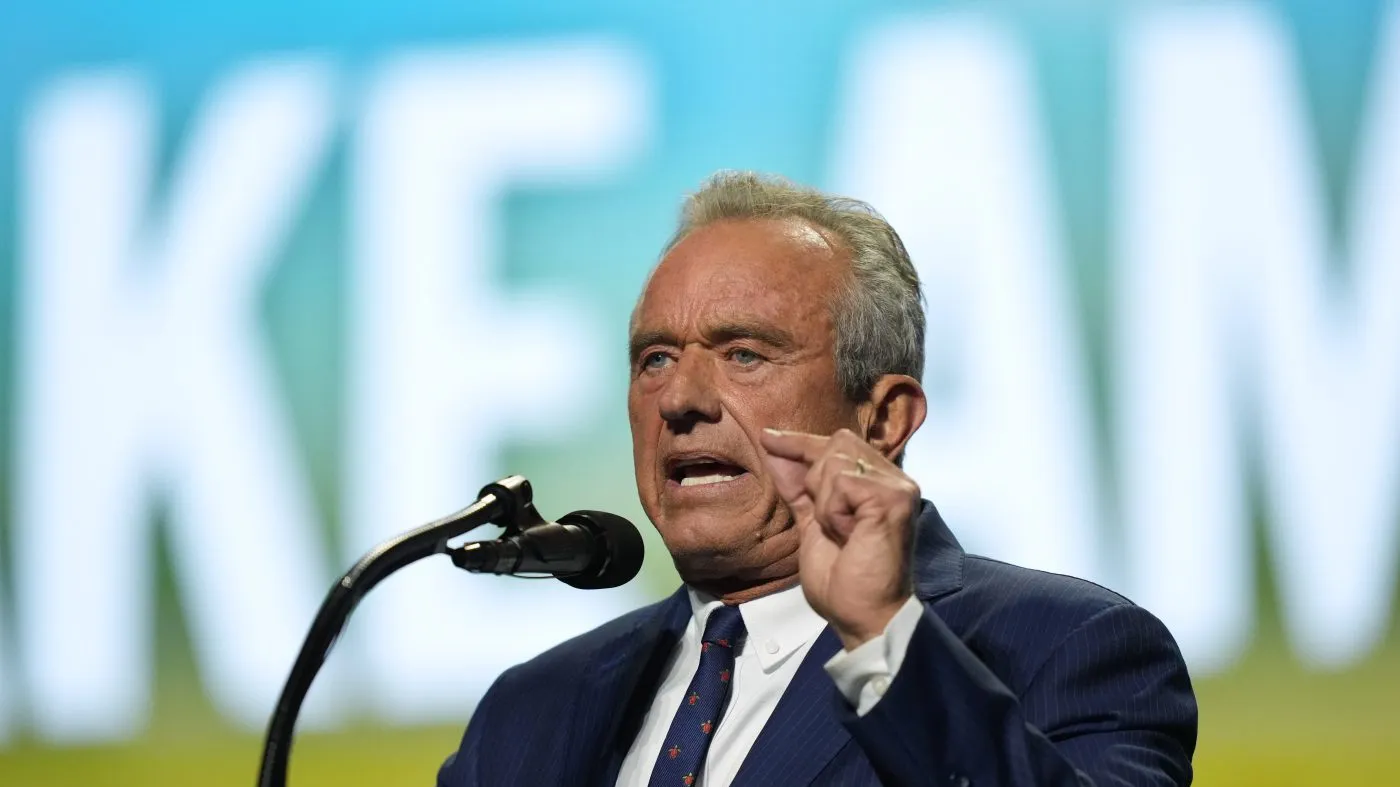
Health and Human Services Secretary Robert F. Kennedy Jr. on Thursday named eight new members to the U.S. Preventive Services Task Force (USPSTF), an influential panel of experts who determine what preventive medical services insurers must cover for free.
For the first time, physician specialists, as opposed to only primary care doctors, will fill the specialized Health and Human Services (HHS) task force. Primary care doctors are generalists with experience across the broad range of topics the panel covers.
“We are strengthening the Task Force to ensure it asks hard questions, follows the evidence wherever it leads, and maintains the highest standards of scientific integrity,” Kennedy said in a statement announcing the new appointees.
In the past, the task force typically called in specialists to consult on discussions relevant to their expertise, but it did not traditionally welcome nonprimary care doctors to join the panel to avoid potential conflicts of interest tied to their medical specialty.
The new members include specialists in oncology, cardiology and gastroenterology. For example, its newly appointed chair, Seth Corey, is a pediatric hematologist-oncologist at Cleveland Clinic.
The panel also welcomed a finance professor who has expertise in health insurance, the value of healthcare services and related policy. Though he does not have a medical degree.
In a statement, the American Medical Association (AMA) said the panel must continue to prioritize primary care physicians.
“We believe maintaining a strong primary care voice must remain central to its work. As the USPSTF moves forward, its recommendations must continue to be based on a transparent, rigorous, independent scientific process and informed by the perspective of physicians who deliver preventive care to patients every day,” AMA President Willie Underwood III said.
The task force is an independent panel of experts that reviews evidence and makes recommendations for services such as cancer screenings, HIV prevention medications and more.
The panel makes its recommendations using a grading scale, and ObamaCare requires insurers to cover services the task force recommends with a “grade” of A or B at no cost to patients.
Kennedy has been highly critical of the panel, and his quest to overhaul it has raised alarms .
“That task force has been lackadaisical. It’s not been doing its job,” he told a House committee in April. “If it had been doing its job, we would have early screening for Alzheimer’s.”
During a separate hearing, Kennedy said the agency was “bringing new members on who have a clear mission,” though he did not elaborate on what it would entail.
Former members said the HHS has blocked the panel from beginning work on new topics and suppressed the release of four new guidelines, including updated recommendations on cervical cancer screenings.
Kennedy has prevented the panel from meeting for more than a year and left it with multiple vacancies after declining to replace members whose terms expired. In May, the HHS secretary fired the panel’s two top leaders .
The task force chair and vice chair would typically be involved in screening and vetting potential new members.
But without its leadership, Agency for Healthcare Research and Quality (AHRQ) Director Roger Klein — a political appointee — has been heading the task force’s efforts.
AcademyHealth, a nonprofit representing health policy researchers, said there are significant questions about how the new members were chosen.
“The public should be able to see how the new members were chosen and vetted. The Task Force has established procedures for disclosing and managing conflicts of interest. Those disclosures, and the process used to evaluate them, should be public,” the organization said in a statement.
Aside from concerns about new members, AcademyHealth noted that the task force relies on the scientific support of AHRQ. But the agency has lost a significant number of staff over the past year and canceled more than 150 research grants.
“Appointing new members doesn’t undo any of that. The best-qualified panel in the world still needs rigorous, current evidence to evaluate. Without it, there’s nothing to grade,” the organization said.
Kennedy has repeatedly accused the task force of poor performance.
Topics in this story
Gathered from external sources. Rights to this text belong to whoever originally published it.