Pennsylvania asks CDC for emergency assistance amid RFK Jr. clash over measles
Pennsylvania’s health department has started the process of requesting emergency assistance from the Centers for Disease Control and Prevention (CDC) to help control a deadly and rapidly spreading measles outbreak, according to a letter sent to the CDC from state officials. But the request for that assistance, known as Epi-Aid, comes on the condition that…
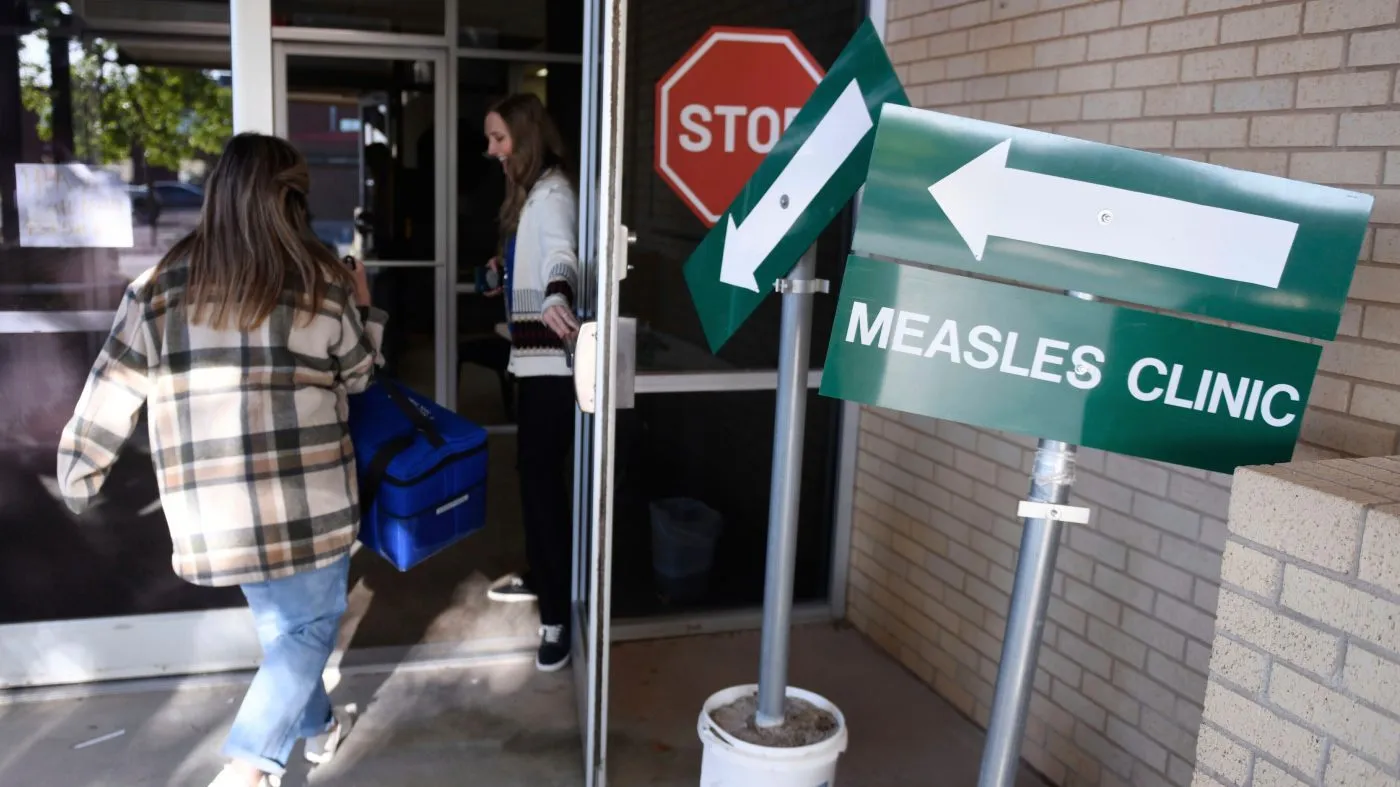
Pennsylvania’s health department has started the process of requesting emergency assistance from the Centers for Disease Control and Prevention (CDC) to help control a deadly and rapidly spreading measles outbreak, according to a letter sent to the CDC from state officials.
But the request for that assistance, known as Epi-Aid, comes on the condition that the CDC publicly recognize the four people in the commonwealth who have died from measles-related complications, which the agency has so far refused to do.
In the letter, Pennsylvania Health Secretary Debra Bogen said it was important for state and federal officials to have a trusting relationship based on “respectful, transparent, and factual communication.”
“The CDC’s choice not to publicly recognize the deaths undermines our response,” Bogen wrote. “For this reason, if CDC is unable to transparently and accurately communicate information about those measles-associated deaths, the Department will respectfully rescind our request for a CDC Epi-Aid.”
The Keystone State’s measles outbreak has been the focal point of an ongoing bitter political dispute between Pennsylvania Gov. Josh Shapiro (D) — a potential 2028 presidential candidate — and Health and Human Services (HHS) Secretary Robert F. Kennedy Jr.
Kennedy has openly questioned whether the deaths in Pennsylvania were directly caused by measles and accused Shapiro of politicizing the outbreak. The CDC in turn has been excluding the deaths from its weekly national measles death tally, a radical departure from the typical agency practice of accepting a state’s own reporting.
Pennsylvania to date has declined offers of federal assistance because they have been handling the outbreak internally, though Bogen in the letter noted the health department has been meeting regularly with CDC staff and recently made two requests for technical assistance.
Emily Hilliard, a spokesperson for HHS, said in a statement the CDC has not received the formal Epi-Aid request “through its normal channels.”
“CDC will not submit to political blackmail that conditions critical public health assistance. The people of Pennsylvania should never be used as leverage in a political dispute over how deaths are classified,” Hilliard said.
“CDC will not allow Governor Shapiro to politicize this process. We owe the American people accurate, consistent, and transparent public health information,” she added.
The agency typically relies on state health officials to investigate and report measles cases to the federal government. Public health experts and former agency officials have said it’s highly unusual for the CDC to dispute how a state classifies and reports measles cases and deaths, and the situation could undermine how states interact with the federal government in the future.
The CDC said it is working with the Council of State and Territorial Epidemiologists to develop a standardized definition for a measles death “to ensure consistent reporting across jurisdictions.”
Any deaths will only be counted if the agency’s National Center for Health Statistics identifies measles as the underlying cause based on death record information submitted by the states.
On Wednesday, the Pennsylvania health department announced that 731 measles cases have been confirmed in 38 counties across the state so far this year. Four people have died in the state from measles-related illness as of Tuesday.
Topics in this story
Gathered from external sources. Rights to this text belong to whoever originally published it.