Suspected cartel drone traffic down 75 percent due to Army lasers: CBP sources
The military acquired high-energy laser tech in 2025 and began using it in August, which led to 100 drones being shot down.
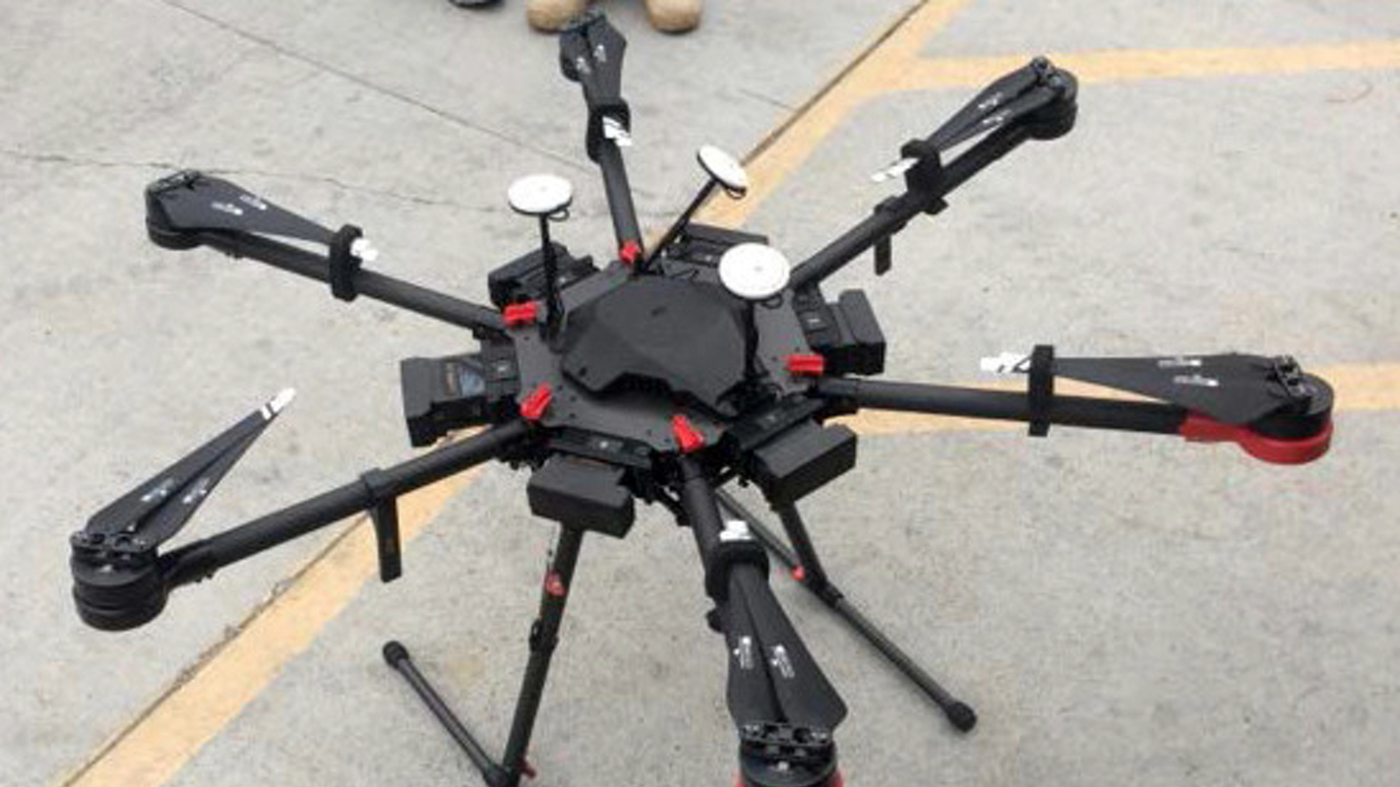
( NewsNation ) — The number of suspected cartel-linked drones in the Rio Grande Valley region of Texas along the U.S.-Mexico border has dropped by 75 percent since the U.S. military began using high-energy lasers , Customs and Border Protection (CBP) sources said.
Officials believe the military’s ability to shoot down these suspected unmanned aircraft directly correlates to the drop in the number of drones being spotted. However, they also acknowledge that the decrease in traffic could be linked to cartel operatives changing routes or using other tactics to accomplish the same goals of surveilling U.S. activity.
Pentagon officials said last week military forces working with U.S. Northern Command and the North American Aerospace Defense Command shot down 300 suspected cartel drones over the first eight months of the year.
That total included 100 drones in August alone , as the military relies on counter-drone technology — including high-energy lasers — as part of its defense against these aircraft. Military officials have also confirmed the 75 percent drop in suspected cartel drone activity around the border.
“Frontline troops have the right authorities and are leveraging a highly capable network to thwart threats to the forces conducting the territorial integrity mission,” Gen. Gregory Guillot, commander of the North American Aerospace Defense Command and U.S. Northern Command (Norcom), said in a statement last week.
Before turning to the lasers as part of its counter-drone defense, military forces were largely using electronic warfare systems to jam up the drones reportedly being used by the cartels, officials said. The issue is once a drone operator can unjam the aircraft, it can return to full effectiveness.
However, the laser system is proving much more effective, as its beam can completely disable the aircraft, which removes it from the suspected cartel’s arsenal of devices being used against the U.S.
Norcom officials said last week the U.S. Army purchased the high-energy laser system in 2025 as part of an effort to develop what it calls scalable directed-energy capabilities against unmanned aircraft systems and other aerial threats.
The system was fully integrated into the Army’s layered defense system in August to “help counter threats” to military personnel and to support ongoing efforts to protect the U.S.-Mexico border against cartel operatives.
On Aug. 25 and 26, troops used it to take down three hostile drones in the Rio Grande Valley that Norcom said were directly supporting activity posing a threat to U.S. military personnel and CBP.
Within days, that number climbed to 11 cartel-linked drones removed by military forces by Sept. 4.
Military officials have not linked any specific cartel or transnational criminal organization to the drone activity that has taken place near Fort Bliss in El Paso, Texas.
Asked Monday about combating the cartel’s use of drones, White House border czar Tom Homan said the Trump administration is “aware of all drone activity and we’re mitigating it.”
Earlier this year, the Federal Aviation Administration (FAA) briefly shut down airspace around El Paso amid concerns over the military’s use and testing of the high-energy laser near civilian air traffic. The FAA initially announced restrictions that could have lasted 10 days — but the airspace reopened just hours later.
Since then, the FAA and the Pentagon have completed a formal safety assessment of the system — and military officials say they now coordinate regularly with the agency before and after the laser is used to make sure civilian aircraft are protected.
Norcom officials also noted that the U.S. is coordinating with Mexican officials, who are committed to curbing cartel activity on both sides of the border.
Mexico’s defense secretary says the two countries are also sharing information about drones and conducting what they call “mirror operations” — coordinated operations with each country working on its own side of the border.
Officials say cartels are using those drones to support smuggling operations and surveil U.S. law enforcement and military personnel — essentially giving smugglers another set of eyes above the border.
Topics in this story
Gathered from external sources. Rights to this text belong to whoever originally published it.