‘Super’ El Niño is now a near certainty. Here are 5 side effects you may not know about
El Niño doesn’t just impact the weather. There are five lesser-known impacts of El Niño we’re likely to see with this year’s super-charged event.
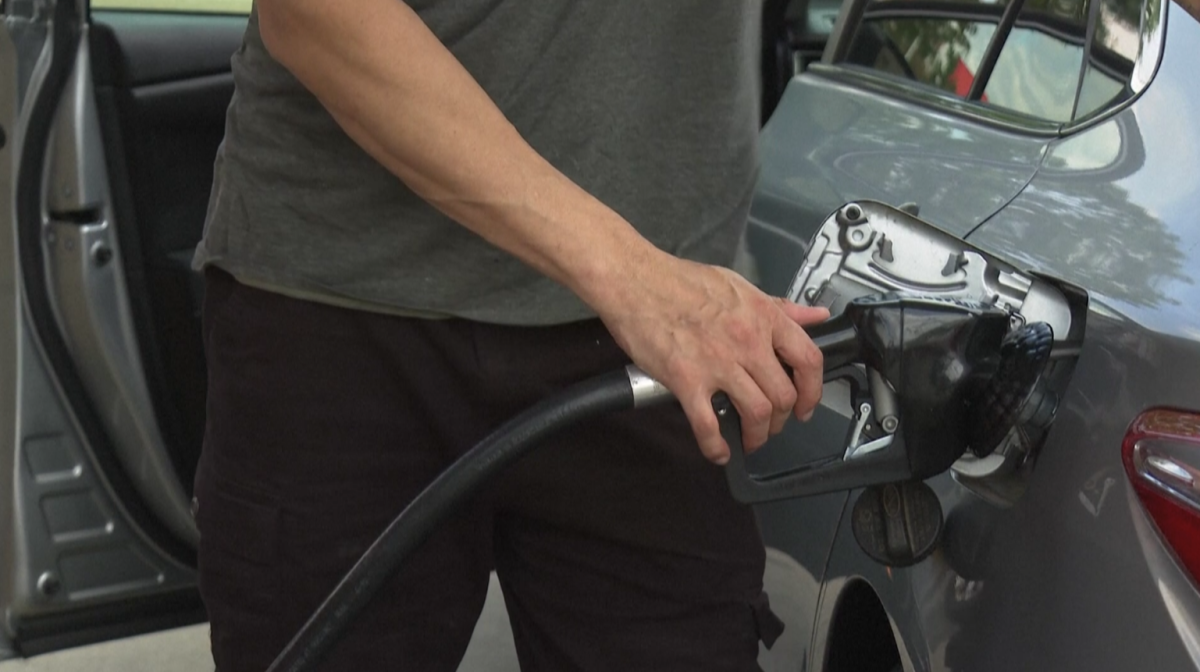
(NEXSTAR) – The chance of a very strong, or “super” El Niño grew to greater than 90% on Thursday. In fact, it may soon become one of the strongest El Niños ever , the Climate Prediction Center said.
“During the October-December 2026 season, there is a 75% chance of a historic event that would exceed the strength of previous El Niño events dating back to 1950,” the national forecasters said in their latest release.
The climate phenomenon has continued to build strength as we get closer to a winter season peak. With an event this strong, we’re more likely to see the classic El Niño weather impacts in the coming months.
But El Niño doesn’t just impact the weather. Experts at Columbia Climate School recently broke down five lesser-known impacts of El Niño we’re likely to see with this year’s super-charged event.
“Now is the time to get ready,” said said Dr. Jeffrey Shaman, senior vice dean and professor at the Columbia Climate School.
El Niño doesn’t hit all crops the same way worldwide, explained Michael Puma, a Columbia climate professor and researcher, but when it creates extreme weather events, it can disrupt food production in a region.
While the outlook for wheat is looking better this year, the prospects for rice are looking worse, Puma said. El Niño is also predicted to impact the price of one major ingredient: sugar.
With many parts of the world already experiencing drought or unfavorable planting conditions, wild weather can make things even harder. “The El Niño signal hasn’t reached the major staple grains yet, but when it does it arrives in a market that’s already tight,” Puma said.
A Goldman Sachs analysis predicts the El Niño could contribute to a roughly 16% price increase in global food commodities. The World Food Program is projecting there will be at least 49 million people experiencing acute food insecurity by the end of 2027.
The picture is “similarly tight” when it comes to energy, said Kate Guy with the Center on Global Energy Policy. “Especially because we’re already in the midst of quite a tight and constrained energy picture and El Niño is only going to add to that, unfortunately.”
There’s likely to be more demand on energy infrastructure because of the need for more cooling power during hot El Niño years. At the same time as demand increases, some energy supply is threatened. Hydropower, for example, won’t be as abundant in the areas where El Niño brings reduced precipitation. Wind is also impacted in some regions.
Solar energy production may increase in some areas, but decrease in others, depending on storm patterns and cloud cover.
“We’re just going to see a lot of volatility across these markets and across these systems in the next year,” said Guy.
One possible bright spot: El Niño may bring a milder winter to the Northern Hemisphere, lowering the demand for heating energy.
We’ve already seen a major bottleneck at the Strait of Hormuz, impacting the flow of gas to markets around the world. Now, El Niño could create an environmental shipping bottleneck.
The water levels in the Panama Canal are already quite low, said Guy, and El Niño tends to make it worse.
“In past El Niños we saw the government really curtail ship traffic through the Panama Canal. They’re already starting to consider this, I’ve heard, and that could raise shipping costs and shipping times all across the world.”
El Niño is associated with a rise in global temperatures, which can be deadly — especially in cities. Urban exposure to extreme heat has already increased 200% since 1982, affecting 1.7 billion people, said Sheila Foster, a climate and law professor.
Most of the people who die from heat are indoors, Foster explained. Many have working air conditioning, but can’t afford to run it through heat wave after heat wave.
With a likely hot year ahead, cities should plan to fund cooling centers and give people relief from high energy prices so they can appropriately cool their living spaces, Foster said.
Disaster response in our country is generally built around the idea that there will be a single, isolated disaster, explained Jeffrey Schlegelmilch, a professor of climate and disaster preparedness. It assumes that when there’s a big problem in one county — say a fire, flood or hurricane — neighboring counties or states will be able to send in mutual aid.
But that doesn’t work when it comes to El Niño.
“El Niño is looking at a scale of disasters that are so large with overlapping calendars that everyone is going to be fighting over those generators in the power outage, or those flood control equipment or firefighting equipment,” he said.
The increased threat comes at the same time as we’re seeing a reduction in FEMA (Federal Emergency Management Agency) workforce and resources.
Topics in this story
Gathered from external sources. Rights to this text belong to whoever originally published it.