Ford and Stellantis Drop 4% as Trump Sets 50% Auto Tariffs on Canada, General Motors Slips
A Truth Social post landed at the open and immediately sent Detroit's Big Three into a tailspin, but the selloff is hitting Ford and Stellantis twice as hard...
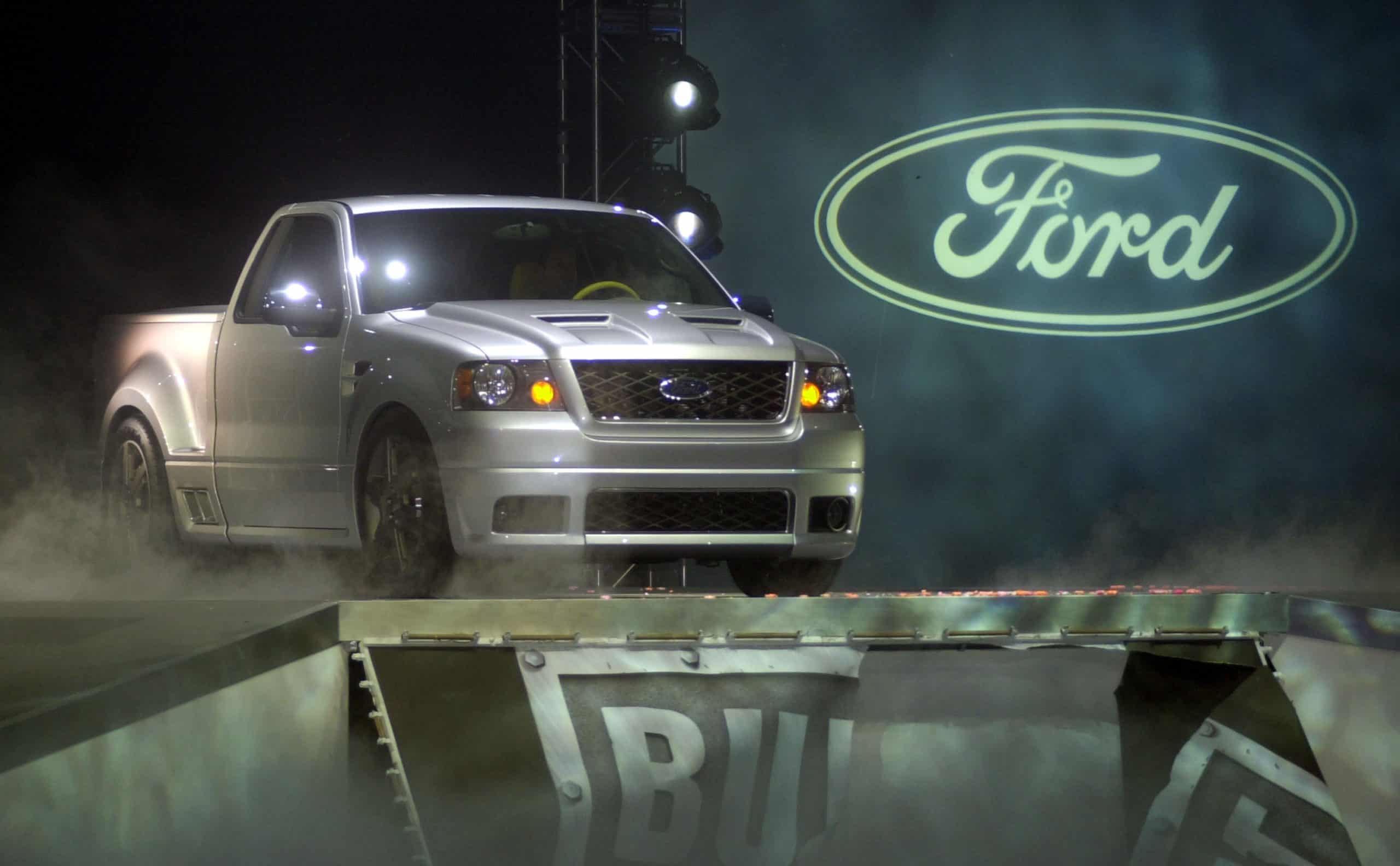
Ford (F) and Stellantis (STLA) each fell 4% after Trump announced 50% tariffs on all Canadian vehicles and parts starting January 2027.
Canada's ambassador Mark Wiseman said the written trade text diverged from what Canada believed it agreed to, collapsing U.S.-Canada talks.
Act now: the analyst who called NVIDIA in 2010 just named his top 10 AI stocks — and Stellantis didn't make the cut. Grab the names FREE today .
Ford ( NYSE:F ) stock is down 4% to $13.87 in Monday mid-morning trading after President Trump announced a sharp escalation in auto tariffs targeting Canadian imports. Meanwhile, Stellantis ( NYSE:STLA ) shares are also down 4% to $5.19, while General Motors ( NYSE:GM ) stock is down 2% to $86.28.
The selling is sorting within Detroit's Big Three, with Ford and Stellantis taking the harder hit on the tape today. For context, the Global X Autonomous & Electric Vehicles ETF ( NASDAQ:DRIV ) is down 2% to $34.25.
The tariff itself isn't yet in force, and Trump's announced 50% duty on Canadian vehicles and parts is set to take effect January 1, 2027, so Monday's tape is repricing an announced future cost. Ford stock was up 17% year to date through Friday's close, so today's slide erodes a slice of that lead. Stellantis has traded well below year-end levels heading in, which magnifies the sting for shareholders already sitting on losses.
Truth Social Post Triggers the Auto Selloff
In a Truth Social post Monday, Trump wrote, "On January first, 2027, tariffs on all cars, trucks, both large and small, automotive parts, and steel, will be increased to 50%." He accused Canada of "ripping off" the United States and cited a $60 billion trade deficit as justification for the escalation. The post landed at the open of the week and immediately pressured cross-border auto exposure across the Detroit names.
The auto action follows the collapse of U.S.-Canada trade talks late Friday. Separately, Washington applied 50% tariffs to about $20 billion of Canadian goods after talks broke down, 5% of Canada's exports to the U.S., covering electronics, industrial machinery, dairy, paper goods, appliances, and agricultural equipment. That levy is distinct from the forward-dated auto duty, and Canada announced counter-tariffs scheduled to take effect September 8.
Why Talks Collapsed and Where Automakers Fit
Canada's ambassador to the U.S., Mark Wiseman, told Bloomberg that Canada "needed medium and heavy duty vehicles to be included" in any tariff relief, noting the issue directly affects General Motors and Ford, both of which operate assembly in Canada. He stated, "That's just something we could not accept because we want to protect the existence of an automotive assembly industry in Canada for cars, light trucks, you know, medium trucks and heavy-duty trucks."
Topics in this story
Gathered from external sources. Rights to this text belong to whoever originally published it.