Meta reaches $18B deal on kids’ use of Facebook, Instagram: 4 takeaways
A landmark settlement between Meta and attorneys general across the country will see the technology giant pay more than $18 billion to states but also roll out several changes to better protect kids and teens on its Facebook and Instagram platforms. The settlement proposal, which awaits a judge’s approval, will end the high-profile trial in…
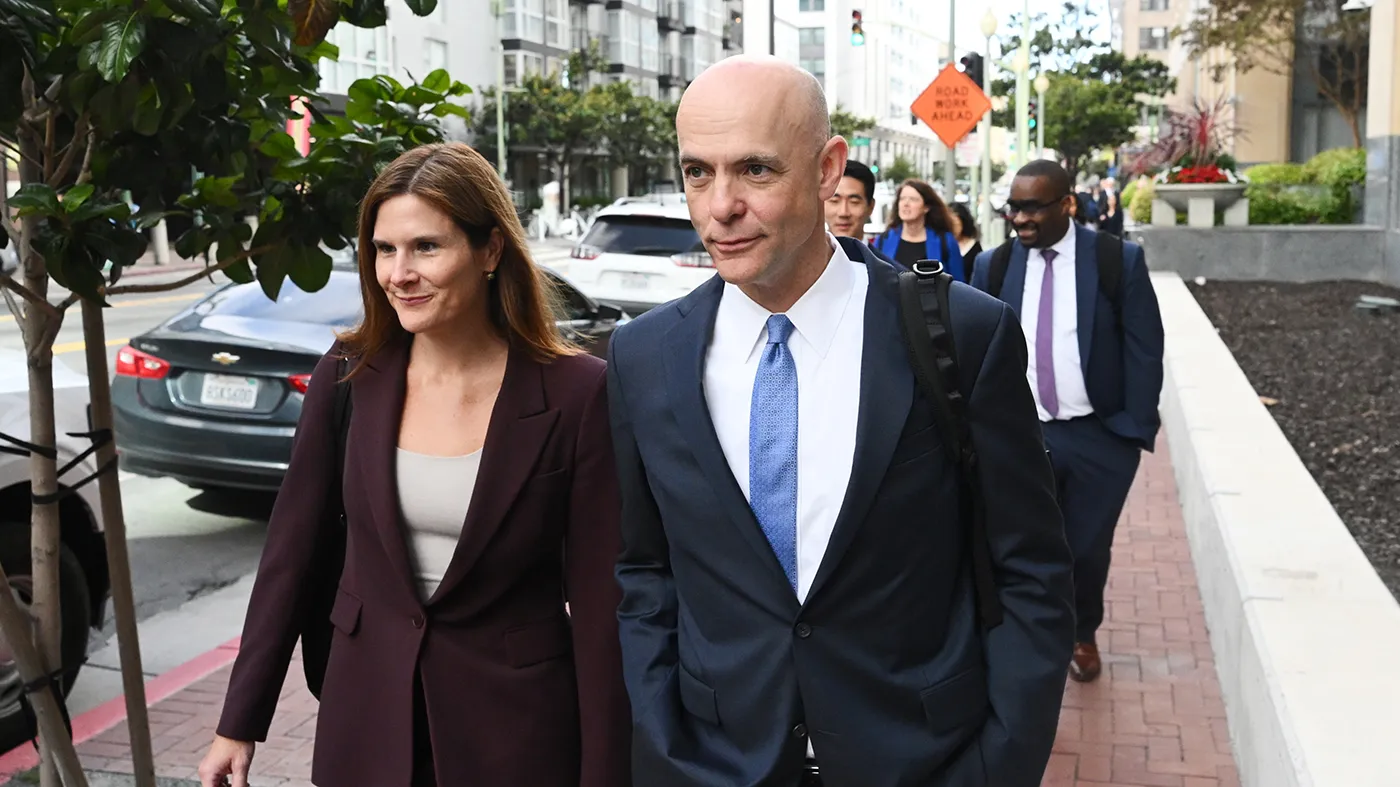
A landmark settlement between Meta and attorneys general across the country will see the technology giant pay more than $18 billion to states but also roll out several changes to better protect kids and teens on its Facebook and Instagram platforms.
The settlement proposal, which awaits a judge’s approval, will end the high-profile trial in California, but it will alter kids’ and teens’ experiences with Meta, and potentially other platforms, for at least the next decade.
It builds upon years of pressure on Meta to better prevent children and teens from experiencing negative mental and physical consequences caused by the apps’ designs.
Here are four takeaways on a momentous day in the tech world.
The settlement, announced Wednesday, effectively ends the trial in California centered on allegations the Instagram and Facebook parent company knowingly designed its platforms to keep minor users addicted and misled the public about the apps’ risks.
The lawsuit was first filed in 2023 by a group of 29 state attorneys general, but the settlement expanded to 47 U.S. states, three territories and the District of Columbia after Meta said it approached “nearly every state” to collaborate on a safety framework.
The settlement includes a monetary payment of up to $17 billion dispersed to the states over the next decade. The money will go to state efforts to prevent or reduce mental health or other harms associated with social media use.
Several state attorneys estimated how much their state could receive from the payout, with California Attorney General Rob Bonta (D) stating between $1.5 billion and $2.1 billion for the state.
Separately, Meta will pay Texas more than $1 billion over similar allegations , bringing the company’s total sum to just more than $18 billion.
The states argued in court that Meta designed and implemented harmful features that encourage “excessive use” of Facebook and Instagram by teens and younger children. They alleged Meta also misled the public about the mental and physical health risks associated with its apps and routinely collected the data of users younger than 13 without parental consent.
The trial lasted just a week and was expected to feature testimony from Meta CEO Mark Zuckerberg. While the CEO will not testify, the California court did hear from the head of Instagram, Adam Mosseri, on Tuesday.
Just a day before the settlement, Mosseri told the court Meta introduced a “Take A Break” pop-up feature on Instagram in 2021 to help teens control their time spent on the app, but it had lower uptake than the executive hoped.
As for the two states not included in the settlement, New Mexico already fought Meta in court and won last March. The company was ordered to pay the state $567 million.
In Florida, Attorney General James Uthmeier (R) said the payout was “peanuts” compared to Meta’s alleged harms and vowed to “ see them at trial .”
While the payment is a small part of Meta’s revenue last year of $201 billion, the biggest implications lie in the platform changes that are poised to significantly influence young users’ experiences on Instagram or Facebook.
Meta said it hopes the changes create a national framework for other social media firms to agree on.
Under the settlement, the company will set a default daily time limit of two hours for users under 18 that can only be lifted by a parent. If other social media firms agree to similar terms, the daily time limit will drop to one hour.
The company will also institute a nighttime block between midnight and 6 a.m. for users under 18. Like the daily limit, this can only be lifted by a parent, and should other social media firms agree, the nighttime block will change to cover the hours of 10 p.m. to 7 a.m.
Notifications for users under 18 will also be blocked from 10 p.m. to 7 a.m. and during the school day — 8 a.m. to 3 p.m. from Aug. 15 to June 15, Bonta’s office said.
Teen users will also receive prompts every 15 minutes they continuously spend on Facebook or Instagram, along with prompts when daily usage hits 60 or 90 minutes.
Minors will also no longer be able to see the number of likes and reactions on both their own and others’ posts by default, while cosmetic surgery and extreme makeup filters will be disabled.
Meta currently allows users 13 and older but said Wednesday it will invest in stronger age assurance technology to detect users who may lie about being under 18 and remove users under 13.
Teens will also be able to choose a “non-algorithmic feed” as a default, rather than the typical personalized feeds that are generated by a users’ activity on the platforms.
The majority of the terms are required to remain in place for 10 years, though the time and night limitations will start with a five-year commitment, according to Meta. Should other tech firms sign the agreement, it will extend this commitment to 10 years.
These features build upon the Teen Account program, which was rolled out in 2024 for all users under 18. Existing features include age-appropriate content restrictions and defaulted private accounts.
The deal could have implications for other social media companies
In announcing the settlement, Meta specifically called out YouTube and TikTok to “join” the company in adopting what it calls a “new standard” for kids online safety.
In an open letter , Meta argued the benefits of its new standards will only be “truly effective” if other industry players follow the same standard, putting public pressure on its rivals to make a deal.
“All platforms should empower parents and support teens in these ways because we know that when teens are restricted on one app, they simply move to another. For meaningful progress to happen, we urge our peers to join us,” Meta wrote in the open letter .
It is not clear how the other companies will react, given they are facing their own legal challenges over similar allegations.
Meta’s deal allows it to position itself
The settlement allows Meta to both avoid the rest of the trial, including Zuckerberg’s testimony, but also position itself as a new leader in the kids online safety space.
It comes just months after Meta lost in two other kids online safety trials earlier this year.
A day after New Mexico’s victory against Meta last March, a California jury determined in a separate case that Meta and YouTube were negligent in their design or operation of the platforms and ordered the companies to pay a combined $6 million.
The back-to-back verdicts sent a warning shot to Big Tech , as it was the first time juries found the social media platforms liable for their impact on kids and teens. Legal experts told The Hill the successful verdicts could pave the way for similar outcomes in other trials.
Since then, several social media firms began settling similar cases before they hit the court. Weeks before a trial slated for June, Meta, YouTube, TikTok and Snapchat settled a suit alleging the firms intentionally designed platforms to keep kids engaged, prompting mental health issues.
“This massive settlement shows how terrified Meta and Mark Zuckerberg are of accountability in open court,” Sens. Richard Blumenthal (D-Conn.) and Marsha Blackburn (R-Tenn.), the Senate co-authors of the landmark Kids Online Safety Act, said in a statement.
“Between devastating evidence that was emerging in the trial and pending legislation in California, Mark Zuckerberg saw the hammer coming down. Meta’s decision to settle is proof that the prospect of paying real money works,” Jim Steyer, founder and CEO of the nonprofit Common Sense Media, said in a statement following the settlement news.
Topics in this story
Gathered from external sources. Rights to this text belong to whoever originally published it.