Bill Gates: AI will either be ‘greatest equalizer’ or ‘worst source of injustice’
Microsoft co-founder Bill Gates argued Tuesday that AI will either be the “greatest equalizer ever invented” or the “worst source of injustice,” calling for society to act quickly to prepare for the technology’s impacts. In an essay published on his website Gates Notes, the tech billionaire suggested that leaders are not adequately confronting the challenges…
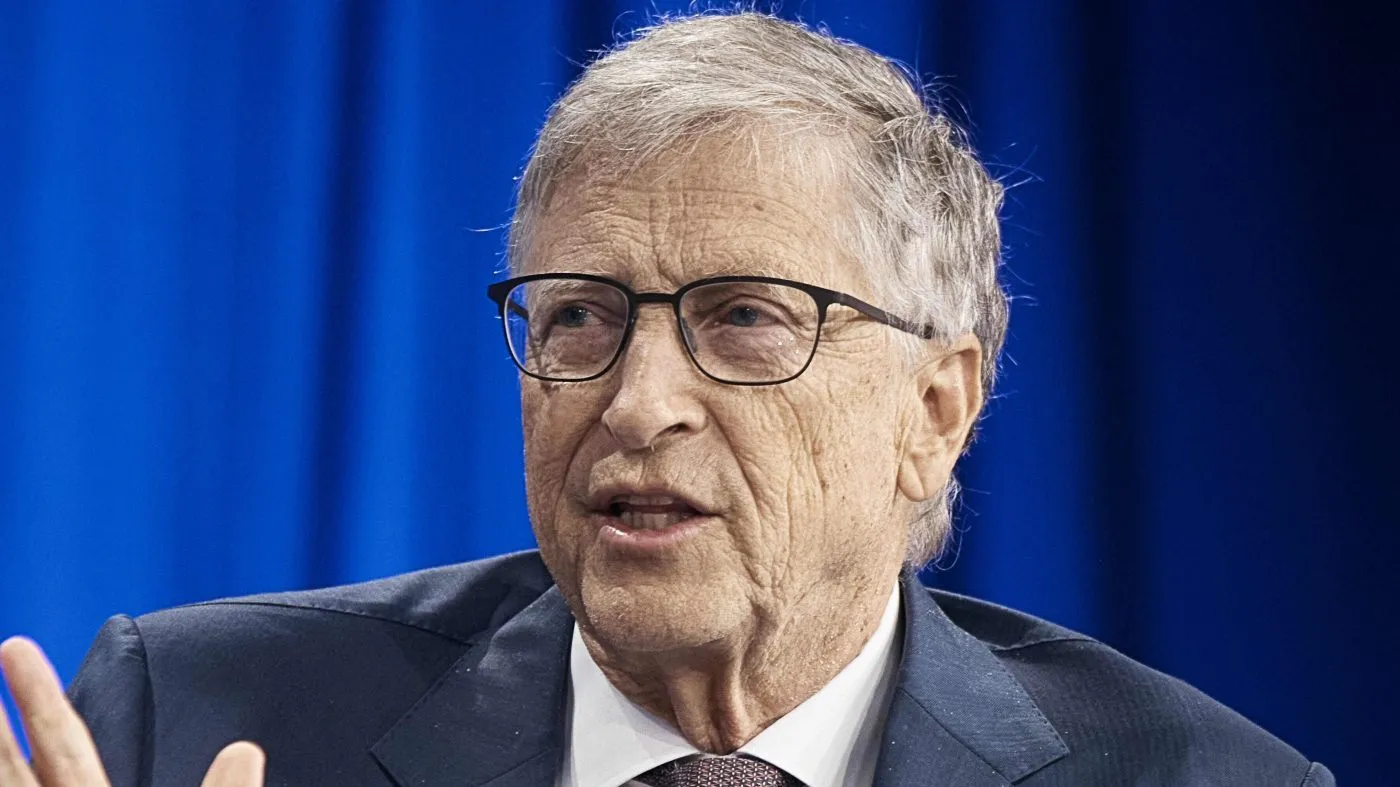
Microsoft co-founder Bill Gates argued Tuesday that AI will either be the “greatest equalizer ever invented” or the “worst source of injustice,” calling for society to act quickly to prepare for the technology’s impacts.
In an essay published on his website Gates Notes, the tech billionaire suggested that leaders are not adequately confronting the challenges posed by AI.
“Even under the best circumstances, the transition to this new AI era will be one of the most turbulent times in human history,” he wrote, adding, “There is no plan to ease the entry into the AI era.”
He pointed to the labor market, noting that AI will likely disrupt jobs across numerous industries and move faster through the economy than earlier technological transitions.
“We have to think now about how to reduce job losses so that everyone can share in the prosperity that AI creates,” he said. “Waiting until people are already displaced or underemployed will be too late. AI is a structural challenge to the way our economy is organized, and it requires thinking and action now.”
Gates warned that AI is creating new cybersecurity risks and threatens to replace human relationships. However, he also underscored the potential benefits from the technology, such as quicker advancements in healthcare and boosts to agriculture in low-income countries.
He argued that “maximizing the benefits” of AI is “just as important as minimizing the harms.”
“If people see how AI makes their lives easier, it will help build the public trust that is necessary for managing the harder parts of the transition,” Gates said. “If the first thing AI does in most people’s lives is take away their job, those who are already skeptical about it will outright reject it.”
This comes at a moment when AI is increasingly unpopular. A recent survey from Pew Research found that 52 percent of respondents said they are more concerned than excited about the technology, while just 9 percent said they are more excited than concerned.
Gates called for both domestic and international frameworks on AI, in addition to setting aside certain jobs for humans and establishing new taxes on AI tokens and robots.
“This unprecedented technology demands an unprecedented global response,” he added. “If we get it right, the payoff for humanity will be phenomenal and the world will be a more equitable place.”
Topics in this story
Gathered from external sources. Rights to this text belong to whoever originally published it.