49ers’ perfect DeForest Buckner trade offer to Colts before NFL trade deadline
The San Francisco 49ers should offer the Indianapolis Colts a 2027 third-round pick for DeForest Buckner before the November 10 NFL trade deadline. That is a...
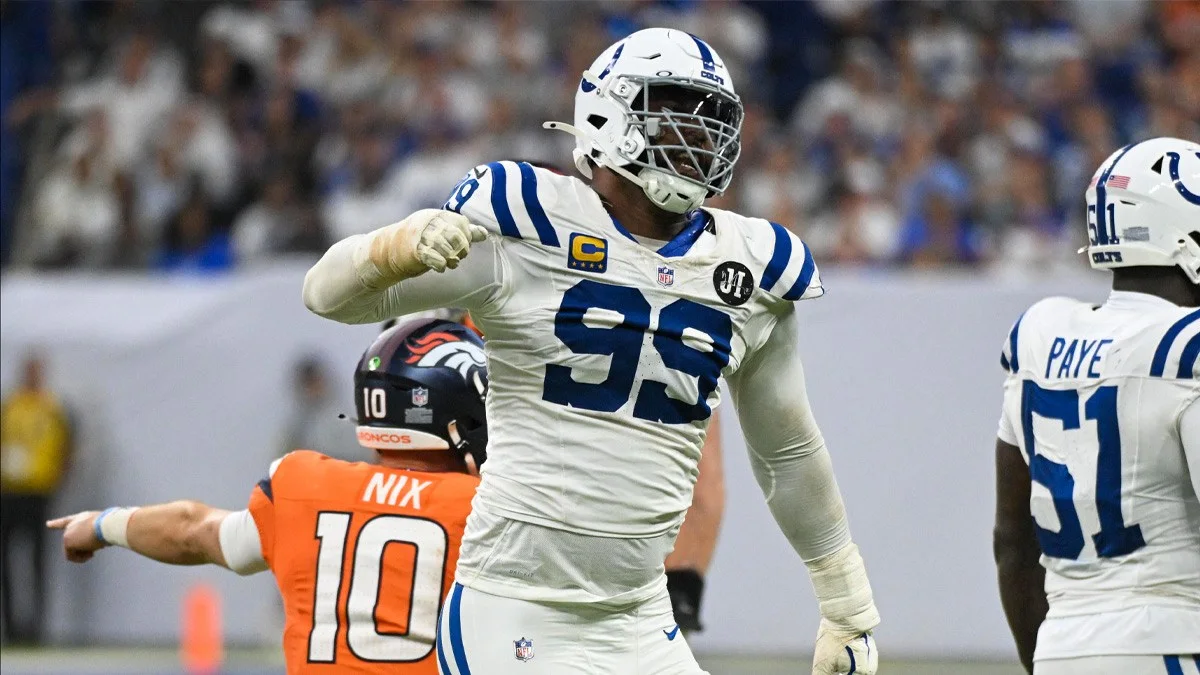
The San Francisco 49ers should offer the Indianapolis Colts a 2027 third-round pick for DeForest Buckner before the November 10 NFL trade deadline. That is a meaningful price for a 32-year-old defensive tackle, but his production and fit make a reunion worth pursuing.
This would not be about correcting an unpopular decision from six years ago. It would be about acquiring an interior difference-maker for a championship push while giving Indianapolis a valuable asset for its next roster overhaul.
Why Buckner would elevate San Francisco's defensive front
Buckner has recorded 26 tackles, four sacks and three passes defended through six games in 2026. He also has eight quarterback hits and four tackles for loss. Those numbers show a veteran still influencing possessions rather than surviving on reputation.
Watch sports LIVE with fuboTV (free trial)
That interior disruption is what San Francisco should prioritize. Edge pressure becomes more dangerous when quarterbacks cannot comfortably step forward, and Buckner can challenge guards while creating less predictable escape routes.
His arrival would also broaden the defensive coordinator's options. The 49ers could pursue pressure with four rushers more confidently, preserving additional defenders in coverage instead of depending on extra blitzers to manufacture disruption.
There is a run-defense benefit, too. Buckner's ability to penetrate can force runners to alter their paths before reaching the second level. That creates opportunities for teammates, provided the entire front maintains its gap responsibilities.
Familiarity adds appeal without eliminating the adjustment period. Buckner spent his first four NFL seasons with San Francisco, and Kyle Juszczyk has publicly encouraged him to return. Existing relationships could help his integration, although the current scheme and personnel still require study.
The contract creates urgency and risk. Buckner is in the final year of his deal, so San Francisco would be acquiring immediate help without guaranteed control beyond this season. An extension could be discussed separately, but the trade should make sense even without one.
Why Indianapolis should consider moving its defensive leader
The Colts are 2-4, making their deadline decision more complicated than simply declaring themselves contenders or sellers. Trading Buckner would weaken the defense immediately and remove an established locker-room presence.
Still, Indianapolis must weigh that loss against the possibility of watching him leave in free agency. A guaranteed third-round selection would provide a concrete return now rather than relying on an uncertain future compensatory-pick outcome.
That selection could help address several needs. The Colts could draft a replacement defender, strengthen another position or use it as part of a larger transaction. Younger contributors on rookie contracts would give the organization greater flexibility around its next core.
Financial considerations matter, but neither team should confuse Buckner's full 2026 cap charge with the amount transferred in a deadline trade. Previously paid bonus accounting and remaining compensation require separate analysis before any agreement.
The perfect offer balances impact against rental risk
The proposed package should remain straightforward:
San Francisco's 2027 third-round draft pick.
For Indianapolis, a third-rounder acknowledges that Buckner remains a premium contributor rather than a veteran being discarded. For San Francisco, it preserves first- and second-round selections while addressing an immediate need with a proven player.
The 49ers should resist adding another substantial asset unless competing bids justify it. Buckner's age and expiring contract impose a sensible ceiling, even with his strong performance.
This is the kind of calculated aggression contenders should embrace: pay for present impact, respect the long-term cost and avoid letting familiarity replace disciplined evaluation.
Topics in this story
Gathered from external sources. Rights to this text belong to whoever originally published it.