You Can Criticize Carson Hocevar, But You Can’t Ignore His Improvement.
There are plenty of things you can criticize about Carson Hocevar. His aggression has gotten him into trouble. He’s made mistakes, created controversy and co...
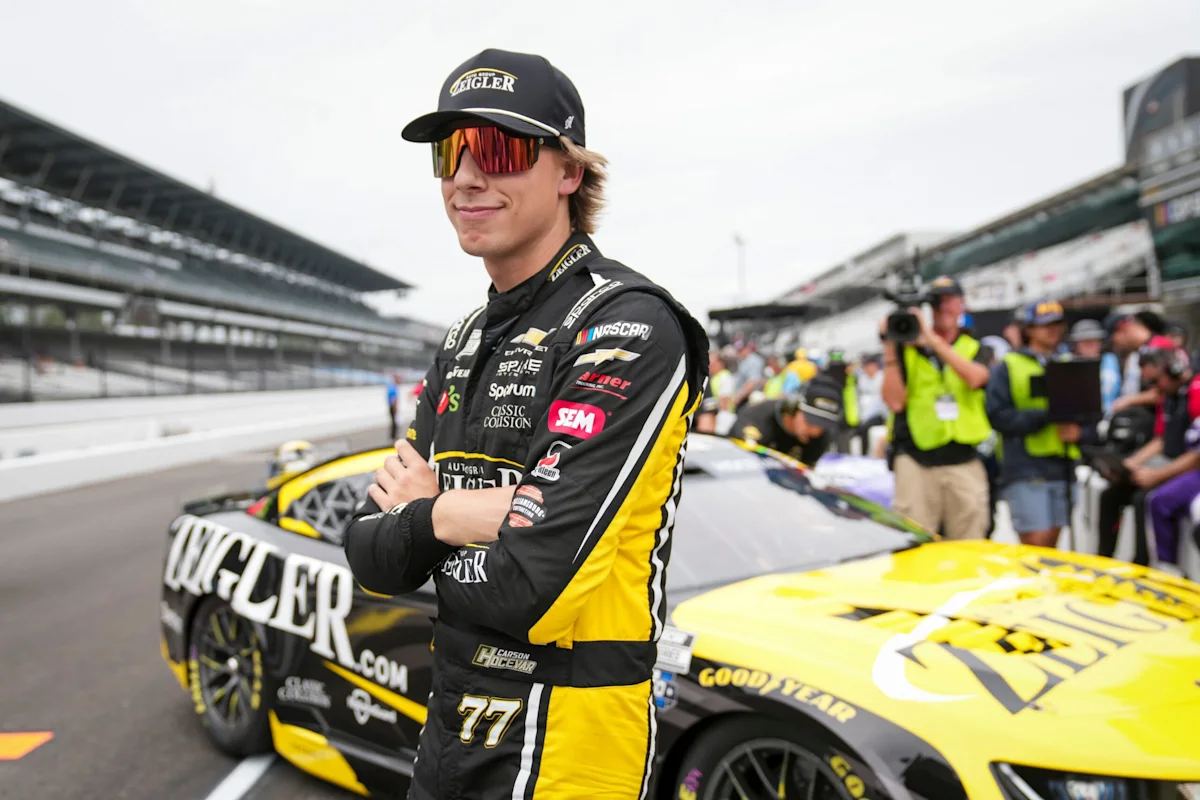
There are plenty of things you can criticize about Carson Hocevar.
His aggression has gotten him into trouble. He's made mistakes, created controversy and collected a growing list of drivers who probably aren't sending him a Christmas card.
But if the argument is that Hocevar doesn't have the performance to back up the confidence, that's where I disagree. Because the numbers tell a different story.
*Hocevar's 2026 and Blaney's 2018 statistics reflect the first 26 races of their respective third full-time Cup Series seasons.
Through the 2026 regular season, Hocevar earned his first Cup Series win, five top-five finishes, nine top 10s and two poles. Compare that to 2025, when he finished the entire season with two top fives, nine top 10s and one pole. In his 2024 rookie season, he had just one top five and six top 10s.
He's not just producing occasional flashes of speed, either. Hocevar led only 16 laps during his rookie season and 122 last year. He led 157 during the first 26 races of 2026 alone. His average starting position improved from 17.6 in 2025 to 12.2 this season, while his average finish improved by nearly five positions to 16.7.
For some perspective, Ryan Blaney was at a similar point in his third full-time Cup season. Through 26 races in 2018, Blaney had five top fives, 12 top 10s and two poles. Hocevar has five top fives, nine top 10s and two poles through the same number of races this season — with a win already on his resume.
The point isn't that Hocevar is following Blaney's exact trajectory. It's that expecting a 23-year-old in his third full-time Cup season to already perform like a finished product ignores how development at NASCAR's highest level can work.
And before his recent slump, the results were showing that development. Hocevar left Indianapolis fifth in the Cup standings and as the highest-ranked Chevrolet driver.
One top-20 finish across the final four regular-season races, three finishes of 31st or worse and two DNFs dropped him to 12th entering the Chase. His struggles continued at Darlington, adding more fuel to the conversation about his recent performance.
That stretch deserves criticism. But four or five bad races don't erase what came before them.
Hocevar still has plenty to clean up. The aggression that makes him exciting can also put him in situations that cost himself and others, and turning raw speed into consistent results remains an important part of his development. But that's a different argument than saying the performance isn't there.
You don't have to like how Carson Hocevar races. You don't have to like his personality, either. But the argument that the performance isn't there? The numbers are making that harder and harder to defend.
Topics in this story
Gathered from external sources. Rights to this text belong to whoever originally published it.