How did Tiger Woods’ father shape his golf journey? Exploring Earl Woods’ influence, childhood training, military discipline and the family story behind his rise to golfing greatness
Explore how Earl Woods shaped Tiger Woods' golf journey through military discipline, unique training techniques, and emotional support from Kultida. Discover the family dynamics behind Tiger's rise to greatness.
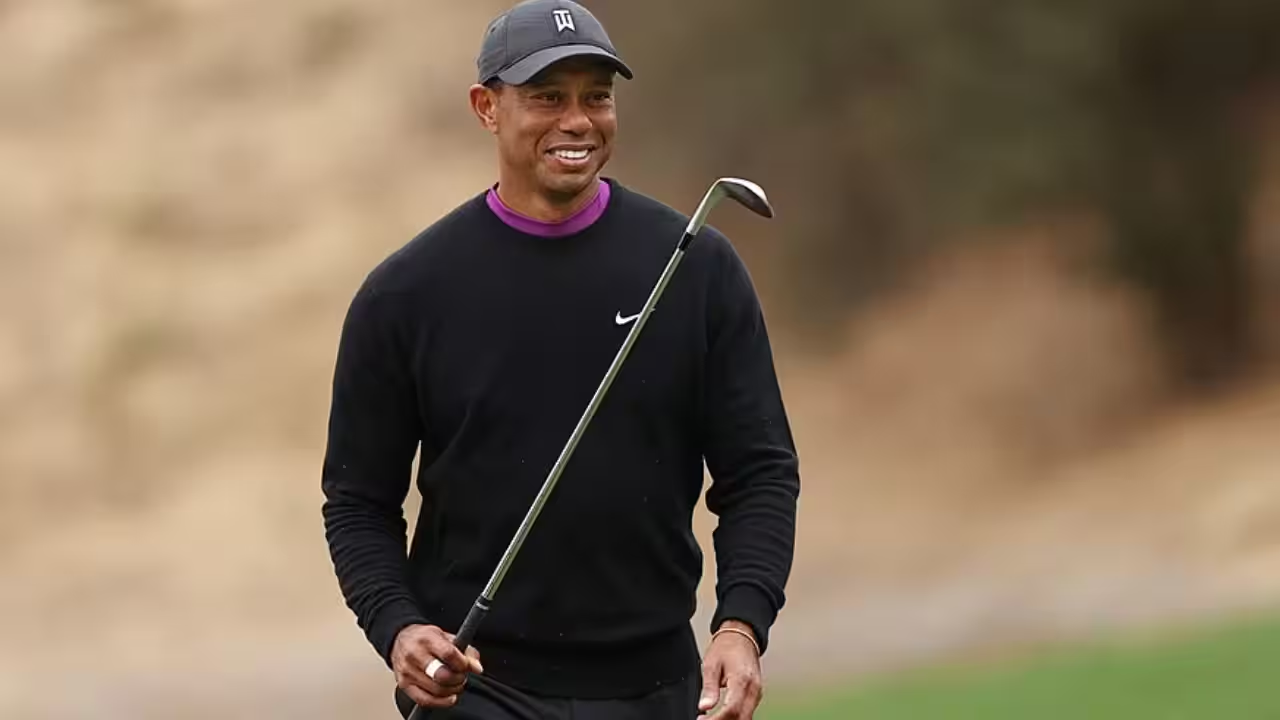
Tiger Woods’ ascent from child prodigy to one of the most powerful figures in the game was more than just natural ability. His father, Earl Woods, introduced him to the game of golf at a very young age and set up a training program that included technical instruction, mental conditioning and getting ready for pressure. Earl’s military background had a big impact on his coaching style, and he would often try his son’s concentration with strange distractions.Tiger’s dad didn’t raise him alone. Kultida Woods, Earl’s mother, counterbalanced his strictness with emotional guidance, discipline and encouragement. Their influence helped plant the seed for Tiger’s growth as a golfer and a competitor.How Tiger Woods’ father Earl Woods built his golfing foundationTiger’s father, Earl Woods, a retired US Army lieutenant colonel and former Green Beret, saw Tiger’s interest in golf when he was a baby. He started to introduce him to the game with simple activities, slowly turning early curiosity into structured practice.Earl is said to have put Tiger in a baby bouncer next to golf practice when he was about six months. By about 11 months, he had made a custom putter for his son. Tiger’s progress was staggering: purportedly he shot a 48 over nine holes at the age of three and won junior golf tournaments as a child.Earl taught the game in reverse, not beginning with the full golf swing. His focus was on putting, chipping and pitching before he moved on to the more complex elements of the sport. His coaching was not just about physical skills; he wanted Tiger to learn how to keep his head when the pressure was on.Earl’s military experience shaped his approach to preparing his mind. He would deliberately cause distractions when Tiger was practicing, making noises, coughing or jingling his keys as his son tried to hit a shot.It was to teach Tiger to concentrate in the face of interruption. Earl believed that competitive golf required the ability to tune out distractions, especially when distractions could come from the gallery, the opponents and the pressure of the tournament.He could be demanding, and some of his methods were criticized. But Tiger later confessed that his dad had prepared him for situations that others might find embarrassing or even painful. Earl wanted his son to build resilience, not rely on perfect playing conditions.How Kultida Woods balanced Earl’s strict training approachWhere Earl stressed discipline and competitive toughness, Kultida Woods provided guidance of another kind, and she helped keep the family emotionally balanced and encouraged Tiger to stay grounded as his success grew.She also encouraged Tiger's tradition of wearing red on Sundays, which became one of his most recognizable golfing signatures. Her influence balanced Earl’s hard-driving style of training and gave Tiger a combination of competitive discipline and emotional support.The family story behind Tiger Woods’ riseTiger was a family affair at its inception. Earl provided the technical and mental building blocks, and Kultida helped provide discipline and perspective. The influence of both together created the setting in which his golfing skills were formed.It was a big moment in the golfer-coach relationship as Tiger reportedly beat his father for the first time at the age of 11. By then, he already had an impressive junior record and experience playing against older players.Earl Woods’s influence never left Tiger as he developed and moved toward the professional game. It was an unconventional approach, but one that was designed to prepare his son for the demands of elite competition.Get the latest Sports News and Live updates. Download the TOI app.
Topics in this story
Gathered from external sources. Rights to this text belong to whoever originally published it.