A tech founder sold his company for $1.6 billion, kept less than $100 million and gave the rest away; he says he does not believe in billionaires
When Brian O’Kelley sold his technology company for $1.6 billion, he had the chance to join the ranks of the world’s wealthiest entrepreneurs.
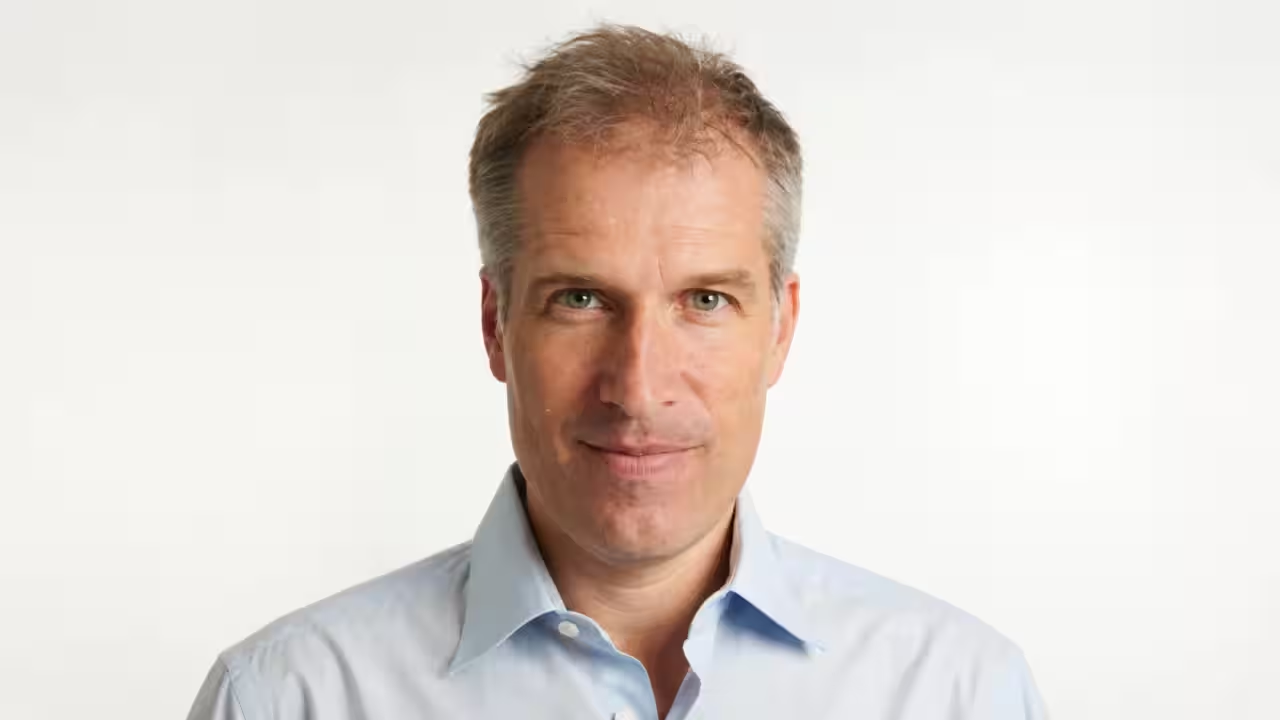
When Brian O’Kelley sold his technology company for $1.6 billion, he had the chance to join the ranks of the world’s wealthiest entrepreneurs. Instead, the AppNexus co-founder chose to keep less than $100 million and give the rest away to charitable causes. The decision followed a conversation with his wife about how much money they needed to live comfortably, and it reflected a view he has since expressed openly: he does not believe people need billions to have a good life. Now building another technology business, O’Kelley says he has no intention of becoming a billionaire, whatever his next venture earns.Brian O’Kelley set a personal wealth limit after the $1.6 billion AppNexus dealAppNexus was acquired by AT&T in 2018, marking a major milestone for the company O’Kelley had helped build. The transaction was valued at $1.6 billion, putting a substantial sum within reach of its founders and investors. O’Kelley held a 10% stake in the business, but he did not intend to retain everything that came his way from the sale.In an interview with Fortune, he explained that he and his wife discussed how much they needed to live comfortably before deciding what to do with the balance. They chose an amount they believed would cover their needs, including buying a home, and doubled it. The rest was donated to causes they supported.The result was a personal fortune of less than $100 million, according to O’Kelley. It was still enough to provide considerable financial freedom, but the decision meant that the AppNexus sale would not turn him into a billionaire.Why he does not want to become a billionaireO’Kelley has been direct about his position on extreme wealth. He told Fortune, “I don’t believe in billionaires. I think it’s just ridiculous.”“I don’t get why you need $200 billion, $500 billion, or even $1 billion.”His objection extends beyond the size of an individual's bank balance. He believes that accumulating more money than a person could reasonably use can become wasteful, particularly when so many people lack the resources to meet basic needs. For him, the issue is also what happens when wealth removes the everyday constraints that shape people's decisions.Without financial limits, people can lose the need to weigh up purchases, consider consequences or recognise the trade-offs that most households face.O’Kelley does not suggest that money itself is undesirable. His own decision to retain a substantial sum reflects the importance he places on security and comfort.Why Brian O’Kelley wants his children to understand the value of moneyThe entrepreneur has also considered how his financial position might affect his children.“I feel terrible because they get to fly business,” he says, adding at 6-foot-5, he does it for the comfort, but is uneasy about his children becoming accustomed to a life of luxury.“I’ve flown all around the world in coach so many times, this is me spoiling myself, but I don’t want to spoil my kids.”“And a lot of this comes back to me thinking about how life looks from their eyes. I want them to have a bit of that struggle that I had.”Although his family can afford comforts that would be beyond the reach of many households, he does not want his children to grow up assuming that every luxury is normal or readily available. He has spoken about feeling uneasy when his children fly business class. At 6ft 5in, he appreciates the additional comfort himself, particularly after years of travelling in economy class. But he is conscious that his children have not necessarily experienced the same financial constraints that shaped his own life.In his conversation with Fortune, O’Kelley said he wanted his children to understand some of the difficulties he had encountered rather than grow accustomed to a life in which money could resolve every inconvenience.Brian O’Kelley criticises billionaire lifestyles and excessive spendingO’Kelley has criticised the extravagant lifestyles associated with some of the world's wealthiest people, including private islands, helicopters, superyachts and multiple large homes. He questioned what people gain from owning so many expensive possessions, arguing that the scale of such consumption can become difficult to justify.He has also pointed to the social consequences of extreme wealth. In his view, being able to purchase almost anything can separate people from the circumstances that affect everyone else. Financial independence may offer freedom, but it can also make it easier to avoid the limits and responsibilities that come with ordinary life.For O’Kelley, accountability is an important part of remaining grounded. He told Fortune that he did not want to reach a point where money could shield him from consequences. He also questioned whether people could fully appreciate an endless supply of possessions, particularly when ownership extends far beyond what they can meaningfully use.Building another company without chasing a larger fortuneO’Kelley has continued working in technology since the AppNexus acquisition. He is now building Scope3, a company that focuses on data related to emissions across the supply chain. The business represents another chapter in his career, although he has said that its eventual success will not change his approach to personal wealth. He has indicated that even if Scope3 becomes immensely successful, he intends to give away the money rather than allow his fortune to grow into the billions. That commitment places a limit on what financial success means to him, at least in terms of personal accumulation.You use AI every day. Now get your AI Quotient. Take the AIQ test.
Topics in this story
Gathered from external sources. Rights to this text belong to whoever originally published it.