More than 1 billion pounds of US pumpkins are estimated to end up in landfills after Halloween each year, even though seeds and safely handled flesh can be used as food
More than 1 billion pounds of pumpkins end up in U.S. landfills after Halloween every year. Discover how to reduce waste and utilize pumpkins effectively, including food safety tips and composting strategies.
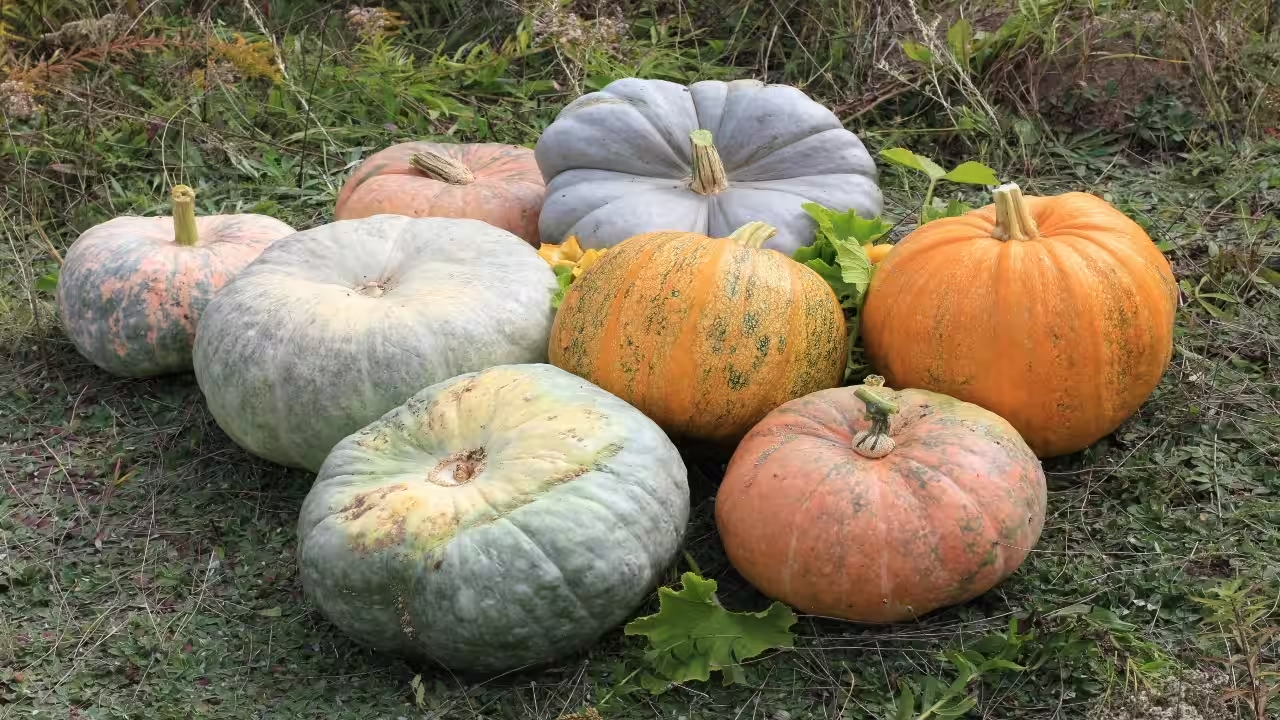
Halloween produces a lot of mess in its wake. Plastic costumes. Candy wrappers. And then, after a few weeks, the sagging jack-o'-lanterns that hang on porches until they collapse and start to develop fur. Few people think of discarded pumpkins as food waste, even though an intact pumpkin could have been cooked and its seeds roasted just days earlier. After Halloween, many are tossed into the garbage without a second thought.The Associated Press, citing the US Department of Energy, reported that more than 1 billion pounds (about 454 million kilograms) of pumpkins end up in American landfills each year after Halloween. That is a yearly projection, not a new 2025 tally, but it is big enough to make a difference. The problem is not just a wasted vegetable. As food decomposes in a landfill, methane is emitted. According to the EPA, food makes up roughly 24% of what goes into municipal landfills but about 58% of the methane that escapes from them.So what should happen to a pumpkin once the candle is blown out? The answer is a little more nuanced than simply eating it. Seeds are generally fine; the flesh depends on how the pumpkin was handled, and whatever is left can go to a compost heap or a farm instead of the bin.Why landfills make things worsePumpkins are mostly water, so they decay quickly. When buried under other waste with little oxygen, they decompose and release methane, a greenhouse gas that traps significantly more heat than carbon dioxide. The US Department of Energy has estimated that American pumpkin production is roughly 1.3 billion pounds a year. Because many pumpkins are discarded around the same time after Halloween, landfills receive a concentrated influx of wet food waste.The same analysis found that food waste contributes more methane than any other type of material in municipal solid-waste landfills. Methane emissions from landfilled food waste have also increased even as overall methane emissions from these landfills have declined. A stack of old pumpkins is a minor but perfectly avoidable source for a government attempting to cut methane.What is safe to eatSeeds are the low-hanging fruit. Michigan State University says any pumpkin seeds can be roasted and eaten as a snack. The meat is tougher. But after the pumpkin is carved, it’s considered a perishable item, and the university recommends not leaving it sitting between 40 and 140 degrees Fahrenheit, or 4 to 60 degrees Celsius, for more than two hours. So a jack-o’-lantern that has spent a night on the porch should be composted rather than fried. Oklahoma State University Extension offers similar advice, stating the flesh of a carved pumpkin is not safe to eat after sitting at room temperature for hours or days.A better way is to handle cooking and carving as two independent jobs. Carving pumpkins are often a different variety from pie pumpkins and are not bred primarily for eating. Their flesh tends to be stringier and milder in flavor than that of pumpkins used for cooking. Anyone who wants soup or pie can buy an extra pie pumpkin, cook it fresh, and save the big one for display. To utilize a carving pumpkin safely, cook the flesh right after carving it, before it has been left out for hours.Composting and farm donationLeftover pumpkins can be fed to animals or composted. Uncoated pumpkins can be donated to local farms for animal feed, while inedible leftovers can be composted. If you don’t have a heap of your own pumpkins, they can be dropped off at a farm, a compost bin or a collection location. First, remove candles, plastic, glitter and paint, as these contaminate the compost. Pumpkins are mostly water, so they need a balance of dry stuff like dried leaves, wood chips, straw or shredded cardboard. Without it, the pile gets stinky.For longer storage, University of Georgia Extension recommends freezing pumpkin; its seeds can also be dried or roasted. Mashed or pureed pumpkin should not be canned at home because no tested-safe method is available for those products. The message from the experts is pragmatic rather than preachy. Eat the seeds, cook an uncarved or pie pumpkin, send carved ones to a farm or compost heap, and keep them out of the bin. Do that, and a billion-pound problem goes down to something a lot smaller.You use AI every day. Now get your AI Quotient. Take the AIQ test.
Topics in this story
Gathered from external sources. Rights to this text belong to whoever originally published it.