Scotland quarry expansion uncovered a 2,000-year-old woman’s grave; archaeologists were stunned by its carefully built stone walls
UK News: A nearly 2,000-year-old carefully constructed stone-lined burial containing the remains of a woman has been discovered at a quarry in Sutherland, Scot.
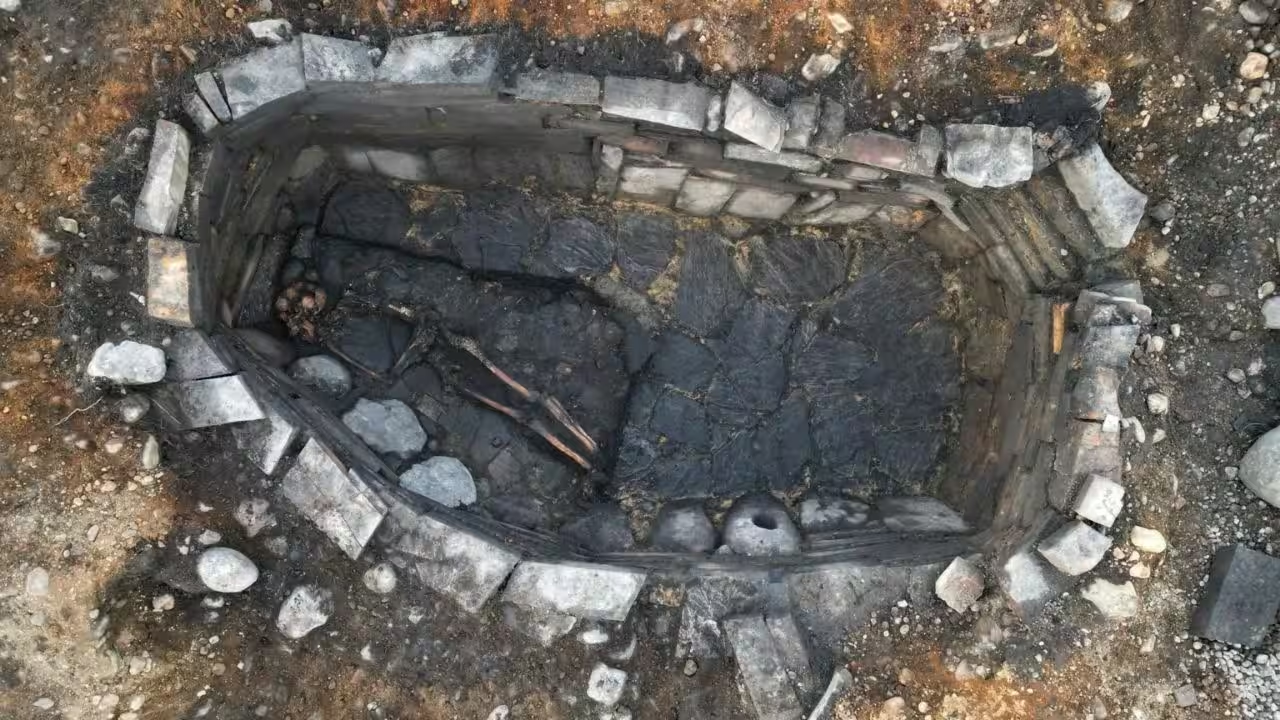
A nearly 2,000-year-old carefully constructed stone-lined burial containing the remains of a woman has been discovered at a quarry in Sutherland, Scotland, revealing an unexpected glimpse of life and death at that time. Archaeologists from Highland Archaeological Services(HAS) discovered Evelix, near Dornoch, while carrying out work ahead of a planned quarry expansion. The grave was found within an area where evidence of ancient settlement has also been identified, including features that may once have supported timber roundhouses. What caught the archaeologists’ attention was the unusual quality of the stonework. The structure was so neatly built that, at first, the team wondered whether it could have been modern. Instead, the construction style and archaeological evidence pointed towards the Iron Age, with the woman apparently having remained undisturbed for centuries beneath the ground.Discovery of the 2,000-year-old unique burial in ScotlandThe discovery was made during archaeological work connected with the planned expansion of the Evelix quarry near Dornoch. According to the BBC, HAS was working for local quarry firm ‘GF Job’ when archaeologists encountered the stone-lined structure. The location was already considered archaeologically important. The Highland Historic Environment Record shows that the wider Evelix area has produced evidence of prehistoric activity, including burial remains, cremation burials, pottery and features linked to earlier settlement. This newly discovered structure stood out because of its carefully constructed stone lining. Instead of looking like a simple hole dug into the ground, it had been deliberately built with substantial masonry. As per the BBC, archaeologist Lynne McKeggie said the team initially thought the structure might be modern because of how well the stonework had been put together. That first impression quickly changed once the remains and other evidence were examined.What did the Iron Age grave of a woman look likeThe structure was dug into sand and measured approximately 3 metres long, 2 metres wide and 1 metre deep, according to the BBC. A small stone staircase formed part of the construction, adding another feature to the burial. Inside, the remains of an individual were found tucked into one corner. The archaeological team believes the individual was a woman and that she may have lain there undisturbed since the Iron Age. The careful construction is one of the most striking parts of the discovery. The stonework had been fitted together so neatly that the archaeologists described the structure as ‘beautifully made.’ Its appearance raises questions about why so much effort was put into creating it.The Highland Historic Environment Record provides an important background to the discovery. The people who built the structure were working without modern machinery, yet they created a substantial stone-lined space with a staircase. The result survived beneath the landscape for roughly two millennia before quarry-related archaeological work exposed it. Earlier archaeological work at the Evelix quarry area had already shown that the landscape contained evidence of prehistoric activity.Absence of objects in the women’s graveThe burial does not appear to have contained a collection of obvious grave goods. The BBC reported that no objects were found inside the structure, although archaeologists did identify a large quantity of animal bone. The absence of objects does not make the discovery less significant. In fact, it leaves more questions about the purpose of the structure and the circumstances surrounding the woman's burial. The animal remains may provide useful evidence as further analysis takes place. The construction itself can offer clues about the importance of the site to the people who used it. The wider archaeological record for Evelix also shows that prehistoric burials and settlement activity had previously occurred in the area.What can the skeleton reveal about the womanThe remains could eventually provide a much more personal picture of the woman who was buried at the site. BBC reports that GF Job is funding further analysis of the human remains. Specialists will study the skeleton in greater detail, with the aim of learning more about the individual and the circumstances surrounding the burial. For now, many details remain unknown. Her exact age, background and life story cannot be established simply from the discovery itself. Those answers will depend on the scientific examination still to come. Archaeologists are using photographs and 3D scans to preserve information about the structure and the position of the remains.Once the further analysis has been carried out, the skeleton will be made available to Treasure Trove Scotland for potential allocation to a museum. What began as archaeological work ahead of a modern quarry expansion has revealed a carefully constructed resting place that had remained hidden for around 2,000 years. The woman's identity may never be known, but the grave itself has survived as a quiet reminder of the care and effort that people in Iron Age Sutherland could invest in remembering their dead.Catch the latest World News and Live updates. Download the TOI app.
Topics in this story
Gathered from external sources. Rights to this text belong to whoever originally published it.