US formally requests more information on death at Russia plague lab
The U.S. has sent a formal diplomatic complaint to the Russian government demanding more information regarding the death of a woman working at an antiplague research facility in Siberia and following reports of quarantine procedures, a source familiar told NewsNation, The Hill’s sister network. The Trump administration’s request came in the form of a demarche,…
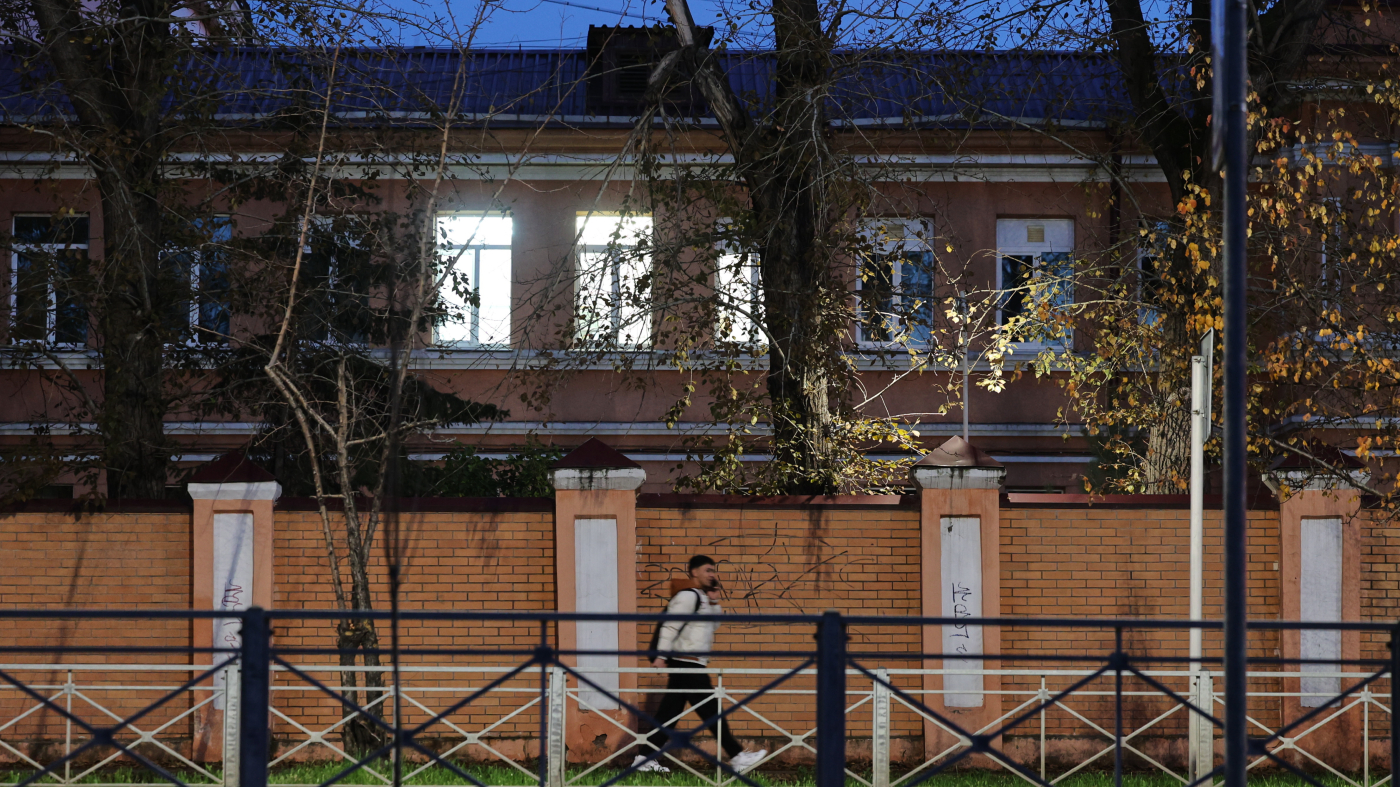
The U.S. has sent a formal diplomatic complaint to the Russian government demanding more information regarding the death of a woman working at an antiplague research facility in Siberia and following reports of quarantine procedures, a source familiar told NewsNation, The Hill’s sister network.
The Trump administration’s request came in the form of a demarche, an official diplomatic communication representing the U.S. position that can be used to protest or object to actions by a foreign government. The move signaled an escalation in efforts to receive credible information about the possible spread in Siberia of pneumonic plague, a highly infectious and fatal disease.
“We have officially requested additional information from the Russian government,” a State Department spokesperson told NewsNation when asked about the demarche.
“We are also in official communication with other countries around the world to share information.”
The demarche served to remind Russia of its obligations to share timely and complete public health information regarding dangerous infectious threats like plague to assess and prevent international spread, laid out in the World Health Organization’s (WHO) International Health Regulations.
Secretary of State Marco Rubio told reporters Tuesday that it was “incumbent” on Russia to share more information with the world. He said initial information provided by Moscow did not warrant alarm, but “it is cause for focus and a cause to just keep an eye on it, and we’re doing that.”
“We know what we know, obviously, about whatever the Russians have provided, which is it seems that there was a worker at the lab that was infected, and there’s concern that that could have spread, at least internally. So you’ve seen them do quarantines with this — of that nature,” he said.
“But like anything else, something like that gets out, it could quickly spread. So we’re watching and monitoring it closely.”
The State Department on Tuesday refreshed its travel warning for Russia in response to concerns over plague spread, reminding Americans that there is a Level 4 “Do Not Travel” for Russia and that the U.S. has limited resources to assist Americans in the country.
WHO Director-General Tedros Adhanom Ghebreyesus said Tuesday that his organization has been “actively following up” since a person died after being hospitalized with severe pneumonia in Irkutsk Oblast in Siberia.
“Initial media reports suggested pneumonic plague following an alleged accidental laboratory exposure,” Tedros said in a statement.
“In response to WHO’s verification request under the International Health Regulations, the Russian health authorities reported that no case of plague had recently been registered in Irkutsk oblast,” he continued.
The WHO has also stated that the risk to the general population appears low.
Russian officials have sought to reassure the public over the past few days, The Moscow Times reported .
Initial reports described a female employee of the Irkutsk Anti-Plague Research Institute of Siberia and the Far East hospitalized Sept. 29 with symptoms of severe pneumonia who died Thursday.
The lab worker was diagnosed with “pneumonia of unknown etiology,” according to a statement from consumer safety watchdog Rospotrebnadzor cited by Interfax, the Times reported.
And nearly 200 people were placed under medical observation for suspected contact with the deceased, the Times reported .
Rospotrebnadzor said laboratory analysis of material from the patient did not reveal any microorganisms associated with her work handling dangerous pathogens, the Times reported.
Topics in this story
Gathered from external sources. Rights to this text belong to whoever originally published it.