Pakistan, Iran made ‘significant progress’ to end US-Iran war, minister says
Pakistan and Iran on Tuesday announced that “significant progress” has been made toward ending the U.S.-Israeli war in Iran, according to Pakistan’s interior minister, Reuters reported. Field Marshal Asim Munir, Pakistan’s army chief, met with Iranian officials in Tehran about measures to prevent the conflict from growing and to reopen the Strait of Hormuz, which…
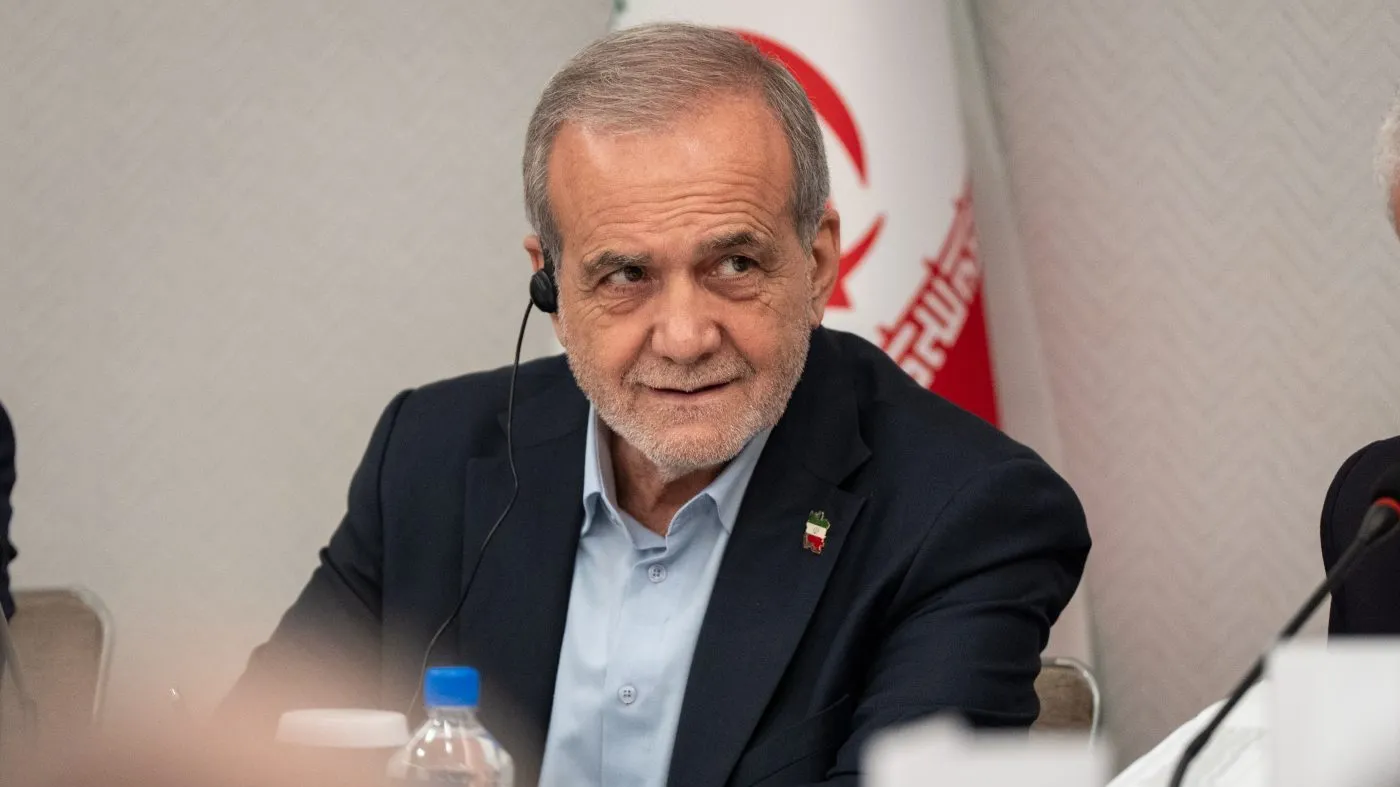
Pakistan and Iran on Tuesday announced that “significant progress” has been made toward ending the U.S.-Israeli war in Iran, according to Pakistan’s interior minister, Reuters reported .
Field Marshal Asim Munir, Pakistan’s army chief, met with Iranian officials in Tehran about measures to prevent the conflict from growing and to reopen the Strait of Hormuz, which has been closed under Iranian control, causing gas prices to skyrocket.
Interior Minister Mohsin Naqvi, who traveled with Munir, said their meeting with Iranian President Masoud Pezeshkian was “very positive and productive.”
“The Iranian President candidly shared his Government’s perspective and concerns, and we had a very constructive exchange on the issues involved,” Naqvi wrote on the social platform X . “Significant progress was made, and the meeting concluded on a highly positive note. We remain hopeful that this momentum will help pave the way for further progress and lasting peace in the region.”
Naqvi said the discussion focused on the conflict and a path forward for the region. He added that they talked about the steps needed to restore the interim peace deal signed by the U.S. and Iran in June, which expired last week.
Munir called President Trump ahead of the talks in Tehran, Reuters reported.
The Pakistani delegation’s visit comes as Iran and Oman announced a plan to allow navigation through the Strait of Hormuz and clear mines placed in the waterway. Omani Foreign Minister Badr al-Busaidi met with Iranian Foreign Minister Abbas Araghchi in Tehran about a “phased framework” for the strait.
“The proposed framework includes the establishment of a joint temporary navigational corridor through the Strait of Hormuz and an agreement to implement a joint project to clear the Strait of mines,” Oman’s Foreign Ministry posted on the social platform X .
Talks regarding the strait’s future would include an agreement on “a mechanism for information-sharing, traffic management, and the provision of relevant navigational and security services.”
“In this context, both sides underscored the importance of convening joint discussions with regional states bordering the waters of the Gulf,” the foreign minister’s office added. “They further stressed the need to uphold applicable international law and respect the sovereign rights of the coastal states.”
Trump previously threatened Oman over potentially striking a deal with Iran, warning the country that “we’ll bomb the s— out of them” if it “gets in the way.”
Iranian officials have insisted that the strait will reopen after Trump withdraws a U.S. naval blockade of Iranian ports, pays compensation for damages from the war, lifts sanctions and unfreezes assets.
The Trump administration has also warned other countries that they could face economic consequences if they do not cut off their financial ties to the Iranian regime. Treasury Secretary Scott Bessent on Monday announced “ Operation Economic Outcast ,” a new campaign to constrict Iran’s economy, but offered few specific details.
“Well, we are giving everyone the opportunity to remedy bad behavior, why would I want to blow up the global financial system?” Bessent said in response to a reporter’s question about the operation’s details.
Topics in this story
Gathered from external sources. Rights to this text belong to whoever originally published it.