Michael Sheen hopes reaction to toxic waste documentary spurs action
Dozens of people contacted BBC Wales following coverage of Sheen's investigation into chemical giant Monsanto.
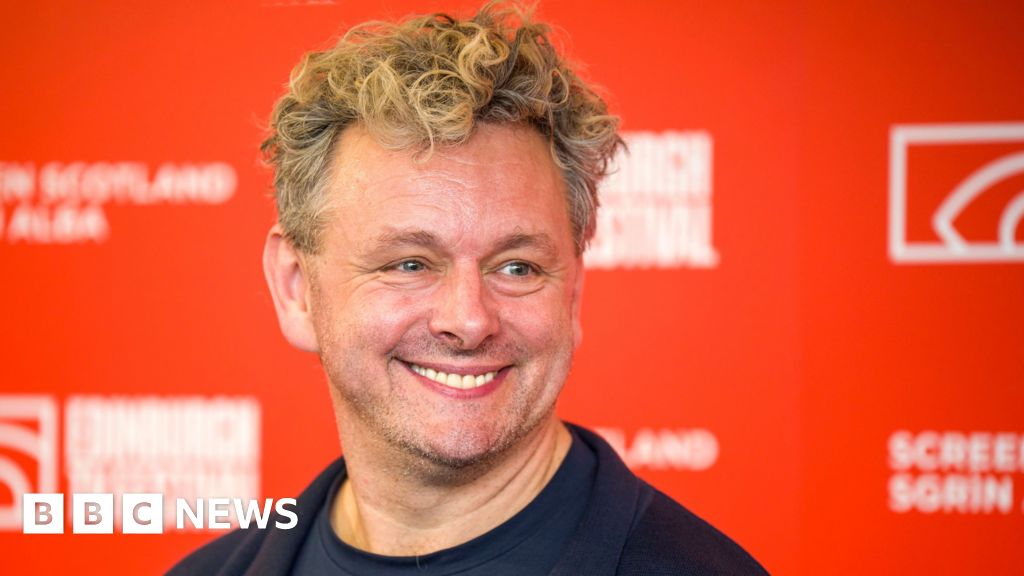
Michael Sheen has welcomed the reaction to his documentary investigating Wales' toxic waste legacy, saying he hopes it pushes the relevant authorities to "find a solution".
Dozens of people contacted BBC Wales following coverage of Sheen's investigation into chemical giant Monsanto and the dumping of polychlorinated biphenyls (PCBs).
One of them was a former Monsanto worker who spent three years helping to seal toxic waste underground and said staff had "cheap" protective equipment and were not told what they were burying.
Eastman Chemical Company, which is responsible for Monsanto's legacy production in the UK, did not respond to either Sheen and his team or the BBC when asked to comment.
Asked about the response to the documentary, Sheen said he wanted "to see something actually happen".
"So getting a response was a really important part of it, and hoping that response would push the people who are in positions to get on with it," he said.
Sheen said he had received "extraordinary messages" from people who wanted to tell their stories and how they had been affected.
"There's a lot of stuff for us to follow up," he said.
Sheen said he hoped "people in the more official areas" would respond as well and "work with us on it".
"We want to find a solution rather than something that keeps putting people in a position where they have to put breaks on because they can't afford to get involved in this, so we really want to find a solution to this."
Much of the documentary focuses on researcher and whistleblower Douglas Gowan, who tried to raise the alarm about 14 sites - 12 of which were in Wales - but died before his warnings were heeded.
"What he told me made my blood run cold," said Sheen, who spoke to Gowan months before he died.
Gowan, a former farming consultant, alleged that chemical giant Monsanto had dumped "huge amounts of industrial chemicals all around Wales".
Following coverage of the documentary, people contacted BBC Wales to speak about their experience, including Stephen Constance, 61, who worked at Monsanto's Newport factory in the 1990s.
He described working for the company as "absolutely dreadful".
Natural Resources Wales previously said "the legacy of historic industrial activity" in the UK and globally was an issue, most of which "took place before modern environmental regulations were in place", the "records can be limited and the nature of waste is not always fully known".
The Welsh government previously said that "addressing contaminated land" was a key priority.
Toxic waste sites exposed in Michael Sheen documentary are 'tip of the iceberg'
Off-roaders caught damaging protected site after posting videos to TikTok
What has happened in Plaid Cymru's first 100 days in power?
Topics in this story
Gathered from external sources. Rights to this text belong to whoever originally published it.