Your dandruff shampoo might help with breakouts, but there’s a catch
Anti-dandruff shampoos only treat one type of blemish: fungal acne. Shop the best dandruff shampoos from Head & Shoulders, Nizoral and Vanicream to treat fungal acne.
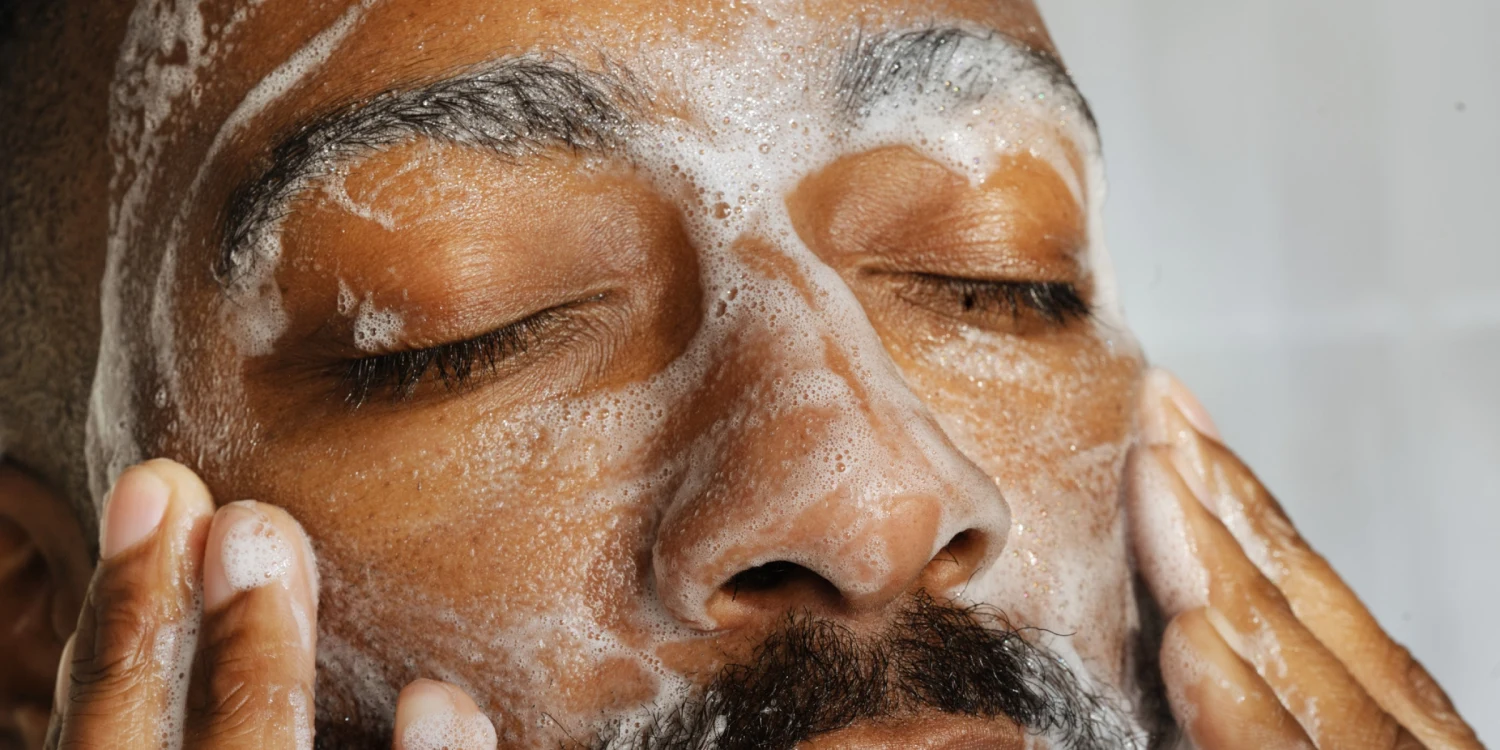
With all the content available online these days, it can be hard to figure out what’s real and what’s hype. While we don’t always have the answers, we have a direct line to people who do — which is why we present to you our series The Internet Made Me Ask, where we have experts break down the truth about some of the buzziest trends (and questions) on our timelines, like whether you need pet laundry detergent to clean your dog’s things. Sometimes, the most surprisingly effective products for your skin aren’t found in the skin care aisle. Dandruff shampoos have become a viral hack for treating acne-like breakouts, with people using them as both face and body washes. But can swapping your face wash for a bottle of Head and Shoulders actually help your skin? While certain ingredients in dandruff shampoos may help with fungal acne, they won’t necessarily work for every type of blemish. I asked dermatologists to explain why dandruff shampoos may work for acne and when you’re better off sticking with traditional acne treatments. Want more from NBC Selected? Sign up for our newsletter, The Selection, and shop smarter. Why are people using dandruff shampoo for acne? The idea took off on social media because there are actual results: “Many people have been fighting stubborn, itchy bumps for months with acne products that never worked, then try an inexpensive drugstore shampoo and see clearer skin within a couple of weeks,” says Dr. Mona Foad, board-certified dermatologist and founder of MONA Dermatology. “That kind of before-and-after is made for TikTok. The bottom line is that dandruff shampoo is a fantastic tool for fungal acne, but it is not an acne treatment.” Can dandruff shampoo actually treat acne? Yes, anti-dandruff shampoo can treat acne, but only one specific type of breakout: fungal acne. “Fungal acne, which we call Malassezia folliculitis, isn’t true acne at all,” says Foad. It’s caused by an overgrowth of the same yeast (Malassezia yeast) responsible for dandruff, which is exactly why dandruff shampoo works on it. The overgrowth of yeast causes inflammation and infection around the hair follicle on your scalp, forehead, chest and back, causing small red bumps that are usually mistaken for regular acne, says Katharine Perry, board-certified nurse practitioner at MONA Dermatology. But it doesn’t treat traditional acne (called acne vulgaris), which is driven by oil, clogged pores, bacteria and inflammation. That means someone with hormonal acne, blackheads or deep, painful pimples probably won’t see the same results, says Dr. Ariel Ostad, New York City-based dermatologist and reconstructive surgeon. “Many people actually have both types of acne at the same time, which is why some see partial improvement and assume the shampoo is working,” says Foad. “The bottom line is that if you have blackheads, whiteheads or deep, painful cysts, you need a true acne treatment.” Even for fungal acne, it controls the problem rather than cures it. “Malassezia yeast lives on everyone’s skin naturally, so the goal is to keep it in balance, not eliminate it,” says Foad. If you stop treating fungal acne entirely, it usually comes back, especially in hot, humid weather. So, think of dandruff shampoo as a management tool with ongoing maintenance, rather than a one-time cure, says Foad. Best dandruff shampoos for fungal acne Best overall This shampoo, which has 1% ketoconazole, is one Foad regularly recommends to her patients dealing with fungal acne on their face or body. “The key is using it as a short-contact mask, not a regular cleanser,” she says. “Lather it onto the affected areas, leave it on for three to five minutes, then rinse thoroughly. That contact time is what allows the active ingredient to work.” For the face, Foad recommends keeping it targeted and limiting it to a few times a week to avoid dryness. Best for sensitive skin Those with sensitive skin have to be careful with which anti-dandruff shampoo they use on their skin. This Vanicream shampoo is a mild option that has 2% pyrithione zinc, which has antifungal properties and targets itchiness and inflammation. It also has panthenol and glycerin to avoid overly drying out your skin, according to the brand. It’s also free of common irritants like dyes, parabens and sulfates. Best cooling This Selsun Blue shampoo comes recommended by Foad, who says the 1% selenium sulfide in its formula slows yeast growth and skin cell turnover, which can treat fungal acne and reduce flaking and scaling on your skin. It also has menthol, which feels cooling on the skin and helps reduce mild itchiness. Best budget-friendly This is a classic for a reason: Head and Shoulders’ anti-dandruff shampoo lathers well, smells good and has zinc pyrithione, which has both antifungal and antibacterial properties, says Foad. It’s also under $10, making it one of the most affordable options on this list. The shampoo combats dryness, relieves irritation and itchiness, reduces flakes and redness, and controls oil. What ingredients in anti-dandruff shampoo can help treat fungal acne? Not every dandruff shampoo has the same active ingredients, so the results can vary from product to product. The ingredients commonly in anti-dandruff shampoos that help treat fungal acne are: Ketoconazole: This is one of the most well-known ingredients in anti-dandruff shampoo. It’s an antifungal medication that helps control the yeast associated with dandruff and certain conditions that look like acne. “Ketoconazole has some of the strongest evidence for treating fungal acne,” says Ostad. Selenium sulfide: This reduces yeast growth and is sometimes used for fungal skin conditions, like seborrheic dermatitis and scalp ringworm. However, it has a strong odor and can discolor metal jewelry, so remove rings and necklaces first, says Foad.Zinc pyrithione: Like the others, this ingredient helps reduce yeast, inflammation and excess oils. While zinc pyrithione has mild antibacterial properties, it isn’t a substitute for benzoyl peroxide or a retinoid to treat traditional acne. What about salicylic acid in dandruff shampoos? Some anti-dandruff shampoos have salicylic acid, which can help treat scalp conditions like dandruff, dermatitis, scalp acne and psoriasis, experts say. It’s also a common acne-fighting ingredient that exfoliates dead skin and helps clear clogged pores. However, that doesn’t necessarily mean a dandruff shampoo with salicylic acid should double as an acne cleanser: Shampoos are formulated for the scalp and may have fragrance, strong surfactants and conditioning agents that can irritate acne-prone skin or even clog pores, says Foad. “Some also contain 3% salicylic acid, which is higher than the 0.5% to 2% range used in over-the-counter acne products and can be too harsh for the face,” she says. Using a medicated shampoo is also not a good idea if you’re using other acne products: “That’s when we start to see dryness, stinging and a really unhappy skin barrier,” says Perry. For body acne, a salicylic acid shampoo can work in a pinch on tougher areas like the back and chest, but a product designed for your skin will always be the better option, says Foad. In other words, a salicylic acid shampoo isn’t usually interchangeable with a salicylic acid acne cleanser or body wash just because they share the same active ingredient. How can you tell fungal acne from regular acne? Fungal acne and regular breakouts look very similar, but their causes are very different. In fact, fungal acne isn’t even acne at all. “Fungal acne happens when yeast that naturally lives on the skin grows excessively and causes inflammation around hair follicles,” says Ostad. That can create small, itchy bumps that look similar to pimples, especially on the forehead, chest and back. Traditional acne, on the other hand, is driven by oil, clogged pores, bacteria and inflammation. It’s not usually itchy like fungal acne is, and they’ll sometimes appear as whiteheads and blackheads (while fungal acne does not). Can you use dandruff shampoo as a face wash? Yes, and the dermatologists I spoke to actually recommend it often. “When someone has a confirmed diagnosis of fungal acne on the face, chest or back, a medicated shampoo is one of the most effective and affordable treatments available,” says Foad. It’s not limited to fungal acne either; for example, someone with seborrheic dermatitis may experience redness, flaking and irritation around the nose, eyebrows or hairline. Because yeast can contribute to this condition, an antifungal shampoo may help reduce those symptoms, says Ostad. Meet our skin care experts At NBC Selected, we work with experts who have specialized knowledge and authority based on relevant training and/or experience. We also take steps to ensure all expert advice and recommendations are made independently and without undisclosed financial conflicts of interest. Dr. Mona Foad is a board-certified dermatologist and founder of MONA Dermatology in Cincinnati, Ohio.Katharine Perry is board-certified nurse practitioner at MONA Dermatology.Dr. Ariel Ostad is a New York City-based dermatologist and reconstructive surgeon. Why trust NBC Selected? I’m a commerce editor at NBC Selected who has covered beauty and wellness for more than six years. I’ve spoken to hundreds of dermatologists and skin care experts to determine the best ways to treat skin and hair conditions like acne, dermatitis, dandruff and more. For this story, I spoke to three experts about whether dandruff shampoos treat acne and how to use them. Catch up on NBC Selected’s in-depth coverage of tech and tools, wellness and more, and follow us on Facebook, Instagram, X and TikTok to stay up to date.
Topics in this story
Gathered from external sources. Rights to this text belong to whoever originally published it.