Crash course
Birds almost never crash into each other while flying.
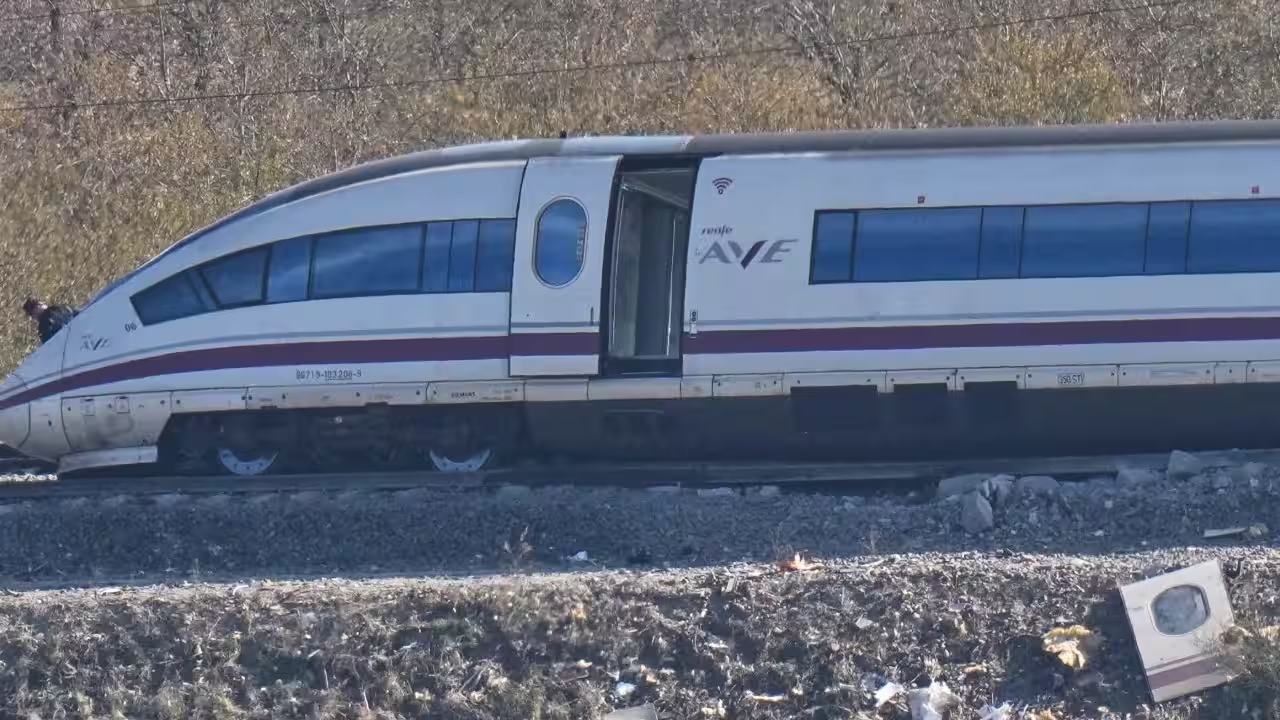
Birds almost never crash into each other while flying. Ten years ago, researchers at the University of Queensland made parakeets fly towards each other inside a tunnel 102 times. Not once did they collide. Humans, despite having advanced technology, are not so good at avoiding crashes. On Thursday, two helicopters collided in Oregon. On Wednesday, a train accident in Spain killed nearly 70 people. In March, an Air Canada plane hit a fire truck at New York’s LaGuardia airport, killing both pilots. Last year, a US military helicopter and an American Airlines plane crashed into each other near Washington DC, killing 67 people.Parakeets avoid crashes by turning right. But what do humans do when there is a crowd, say, at a train door? We often get in each other’s way. That is why we need outside systems to manage traffic, such as red and green lights. When the Spanish trains crashed, their computerised safety system, called LZB, was not working. Reports also say that a human controller had allowed one train to travel at 200kmph. At LaGuardia airport, two air traffic controllers (ATCs), who guide planes, had left their seats. In the Washington crash, the military helicopter did not have a system to warn it about other aircraft.Since humans cannot always avoid accidents on their own, we need to invest more in technology and systems that prevent collisions. But the US had 6% fewer air traffic controllers last year than in 2015, even though it had 10% more flights. Its equipment for communicating with aircraft is so old that a breakdown in September forced thousands of flights to stop. In India, the government admitted in February that it had 23% fewer ATCs than needed. Of 5,537 posts, 1,279 were vacant.Strangely, while public transport safety systems are struggling, the world is spending heavily on making cars safer. One estimate says that by 2035, 94% of new cars around the world will have advanced systems to help drivers avoid accidents. India also wants to make these systems compulsory from 2032. This is a good step. But trains, planes and other forms of public transport also need much more attention.Disclaimer: Views expressed above are the author's own.
Topics in this story
Gathered from external sources. Rights to this text belong to whoever originally published it.