Iceland rejects EU membership plan in referendum, public broadcaster reports
Iceland has rejected the government’s proposal to hold accession talks with the European Union, public broadcaster RUV reported on Sunday with only a small number of votes left to count.
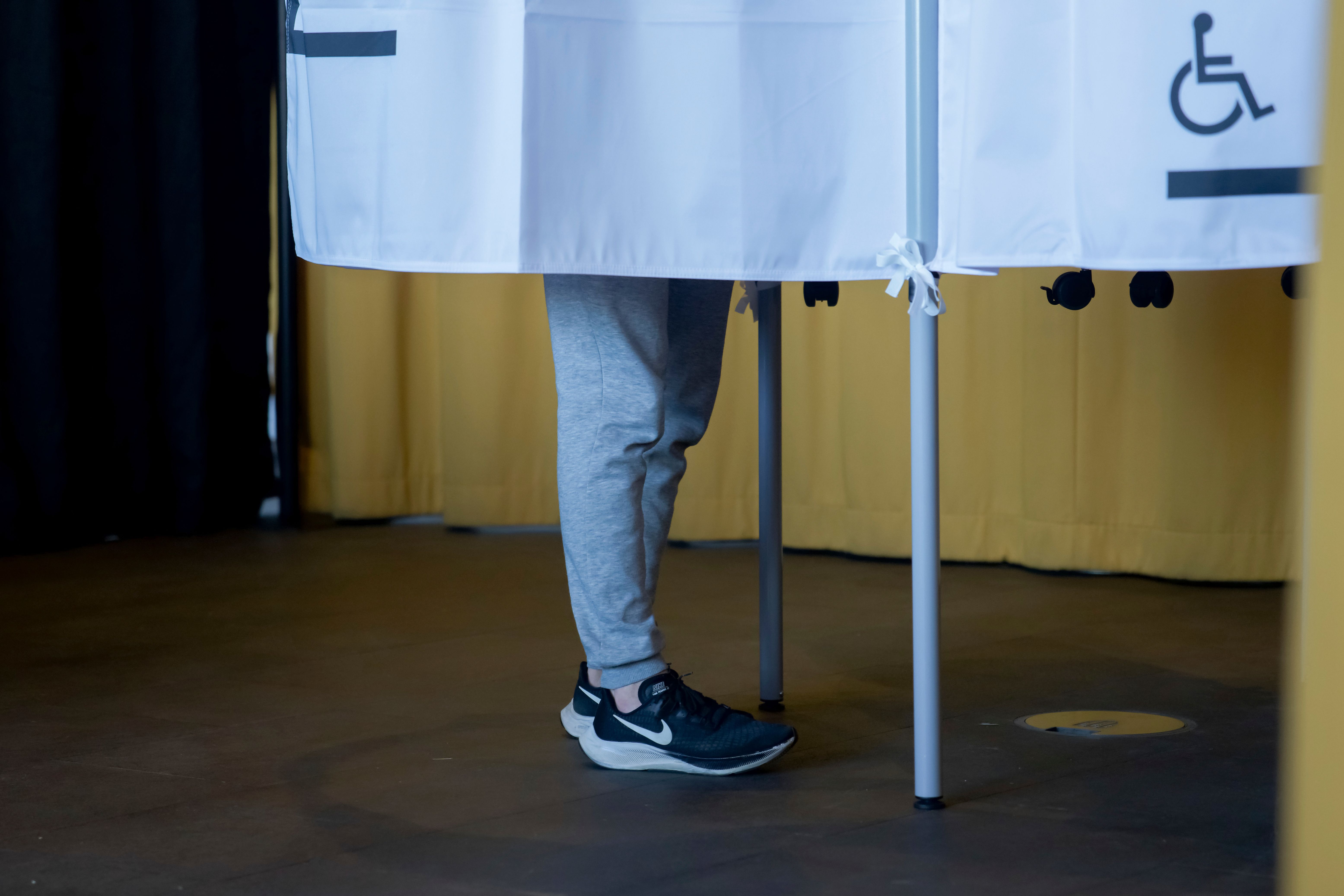
Icelanders have voted to stay out of the European Union, broadcaster RUV reported on Sunday, rejecting a government push to reopen membership talks and siding with those who said Iceland’s fishing waters were too important to risk. A ‘no’ vote will disappoint Brussels, as some officials had cast Iceland as a low-risk case that could help ease scepticism toward EU enlargement and strategically strengthen the bloc when Arctic security is in focus. The government had framed its membership plan as a “now or never” moment, and Prime Minister Kristrún Frostadóttir told voters in August that a “no” would put all EU speculation aside. “Yes” campaigners have said joining the bloc could ease high interest rates and offer more security in a world unsettled by war in Ukraine and US President Donald Trump’s rhetoric about annexing another Arctic island Greenland. “No” campaigners said EU membership would threaten the island’s sovereignty and fishing waters. The referendum campaign has fueled debate about Iceland’s place in the world, Frostadóttir told reporters after casting her ballot in the capital on Saturday. “This is a great day. We’ve been waiting for this for years to be able to have a vote,” Frostadóttir said, adding that her government would continue its work regardless of the outcome. Iceland first applied to join the EU in 2009 when a financial crisis hit the country’s small, exposed economy. A Eurosceptic government ended talks in 2013. Geopolitical turmoil including war in the Middle East and US import tariffs has brought urgency to an issue Icelanders have debated on and off for decades. This story had been updated.
Topics in this story
Gathered from external sources. Rights to this text belong to whoever originally published it.