Treasury Department says Iran’s economy cratering, inflation at 90 percent
The U.S.’s economic isolation campaign against Iran is “decimating” the country’s economy, according to a Treasury Department report released Friday. The Trump administration launched its sweeping economic pressure campaign, dubbed Operation Economic Outcast, at the end of August. During a Wednesday appearance on CNBC, Treasury Secretary Scott Bessent said the effort has been “very successful.”…
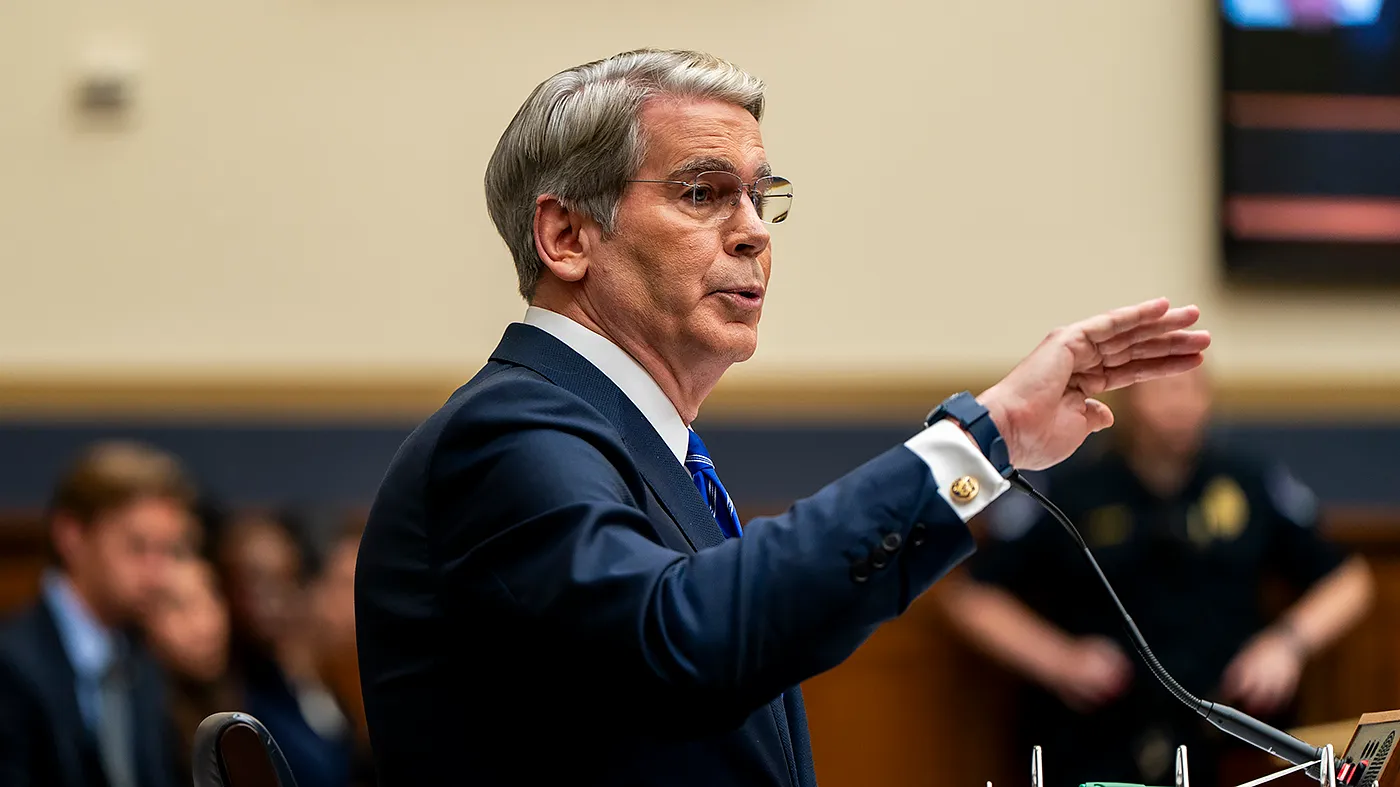
The U.S.’s economic isolation campaign against Iran is “decimating” the country’s economy , according to a Treasury Department report released Friday.
The Trump administration launched its sweeping economic pressure campaign , dubbed Operation Economic Outcast, at the end of August. During a Wednesday appearance on CNBC, Treasury Secretary Scott Bessent said the effort has been “very successful.”
The Treasury Department report found that Iran’s headline inflation, which measures the overall increase in prices across all goods and services in an economy, reached 90 percent in September after the operation was announced.
Before the U.S. and Israel set off the conflict with joint strikes on Tehran at the end of February, headline inflation in Iran was sitting at around 70 percent. Core inflation, which excludes volatile items like food and energy, was just above 70 percent in September.
“As the rial loses value and Iran’s access to international markets narrows, inflation is placing additional pressure on Iran’s already strained economy,” the report stated. “Rising prices are eroding purchasing power and increasing the cost of basic goods, while making it more expensive for Iran to obtain goods and inputs from abroad.”
The unofficial rial exchange rate hit 2,687,000 Iranian rials per U.S. dollar in October, according to the Treasury Department.
The report also indicated that Tehran’s oil supplies have taken a hit amid U.S. sanctions and a months-long U.S. naval blockade in the Strait of Hormuz, a key oil trading corridor.
The department said Iran has not loaded any oil onto vessels since Aug. 25, the day after Bessent announced Operation Economic Outcast. Iran is left with “nothing” after it sold its oil that was stranded at sea, according to the Treasury Department report.
Iran’s aviation sector and formal financial sector have also been mired by the U.S.’s efforts to crush the country’s economy. The Treasury Department said it is also targeting “alternative channels” Iran has sought out to move money and skirt restrictions.
“By identifying and disrupting cryptocurrency exchanges, wallets, financial facilitators, and other digital-asset infrastructure used to circumvent sanctions, Treasury is making it increasingly difficult for the regime to replace traditional financial channels with new ones,” the report stated.
Critics of the Trump administration’s military and economic campaigns against Iran have pointed to domestic fiscal impacts, including the rising cost of fuel. The average price of a standard gallon of gas in the U.S. was up to $4.20 Friday afternoon, around a 38 percent increase from a year ago, according to AAA .
Topics in this story
Gathered from external sources. Rights to this text belong to whoever originally published it.