In 1905, a copper rush created Chloride City in Death Valley; within a year, the settlement had become a ghost town
In 1905, a mining rush brought prospectors to Chloride City in California’s Death Valley, where they hoped to make money from mineral deposits in the
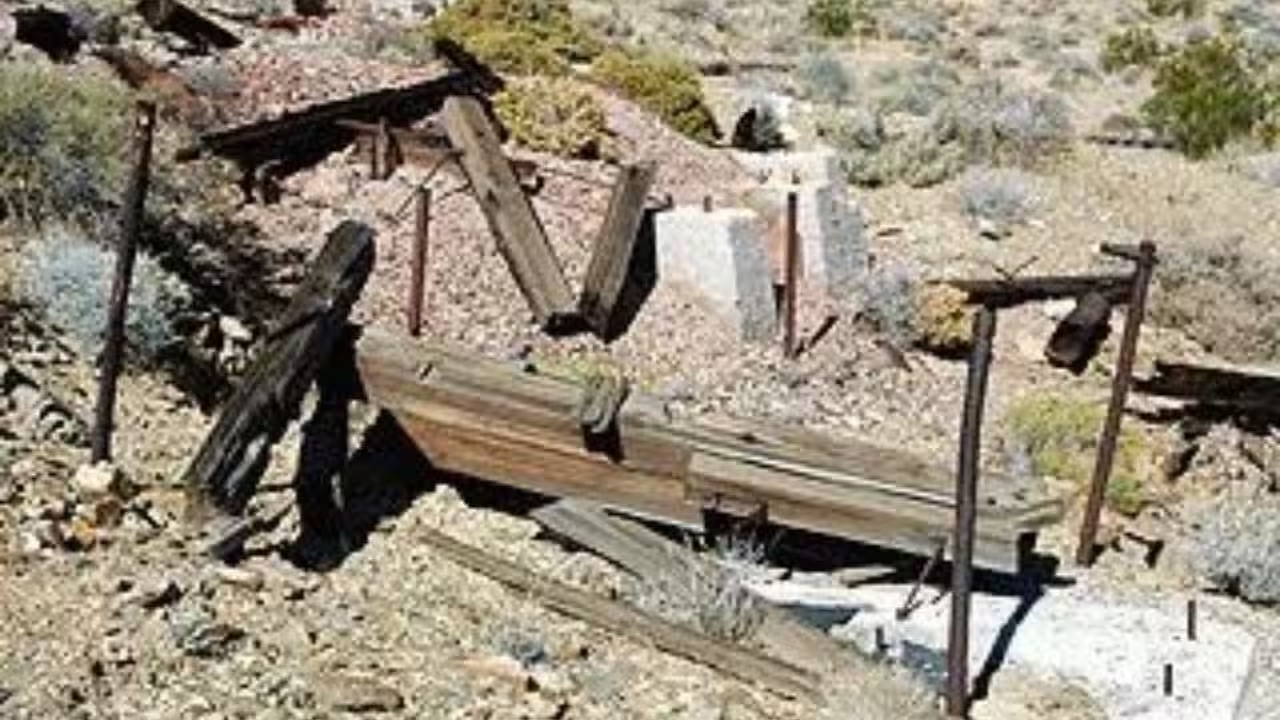
In 1905, a mining rush brought prospectors to Chloride City in California’s Death Valley, where they hoped to make money from mineral deposits in the surrounding mountains. The settlement developed as a base for nearby mining operations, attracting workers who believed the area could support a profitable industry. However, the excitement did not last. Within a year, mining activity had declined, leaving the settlement largely abandoned. Today, collapsed buildings, abandoned mine workings and the remains of stamp mills offer a glimpse into the short-lived community that once occupied this remote desert landscape.How did the mining rush establish Chloride City in Death ValleyChloride City emerged during a period of renewed interest in mining across Death Valley and neighbouring Nevada. According to the National Park Service, the discovery of gold in the Bullfrog district in 1904 encouraged prospectors to revisit older claims and search for new deposits.NPS confirms that Chloride City became a settlement in 1905 as prospectors arrived to rework abandoned mining claims. Rather than beginning as an established town, it developed to support people working in the surrounding mining district.The area around Chloride Cliff had attracted attention even before this rush. Mining activity around the site increased as prospectors explored the Funeral Mountains and attempted to establish profitable operations.The settlement occupied a wide, shallow saddle about 4,800 feet above Death Valley. Although its elevated position offered views across the surrounding landscape, the location was exposed to strong winds and harsh winter weather.The settlement faced difficult living conditionsChloride City remained small even during its brief period of activity. NPS records that the settlement contained no more than 4 wooden buildings at its peak in 1906. There were also 2 dugouts and several places where miners had pitched tents.The buildings served the needs of a community whose existence depended almost entirely on nearby mines. Chloride City did not develop into a large commercial centre with extensive services. Instead, it provided temporary accommodation and support for people exploring and working mineral claims.Daily life was difficult because essential resources were not readily available. Water had to be transported from Keane Springs, about 3 miles north of the settlement. Wood was brought from approximately 10 miles away because the surrounding area offered little readily available timber.These supply problems increased the effort and expense involved in operating the mines. Workers needed water for themselves and their activities, while mining companies had to arrange transport for equipment and other materials.Despite these challenges, the mineral claims initially appeared promising. Development continued at nearby mines during the early months of 1906, as companies assessed the deposits and considered how to extract and process the ore.Why did Chloride City become a ghost town so quicklyChloride City’s future depended on the success of the surrounding mines. As long as mining companies continued operating, workers had a reason to remain in the settlement. Once the mines stopped producing, there was little to sustain the community.According to NPS, the Bullfrog Cliff operation reported that it had enough ore to support a small mill during the early part of 1906. The company also purchased water rights near Keane Springs, suggesting that mining activity could continue to develop.However, the wider mining industry faced financial difficulties. The San Francisco earthquake and fires in April 1906 disrupted economic activity and added to the challenges faced by businesses seeking investment.The Death Valley Mining and Milling Company shut down its operations in late July 1906. With local mining activity suspended, Chloride City lost the economic foundation on which it depended. By the end of that year, the settlement had become a ghost town.Abandoned mines preserve traces of the settlementAlthough Chloride City ceased to function as a community, evidence of its mining history remains scattered across the site. The NPS and the Death Valley Natural History Association identify the remains of 3 stamp mills among its surviving features.Stamp mills were used to crush ore-bearing rock into smaller pieces so that valuable minerals could be recovered. Their remains indicate the efforts made to process the material extracted from nearby mines.The surrounding area also contains mine openings, waste-rock piles and prospect holes. These features reflect the scale of exploration undertaken during the settlement’s short period of activity.Another surviving feature is the grave of James McKay. Little is known about him. His age, the circumstances of his death and the time when he died remain uncertain.The settlement’s wooden buildings eventually collapsed and much of their timber was removed. Some materials were reused when mining activity returned to the area during the 1910s and 1930s. These later operations did not restore Chloride City as a permanent town. Instead, the site continued to reflect the temporary nature of mining settlements.The Death Valley Natural History Association describes abandoned mining sites as outdoor museums that preserve evidence of the region’s past.You use AI every day. Now get your AI Quotient. Take the AIQ test.
Topics in this story
Gathered from external sources. Rights to this text belong to whoever originally published it.