JB Pritzker is turning midterm money into potential 2028 leverage
Illinois Gov. JB Pritzker (D) may be trailing some of his potential 2028 Democratic presidential rivals in the early polling of the race. But as he mulls a White House bid, the billionaire governor is leading the midterms money war, pouring millions of dollars into Democratic campaigns. It’s a move that could pay political dividends for…
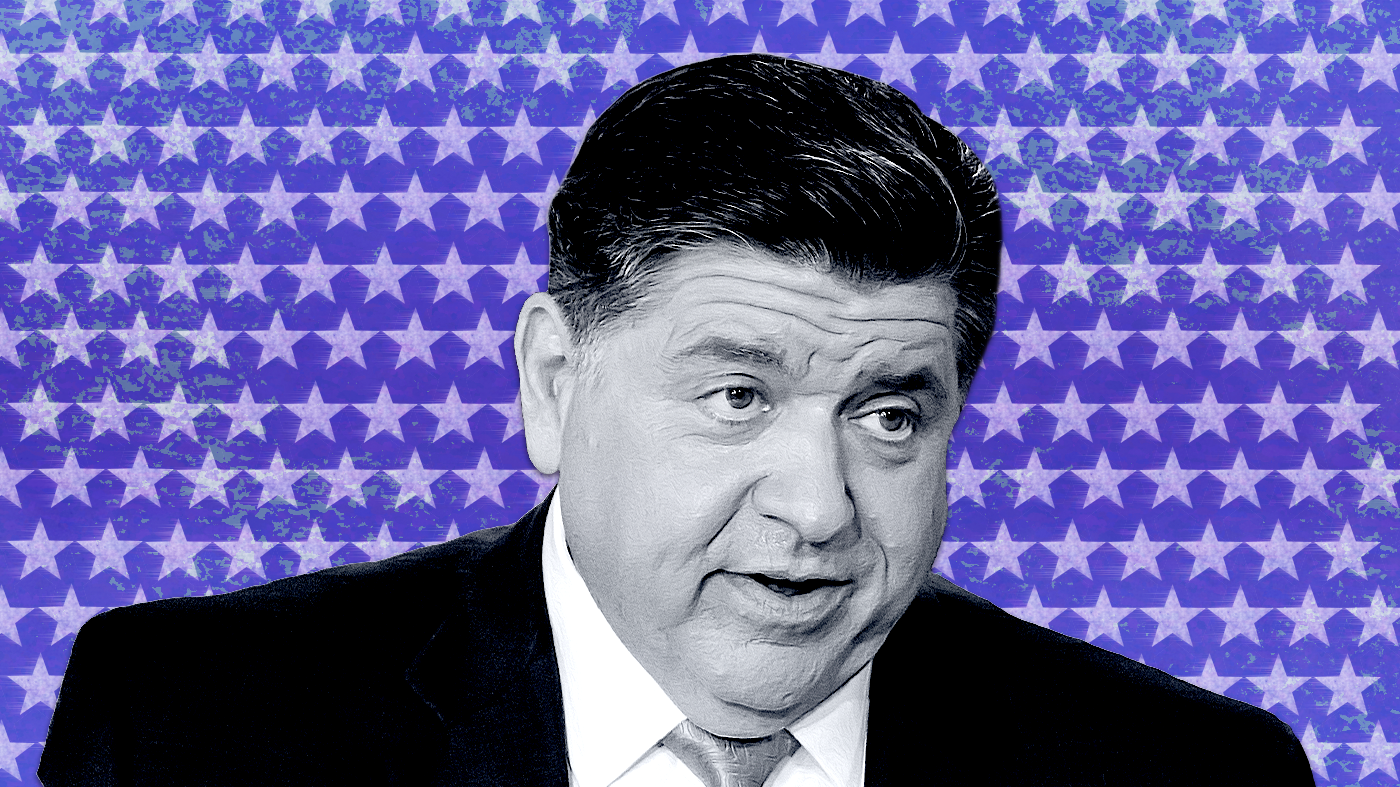
Illinois Gov. JB Pritzker (D) may be trailing some of his potential 2028 Democratic presidential rivals in the early polling of the race.
But as he mulls a White House bid, the billionaire governor is leading the midterms money war, pouring millions of dollars into Democratic campaigns. It’s a move that could pay political dividends for him should he decide to run in 2028.
Pritzker has spent more than $38 million during the 2026 midterm cycle — including in battleground states like Michigan, Nevada and New Hampshire, which also happen to be three early-voting states on the Democratic calendar.
He has helped Democrats in red states too. Pritzker donated $100,000 to Lone Star Rising, a super PAC backing Democratic Senate candidate James Talarico in Texas.
Reuters reported last week Pritzker has also put in $65 million of his own money into his gubernatorial campaign, which he is expected to win handily.
Pritzker, who is worth an estimated $4.2 billion, is an heir to the Hyatt Hotels fortune and has long been one of the party’s biggest donors. And Democratic strategists say that financial advantage could help him build relationships and goodwill as he enters a Democratic primary.
“It doesn’t guarantee him support, but it guarantees people will give him a real listen if he decides to run,” said Steve Schale, the veteran Democratic strategist who led former President Obama’s campaigns in Florida. “It buys you a good list to start from, and you just want to build that list as large and as deep as you can. And for Pritzker, that’s a huge advantage.”
Democratic strategist Basil Smikle agreed, saying that it helps Pritzker to be “invested in Democratic victories that could create friendly territory in a primary.”
“For all those investments in specific districts or through groups doing work in specific areas, the association can create zones of familiarity and favor.”
But, Smikle added, “It doesn’t guarantee endorsements — especially early ones that help create distance from other candidates.”
While Pritzker has been the biggest checkwriter, other 2028 contenders have been throwing some financial weight behind various midterm efforts and candidates.
As of earlier this month, California Gov. Gavin Newsom (D) has raised $6.5 million for nearly all state parties, progressive groups and candidates just through his massive email list of small donors alone, one source close to the governor said.
Newsom has built the list over the last few years, and while the number of donors is unknown, it’s said to be among the largest in the Democratic Party, and something that will help boost Newsom’s prospects should he enter the race.
Rep. Alexandria Ocasio-Cortez (D-N.Y.) — who is deciding if she’ll launch a White House bid or a race for the upper chamber, possibly against Senate Democratic Leader Charles Schumer (N.Y.) — last week donated $1 million to Michigan Senate candidate Abdul El-Sayed (D), her largest donation this cycle.
Giving money to political candidates in a bid to create allies has been a tool used by other billionaires.
And while it can certainly help a candidate, there’s no guarantee of success.
Big donations didn’t help former New York City Mayor Michael Bloomberg, who spent more than $1 billion of his own money in 2020 but flamed out quickly in the Democratic presidential primary. It also didn’t ultimately serve California billionaire Tom Steyer (D), who invested $340 million into his campaign that same year.
“Mike Bloomberg and Tom Steyer spent more than a billion dollars between them in 2020 and didn’t win a single state,” said Democratic strategist Anthony Coley. “They’re proof that money can get you a microphone in a Democratic primary, but it can’t buy you the voters.”
“2028 will be a change election,” Coley added. “Voters will want a fighter with a compelling vision for where the country goes next, and the ability to connect, authentically, with people wherever they get their news. Money can help with that. But history says it’s only one part of the equation.”
Democratic strategist Brad Bannon said independent expenditure groups have changed the dynamics heavily for candidates.
“Being number one in personal fundraising is not as much as a boost as it used to be,” Bannon said. “One stroke of a keyboard could eliminate his financial edge in a flash.”
Still, he added, “It’s always better to be first in fundraising, like Pritzker is, than last.”
Topics in this story
Gathered from external sources. Rights to this text belong to whoever originally published it.