Supreme Court set to pare back federal inmates’ ability to sue officials
The Supreme Court appears likely to bar prison inmates from suing government officials who deny them medical treatment.
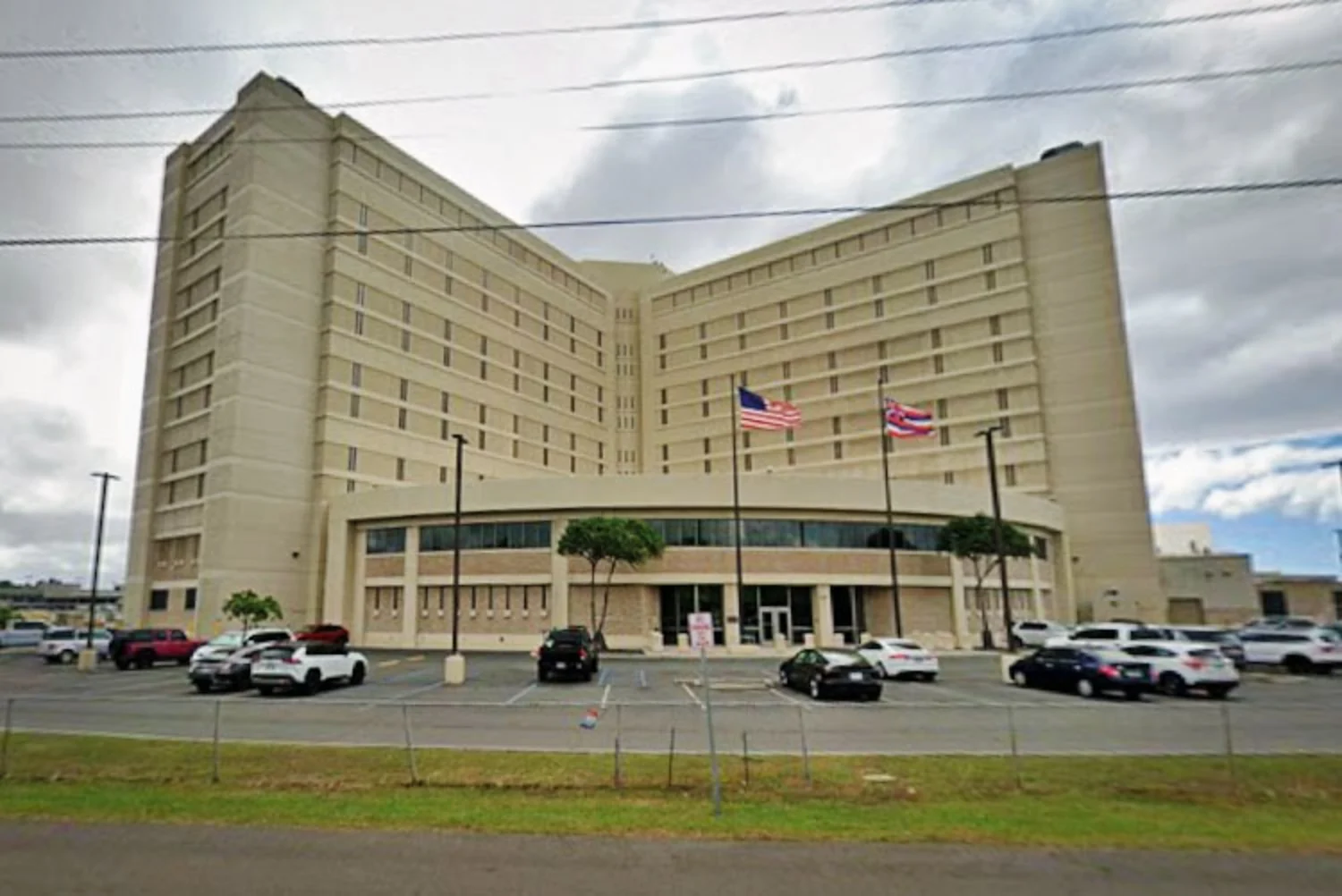
WASHINGTON — The Supreme Court on Monday appeared likely to bar federal prison inmates from suing officials who deny them medical treatment in the latest case seeking to roll back the ability to hold federal officials accountable for alleged constitutional violations. The court heard oral arguments over a claim brought by a former federal prison inmate, Kekai Watanabe, who alleges he was denied medical treatment by officers at a Honolulu-based facility in July 2021 after he was beaten by other prisoners during a gang riot. The case focuses on the scope of a 1971 Supreme Court ruling called Bivens v. Six Unknown Fed. Narcotics Agents, which for the first time allowed people to sue federal officials, including prison officials, for civil rights violations. The Trump administration’s recent immigration crackdowns have again put the spotlight on the lack of avenues for accountability for agents who face accusations of violating the Constitution. In Monday’s arguments, the court appeared likely to continue with its recent line of cases that have pared back so-called Bivens claims. Although the court may not overturn the Bivens decision itself, it seems likely to nullify a 1980 Supreme Court ruling that expanded on it, called Carlson v. Green. Then, the justices said federal prison inmates could sue officials for deliberate indifference to their medical needs under the Constitution’s Eighth Amendment, which protects against cruel and unusual punishment. That ruling applies only to federal prison inmates, not those in state prisons who have other ways to bring such claims. In Monday’s argument, several justices in the 6-3 conservative majority pointed out that inmates have other means of seeking redress, including under internal prison procedures and via a federal law called the Federal Tort Claims Act. Under the FTCA, plaintiffs sue the federal government rather than individual officials, and the amount of damages they can win is limited. Conservative Justice Samuel Alito questioned whether Bivens claims provide “anything of value” because most plaintiffs also bring FTCA claims. Fellow conservative Justice Brett Kavanaugh noted that a “big theme” in the case was that the FTCA provided the necessary remedy for inmates like Watanabe. “If that’s true, that does seem to negate the need” for Bivens claims in the prisons context, he added. The court’s most recent decision rolling back Bivens claims was a 6-3 decision in 2022 that said Border Patrol agents could not be sued. A 2023 NBC News investigation found that the ruling had a major impact on ongoing cases around the country, playing a role in 195 cases being dismissed. The Bivens decision is on such weak ground that the lawyers for the prison worker in Watanabe’s case, nurse Francis Nielsen, asked the justices to overturn it altogether. The Trump administration filed a brief backing the defendant, but did not ask for the Bivens ruling to be overturned. Both Kavanaugh and Chief Justice John Roberts, who were in the majority in the 2022 ruling related to Border Patrol agents, appeared reluctant to overturn Bivens itself in Watanabe’s case. Roberts seemed inclined to give weight to the Justice Department’s arguments, saying it was a “cautious, incremental approach to such a fundamental question.” Kavanaugh said a dispute over the medical treatment of a prison inmate would be an “odd case” to use as a vehicle to overturn Bivens; the original case involved federal agents involved in a search of a man’s apartment. In the incident at the center of Monday’s case, Watanabe said he asked Nielsen to be treated after complaining about pain following the riot but that the request was denied. Watanabe, who is no longer in federal prison, was later diagnosed with a fractured coccyx and was found to have bone chips embedded in surrounding soft tissue. He then sued, claiming that his Eighth Amendment rights were violated. A federal court rejected Watanabe’s lawsuit, but the San Francisco-based 9th U.S. Circuit Court of Appeals revived it in a September 2024 ruling. The original Bivens case arose because Congress has never specifically enacted legislation allowing federal officials to face the same kind of civil rights claims that local and state officials regularly deal with. Although legislation has been proposed in Congress, it has yet to gain any momentum.
Topics in this story
Gathered from external sources. Rights to this text belong to whoever originally published it.