Midterm results deliver ‘youth quake’ to American politics
The 2026 midterm elections delivered a solid blue wave for Democrats along with a new class of noticeably younger candidates across the board, beating out both new and incumbent senior opponents. Whether it was James Talarico and Gina Hinojosa in Texas, Abdul El-Sayed in Michigan, Annie Andrews in South Carolina, Melat Kiros in Colorado or Josh Turek in…
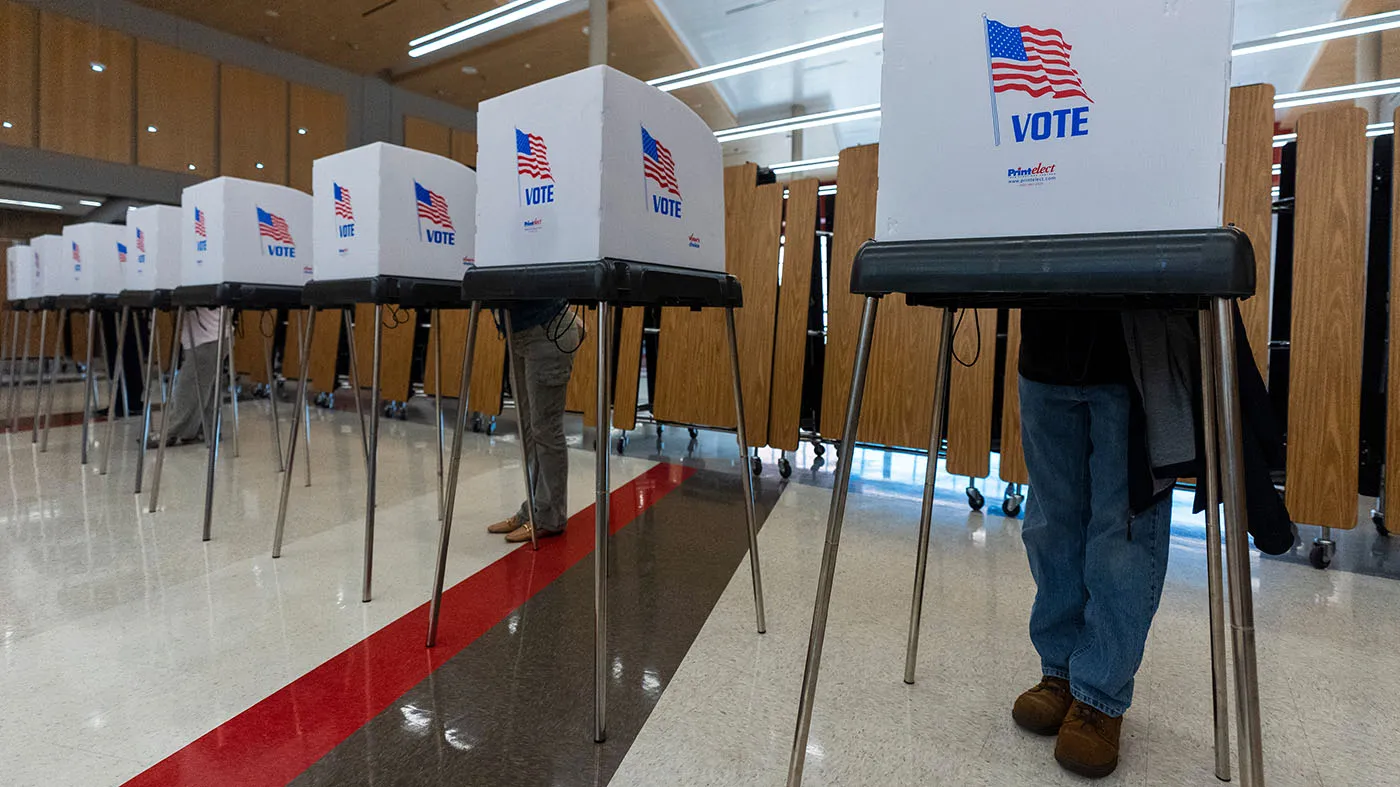
The 2026 midterm elections delivered a solid blue wave for Democrats along with a new class of noticeably younger candidates across the board, beating out both new and incumbent senior opponents.
Whether it was James Talarico and Gina Hinojosa in Texas, Abdul El-Sayed in Michigan, Annie Andrews in South Carolina, Melat Kiros in Colorado or Josh Turek in Iowa, young candidates across the country — especially Democrats — defeated older and more experienced opponents in their respective races.
At 29 years old, Kiros is also the first Gen Z woman elected to Congress. Republican Michael Alfonso, 27, beat Democrat Fred Clark, 67, to represent Wisconsin’s 7th Congressional District.
Some might call this a “youth wave,” but Santiago Mayer, executive director of the youth-centered pro-democracy group Voters Of Tomorrow, referred to the movement as more of a “youth quake” in scope.
“I think we have seen a lot of energy behind young candidates who understand young people’s frustration with the system and how the system is rigged, not just for older generations, but specifically for rich people in those older generations,” Mayer told The Hill. “We’ve seen Boomers have their net worth increase by almost 30 percent since 2022, whereas for people under 30, it shrunk by 20 percent. We need candidates who are working to fix that.”
Per the Future Caucus’s count , more than 40 non-incumbent millennials won their congressional races in the midterms and 50 others held on to their seats in their reelection bids.
Layla Zaidane, president and CEO of Future Caucus, emphasized that these election results are not a fluke.
“It’s important to remember that waves — especially tsunamis — don’t come out of nowhere,” Zaidane said. “More than a third of congressional candidates this cycle were under 45, up from 1 in 4 in 2024. At least 97 of them — 38 percent of the 272 who ran — have won their races, and Gen Z representation in the House tripled.”
And there are still young candidates out there who could beat their older rivals when the chips fall. In Mississippi, 43-year-old Democrat Scott Colom held a small lead over incumbent Sen. Cindy Hyde-Smith (R), 67, as of Friday evening. And in Alaska, Democratic 37-year-old Jonathan Kreiss-Tomkins was far outpacing all other candidates in the state’s gubernatorial race.
Zaidane opined that voter priorities this election cycle aligned with what younger candidates are often running on: change.
“This year, voters across the board were looking for exactly that. This crop of candidates also grew up online, so they have strong instincts for communicating consistently and engagingly on the platforms where more people than ever get their news. And they rejected the idea of waiting their turn,” said Zaidane.
And Mayer observed that while younger voters are often treated as single-issue constituents, successful Democratic candidates focused heavily on the economy and the lack of opportunity, going farther than just sympathizing but coming forward with fixes.
The refusal to wait for their turn or apologize for their youth was clear on the campaign trail.
Kiros told NPR back in February, “We need to have leaders that are going to be fighting for the kind of bold policies that actually get something done, and they’re refusing to settle or wait for our turn or ask for permission.”
This strong performance among young newcomers comes as Congress’s advancing age comes under the microscope . Six lawmakers have died during the 119th Congress, most of whom were past the usual age of retirement.
In South Carolina, Sen. Darline Graham (R), 62, was appointed to office after her brother, the late Sen. Lindsey Graham (R-S.C.), died of an aortic dissection. Despite an endorsement from President Trump and her familial legacy, Graham lost to Andrews, 46.
Trump is the oldest person to be sworn in as U.S. president, and Sen. Mitch McConnell’s (R-Ky.) prolonged absence from the Senate this summer for health reasons reignited questions over enacting term limits on lawmakers.
According to Mayer, the midterm results are not simply a rejection of senior lawmakers, but a welcoming in of “new energy” and “new vision” that just happened to be strongly correlated with younger candidates.
“I think obviously there is a lot of exhaustion and exasperation with the system being dysfunctional for young people. I also do think that obviously this being preceded by the 2024 election and what we saw there with regards to the age of the candidates really created an opening for younger people to run and not necessarily on age,” Mayer said.
While his organization’s mission is to build youth political power, Mayer rejects calls for pushing out senior lawmakers, saying he believes governments work best with a mix of young and old.
“I don’t think I would say it’s the end of the gerontocracy because I think we need to have older people who know how things work and have been doing them for a while in there. But I do think it is the end of dominance by older people because the world has simply kind of changed too much,” added Mayer.
While this election heavily favored young, Democratic candidates, both Mayer and Zaidane noted that Gen Z voters have not yet coalesced around one party over the other.
“Gen Z is still forming their political identity, and their support depends on results,” said Zaidane. “Just two years ago, young voters swung right; over the next two years, they’ll judge leaders on housing, jobs, and the cost of building a life, not slogans. Winning their votes is not the same as earning their trust.”
Topics in this story
Gathered from external sources. Rights to this text belong to whoever originally published it.