Warnock: ‘2028 could very well be theoretical’ if Democrats don’t win midterms
Sen. Raphael Warnock (D-Ga.) said in an interview released Sunday that he believed “2028 could very well be theoretical” if the Democratic Party does not win Tuesday’s midterm elections amid GOP attacks and potential legal battles regarding election results. “Now, where is your head on 2028?” Politico’s Jonathan Martin asked Warnock during an interview that…
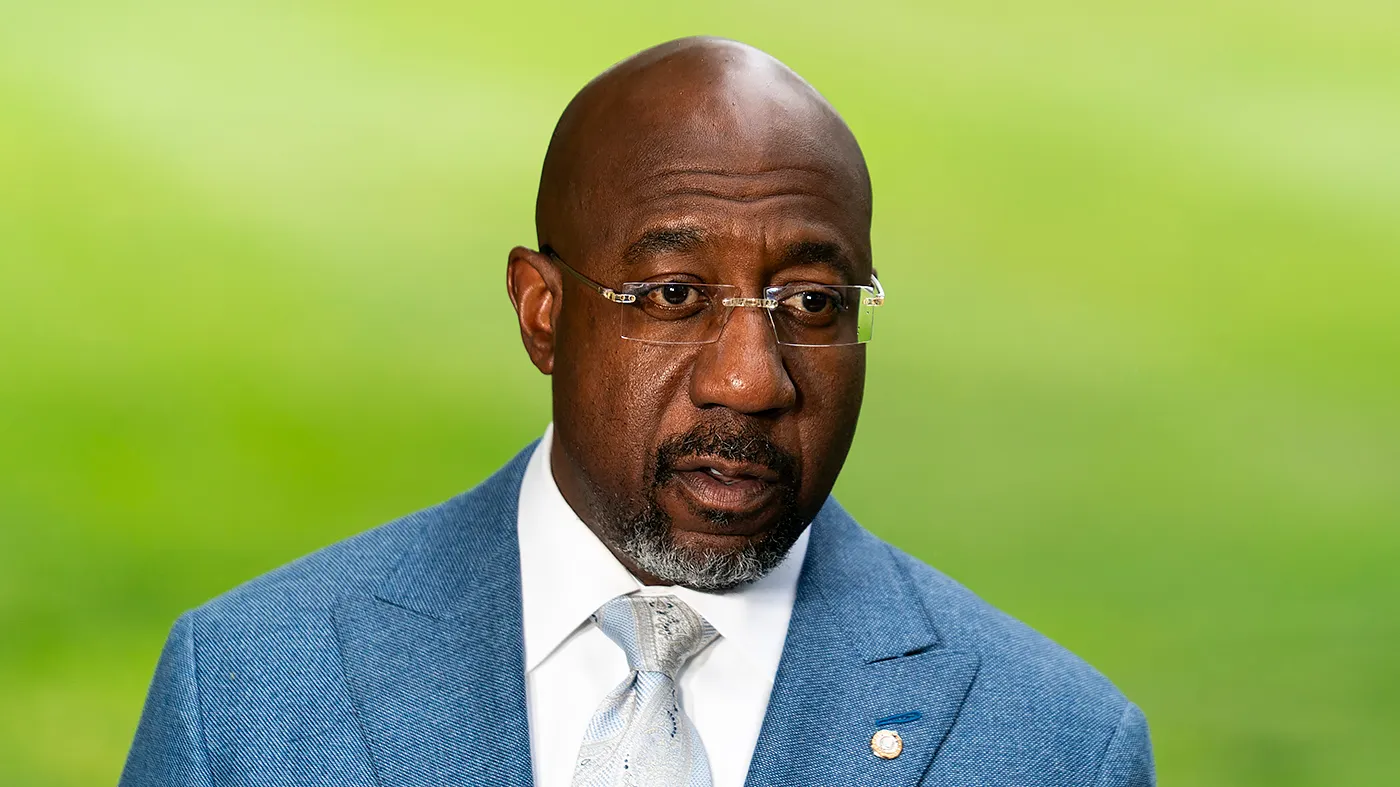
Sen. Raphael Warnock (D-Ga.) said in an interview released Sunday that he believed “2028 could very well be theoretical” if the Democratic Party does not win Tuesday’s midterm elections amid GOP attacks and potential legal battles regarding election results.
“Now, where is your head on 2028?” Politico’s Jonathan Martin asked Warnock during an interview that took place at a restaurant in Atlanta.
“My focus is on winning the midterms,” the senator answered. “And I think if we don’t … 2028 could very well be theoretical.”
“I mean, look what this president is doing. He’s already attacking California. He’s already filed this ridiculous lawsuit in Alaska. And while I feel hopeful about Tuesday, we still don’t know what else he’s gonna try,” he concluded.
The first case Warnock is referencing is the lawsuit the Department of Justice (DOJ) filed against California officials that sought to set aside 20,000 ballots the department claimed were from noncitizens.
The Supreme Court rejected the administration’s argument in a one-sentence order that contained no explanation and had no noted dissents. California previously argued in lower courts that the DOJ’s efforts and the lawsuit were an attempt to disenfranchise legal voters.
The DOJ filed another case concerning Alaska’s Senate race that attempted to block certification if incumbent Sen. Dan Sullivan (R-Alaska) loses against Democratic nominee Mary Peltola. The DOJ argued that the appearance of Daniel J. Sullivan’s name on the ballot would confuse Alaskan voters, siphoning votes away from the Republican senator with the same name, and accused Peltola’s campaign of recruiting the second Dan Sullivan.
A federal judge dismissed the administration’s case , ruling that it hadn’t shown how Peltola could rectify their concerns as ballots were already prepared for Tuesday.
President Trump told reporters that he would respect the results of Tuesday’s elections “if they’re honest elections,” adding in a Truth Social post that he was watching Minnesota’s Senate race for voter fraud.
This comment received criticism from national Democrats, particularly Sen. Tina Smith (D-Minn.) who accused the president of “laying the groundwork” to “steal” the election.
“He’s blatantly laying the groundwork to steal an election if his chosen candidate doesn’t win… Minnesota will not take kindly to thinly veiled threats from a guy we’ve rejected three times (soon to be four),” Smith wrote on social media last week.
Topics in this story
Gathered from external sources. Rights to this text belong to whoever originally published it.