Supreme Court rejects Trump administration’s bid to set aside 20,000 California ballots
The Supreme Court on Monday quickly rejected the Trump administration’s effort to force California officials to set aside 20,000 ballots it claims belong to likely noncitizens and must be investigated. The court’s one-sentence order contained no explanation and had no noted dissents. California and immigration rights groups question the veracity of the administration’s list and…
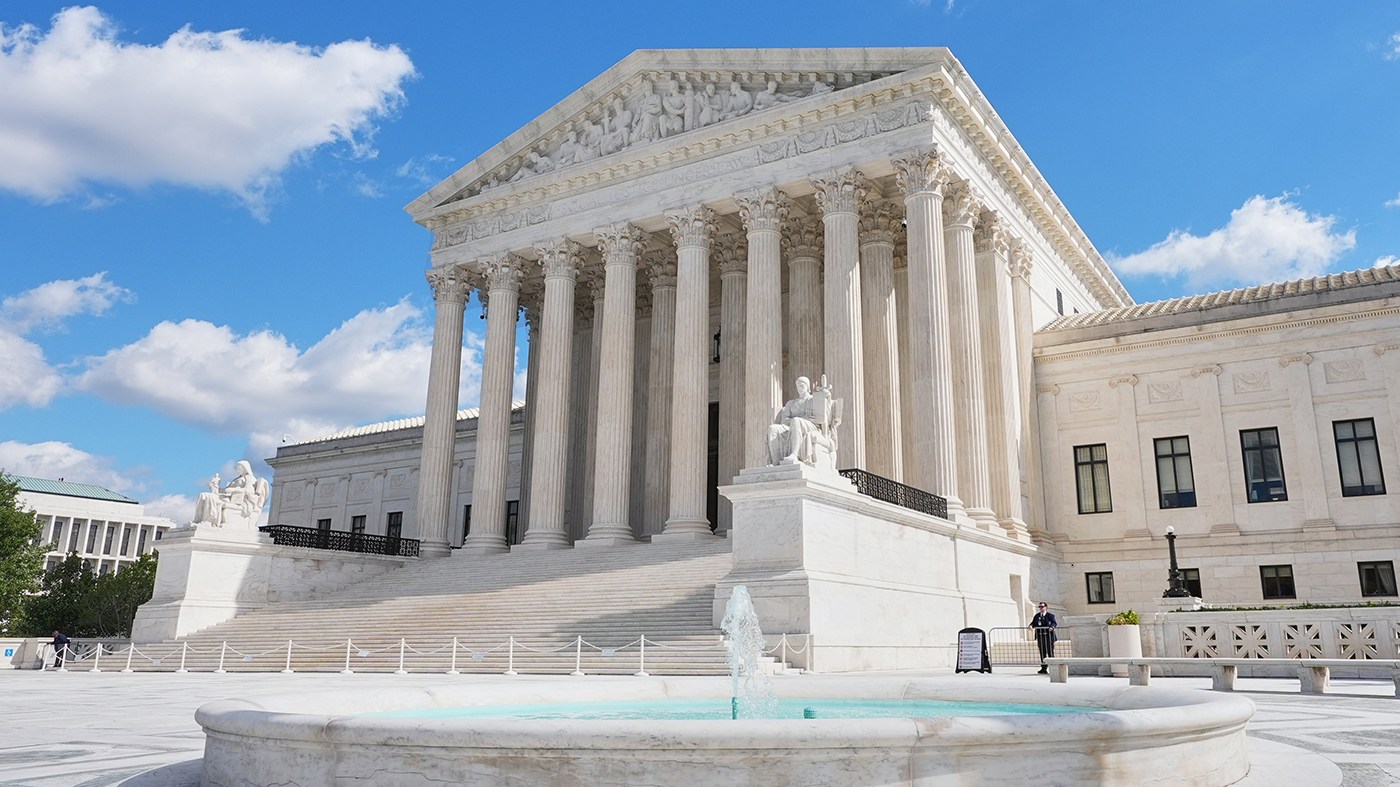
The Supreme Court on Monday quickly rejected the Trump administration’s effort to force California officials to set aside 20,000 ballots it claims belong to likely noncitizens and must be investigated.
The court’s one-sentence order contained no explanation and had no noted dissents.
California and immigration rights groups question the veracity of the administration’s list and say its lawsuit is an attempt to disenfranchise legal voters. The administration raced its claims to the Supreme Court earlier on Monday after California persuaded lower courts that the administration has no legal right to push the state to comply.
It’s one of multiple legal cases the Justice Department (DOJ) has launched in the final weeks leading up to the midterm contests. The DOJ has also emerged unsuccessful in Alaska, as it looks to block certification of the state’s Senate race over a second candidate with the same name as the incumbent.
Although it technically is not the end of the lawsuit in California, the Supreme Court’s emergency ruling appears to mark the final word ahead of Election Day.
All sides agree that ballots can’t be separated once they’re processed, and election officials have already received hundreds of thousands of mail ballots ahead of polls opening on Tuesday. It left the administration warning the justices that the clock was running out.
“The only way to preserve the district court’s ability to grant relief to the United States after a full merits proceeding, therefore, is to segregate the challenged ballots now. That remedy would not cause any undue hardship to California,” Solicitor General D. John Sauer wrote to the court.
The court rejected the bid within hours and without ordering California to file a response.
The Trump administration launched its lawsuit against California last month as it alleged the state was sending 20,000 likely noncitizens ballots as part of its universal mail-in voting program. All active, registered California voters are automatically sent a ballot. U.S. District Judge David Carter, an appointee of former President Clinton assigned the case, ruled last week that California could continue to accept the questioned ballots like any other.
“This request violates longstanding constitutional principles mandating that states have control over their elections,” Carter wrote. “If Plaintiff’s last-minute request for relief were granted, either party could create chaos for their own political purposes to disrupt the election process,” he continued. “Over 20,000 registered Californians would potentially lose the right that generations of Americans have fought to preserve.”
The Trump administration asked the Supreme Court to intervene after an appeals court declined to intervene in a 2-1 vote on Friday .
Ahead of the Supreme Court’s decision, California Attorney General Rob Bonta (D) said the appeal “reeks of desperation” and called it an attempt to undermine Tuesday’s election.
“My message to Californians is simple: Election Day is tomorrow, but don’t wait until then to vote. If you haven’t cast your ballot yet, make a plan to do so as soon as possible. We’ll keep handling the legal fight in court,” Bonta said in a statement.
The Hill has reached out to Bonta’s office and the Justice Department for comment.
Topics in this story
Gathered from external sources. Rights to this text belong to whoever originally published it.