The war on women is happening in a warehouse, not in the statehouse
Policy decisions that deeply affect millions of working women will be finalized this November.
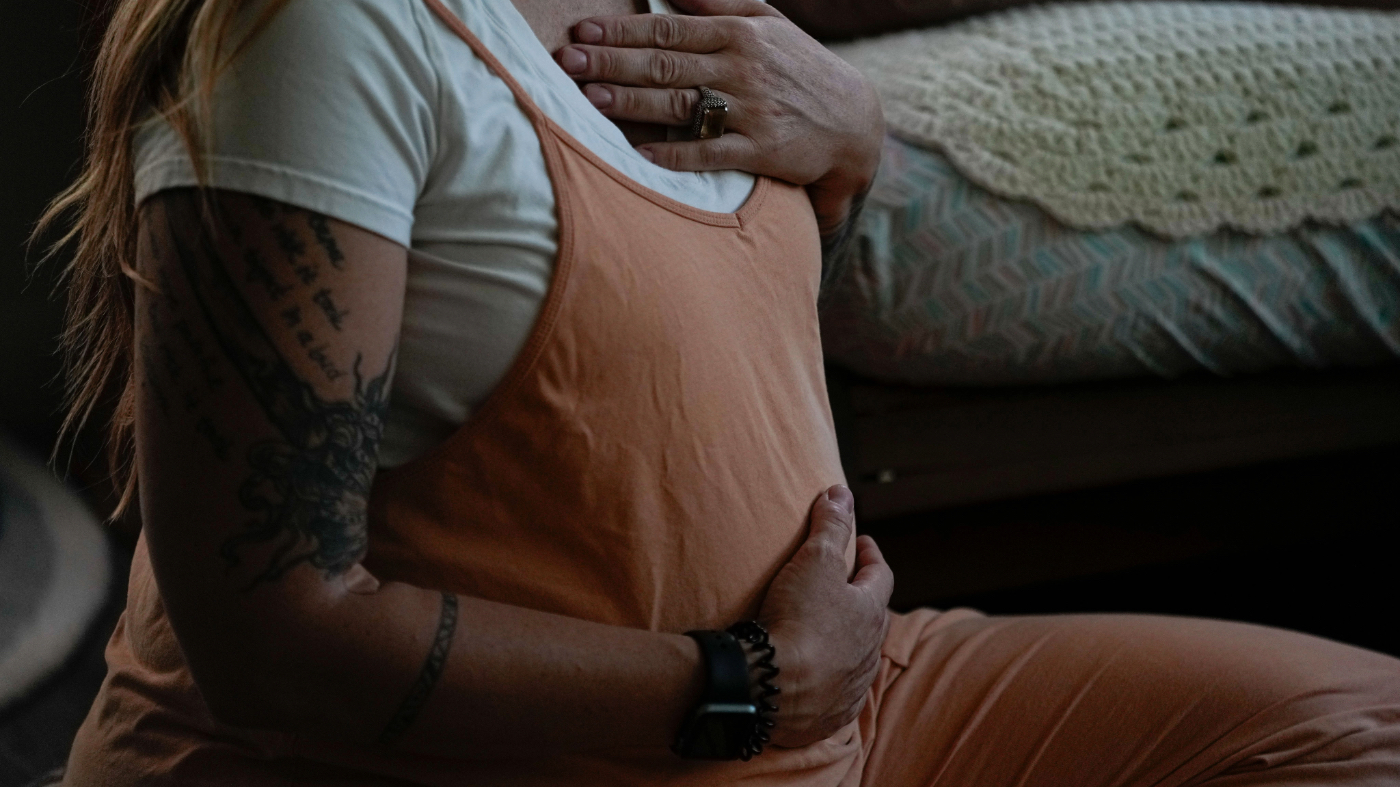
The next front in the fight for the rights of American women is not in the doctor’s office. It’s in an Amazon fulfillment warehouse and a Speedway convenience store. That’s where working-class women in shift and hourly jobs, the backbone of the American economy, suffer systematic abuses that may get worse pending the results of this year’s midterm elections.
That’s because policy decisions that deeply affect millions of working women will be finalized this November as American voters cast ballots grading President Trump’s second term.
The Equal Employment Opportunity Commission, an under-the-radar government agency created decades ago to protect women and minorities against unfair workplace measures, is being hollowed out from within as, in the administration’s words, a place for white men to report perceived abuses.
The commission announced late last month that it will finalize new proposed policy regulations within days of the elections, including undoing decades of workplace policy advances that allowed women to balance work and family.
Among other destructive line items, it is anticipated that new policy measures will essentially negate the Pregnant Workers Fairness Act , a bipartisan law signed in 2022 that ensured basic workplace accommodations for pregnant and postpartum women. These accommodations are often remarkably modest: access to water, temporary lifting restrictions, bathroom breaks, a chair during the third trimester, time off for prenatal treatments or fertility procedures or space to pump breast milk.
But unmaking these measures will result in systematically pushing women out of the workplace. And that’s exactly what they are intended to do, whether it is freshly emboldened, multibillion-dollar mega-corporations seeking to automate or fringe religious activists long eager to turn back the clock on women exiting the home to endter the workforce.
The women most affected are not executives or professionals with college degrees and jobs with typically generous leave and accommodations policies. The women most affected will be warehouse pickers, cashiers and factory workers who cannot work from home or absorb months without a paycheck, who desperately depend on their $20 per hour wages.
Consider the story of an Amazon warehouse associate with a high-risk pregnancy who reached out to my organization. Despite doctors’ orders, Amazon refused her basic accommodations, including sitting breaks. She was repeatedly hospitalized before ultimately losing her job.
A pregnant Speedway cashier who reached out to us was likewise denied the ability to sit while working. She suffered a pregnancy-related medical emergency and was forced onto involuntary, unpaid leave.
These changes at the Equal Employment Opportunity Commission are not occurring in isolation. They fit within a broader agenda that increasingly seeks to push women toward motherhood and away from economic independence. Trump has considered numerous such proposals — including birthing bonuses and even a “ national medal of motherhood ” for women with six or more children.
It is not just a regressive concept of societal roles. Passing the SAVE Act would also make it more difficult for millions of women to vote, and the Department of Health and Human Services is undermining comprehensive reproductive health care and advancing a narrow vision of women’s health centered on childbirth.
Few of these developments have entered the national conversation, which is likely by design. The affected women are largely working-class and fearful of losing a paycheck. They cannot afford legal teams, lobbyists and communications specialists.
My organization’s free legal helpline hears from thousands of workers each year with similar stories. Their pleas are not political, but practical. Can they keep their jobs while pregnant? Can they return to work after having a baby? Can they continue supporting their families without being forced to choose between their health and their paycheck?
These questions go to the heart of whether the nation’s economy can include women, and whether the concept of opportunity means anything at all if women can be pushed out of the workforce because it serves a radical political ideology.
In four months, millions of Americans will head to the polls. The same month, a federal agency will take a massive step toward allowing the firing of millions of American women, permanently altering the independence of women across the country.
If there is no accountability for this incoming economic and social disaster, it will be because we let it happen. And, in doing so, we would reveal that the women who pack our deliveries and swipe our cards after we fill up the car just aren’t very important to some people.
Inimai Chettiar is the president of A Better Balance, an advocate for paid leave, family leave and workplace policy advancements for women and families.
Topics in this story
Gathered from external sources. Rights to this text belong to whoever originally published it.