Hawley expands Flock camera probe to other AI-powered surveillance systems
Sen. Josh Hawley (R-Mo.) announced Thursday he would broaden his probe into Flock Safety’s roadside cameras to include AI surveillance networks run by three other companies. “Flock does not stand alone in the surveillance industry,” wrote the senator, who chairs the Senate Judiciary Subcommittee on Crime and Counterterrorism, on social media. “Other companies are also…
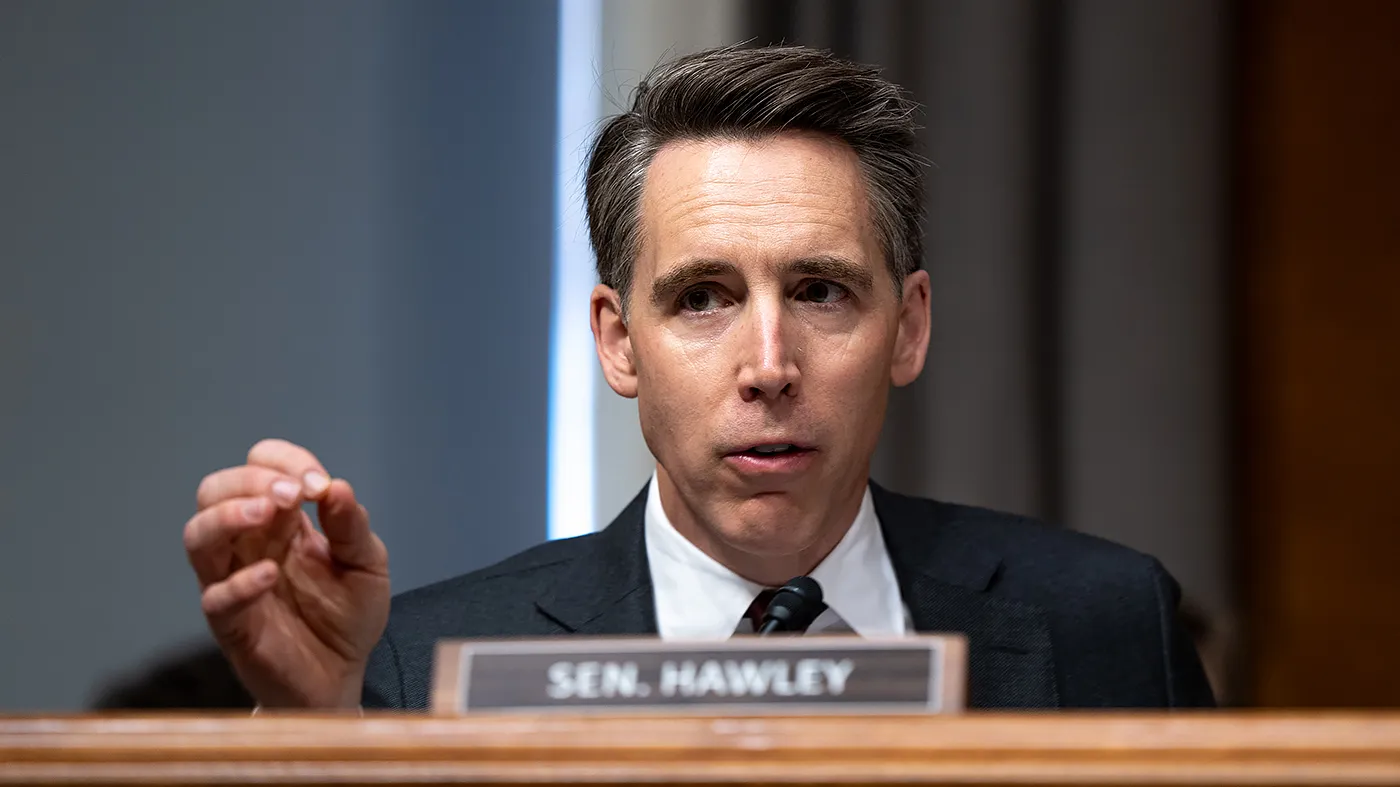
Sen. Josh Hawley (R-Mo.) announced Thursday he would broaden his probe into Flock Safety’s roadside cameras to include AI surveillance networks run by three other companies.
“Flock does not stand alone in the surveillance industry,” wrote the senator, who chairs the Senate Judiciary Subcommittee on Crime and Counterterrorism, on social media .
“Other companies are also building large camera networks, assisted by artificial intelligence, that intrude on the privacy of all Americans,” he continued. “That is why I’m expanding my investigation.”
In new letters to the top executives of Motorola Solutions Inc. , Verkada Inc. and Axon Enterprise Inc. , Hawley requested information about these companies’ policies around the retention and use of citizen data collected by their AI camera networks.
The Hill has reached out to all three companies for comment.
Last week, the Missouri lawmaker wrote to Flock CEO Garrett Langley, expressing concerns that the company’s network of more than 120,000 cameras across 49 states has led to “abuse and misuse of personal data” because of a “woeful lack of safeguards in these systems.”
The company has faced public outcry amid reports that police officers across the nation have abused the nationwide surveillance network to spy on former romantic partners. Several police departments have severed their contracts with the company due to concerns about a lack of safeguards.
GOP Rep. Thomas Massie (Ky.) unveiled the Flock-Off Act in the House this week, which would block the use of federal funding for automated license plate reader cameras and biometric surveillance cameras.
“The federal government shouldn’t provide ‘security’ grants to cities and police departments that have gone beyond the pale and turned their communities into a version of ‘1984,’” the Kentucky Republican said in a press release.
Flock criticized the House bill in a statement to The Hill on Thursday, warning it could “have real consequences for public safety.”
“Rather than banning a critical public safety tool, Congress should consider strong, clear safeguards that ensure accountability, oversight, and responsible use are enshrined in law,” a company spokesperson said. “We do not have to choose between protecting privacy and giving law enforcement the tools it needs to keep communities safe. We can — and should — do both.”
Topics in this story
Gathered from external sources. Rights to this text belong to whoever originally published it.