Paramount (PSKY)’s CEO Has Cleared 68 Countries for His Warner Bros (WBD) Deal. California Still Won’t Budge
CNBC reported that Paramount Skydance Corporation (NASDAQ:PSKY) CEO David Ellison has cleared regulatory approval in 68 jurisdictions for his $110 billion bi...
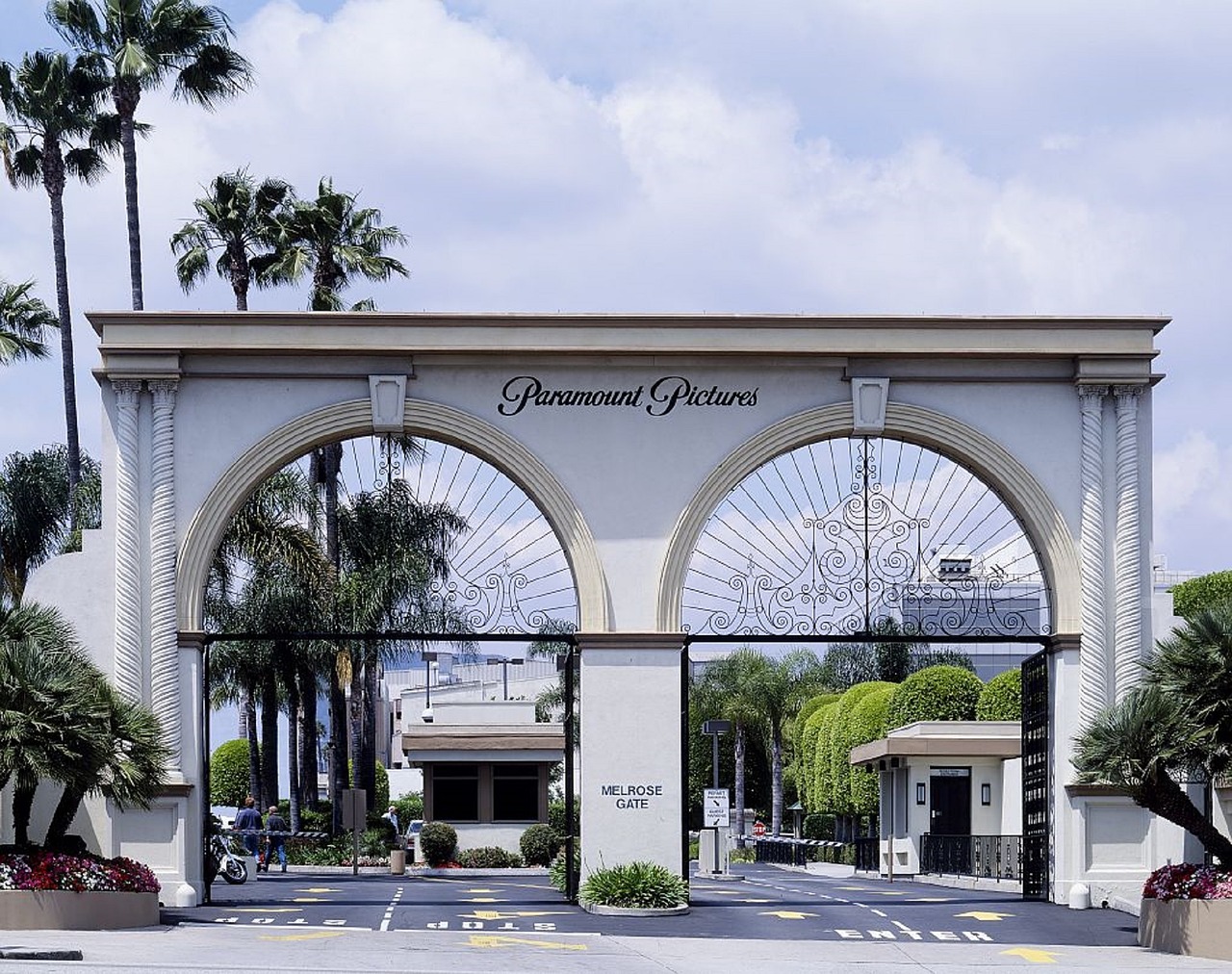
CNBC reported that Paramount Skydance Corporation (NASDAQ: PSKY ) CEO David Ellison has cleared regulatory approval in 68 jurisdictions for his $110 billion bid to acquire Warner Bros. Discovery, Inc. (NASDAQ: WBD ), but a lawsuit from 12 state attorneys general remains the final obstacle.
California Attorney General Rob Bonta, who leads the states' case, canceled a planned settlement meeting with Ellison, noting a "lack of good faith." Paramount said it remains "hopeful" and denied being the source of leaks about the talks. Media veteran Tom Rogers said California's home constituency is "overwhelmingly against the transaction," reducing the state's incentive to settle. Paramount faces a ticking fee that could reach roughly $650 million per quarter starting September 30 and asked a court to force the states to post a $1.88 billion bond.
The deal already holds broad global regulatory approval, which strengthens Paramount Skydance Corporation (NASDAQ: PSKY )'s position in the remaining state dispute. With clearance from roughly 68 jurisdictions worldwide, the state antitrust lawsuits represent the main remaining obstacle rather than a broad regulatory challenge. This gives Paramount a strong basis to argue that the transaction has already withstood extensive regulatory scrutiny.
For Warner Bros. Discovery, Inc. (NASDAQ: WBD ) shareholders, California Governor Gavin Newsom is sending a clear signal that he prefers a settlement over a prolonged court battle. If Paramount can satisfy California and the other states, WBD shareholders can finally receive the agreed payment instead of remaining stuck in legal limbo. That makes a negotiated resolution potentially attractive to shareholders who have faced prolonged uncertainty around the transaction.
Paramount has also shown flexibility rather than simply defending the deal's original terms. The company has acknowledged that it is considering structural changes to settle the lawsuits. It shows management is willing to make concessions to get the transaction completed. That flexibility could improve the chances of reaching a settlement without requiring the companies to wait for a lengthy court process.
For Paramount, a settlement could avoid the high costs of prolonged litigation and reduce the financial burden associated with delaying the closing. The firm faces quarterly payments to Warner Bros shareholders if the deal closes after the September 30 deadline, making a negotiated resolution increasingly valuable. Settling the disputes would reduce uncertainty, limit additional costs, and allow Paramount to move more quickly toward realizing the strategic benefits of combining the two companies.
Topics in this story
Gathered from external sources. Rights to this text belong to whoever originally published it.