Gap closed 350 stores and now has an Old Navy problem
Making the cheap brand chic again may be one challenge too many.
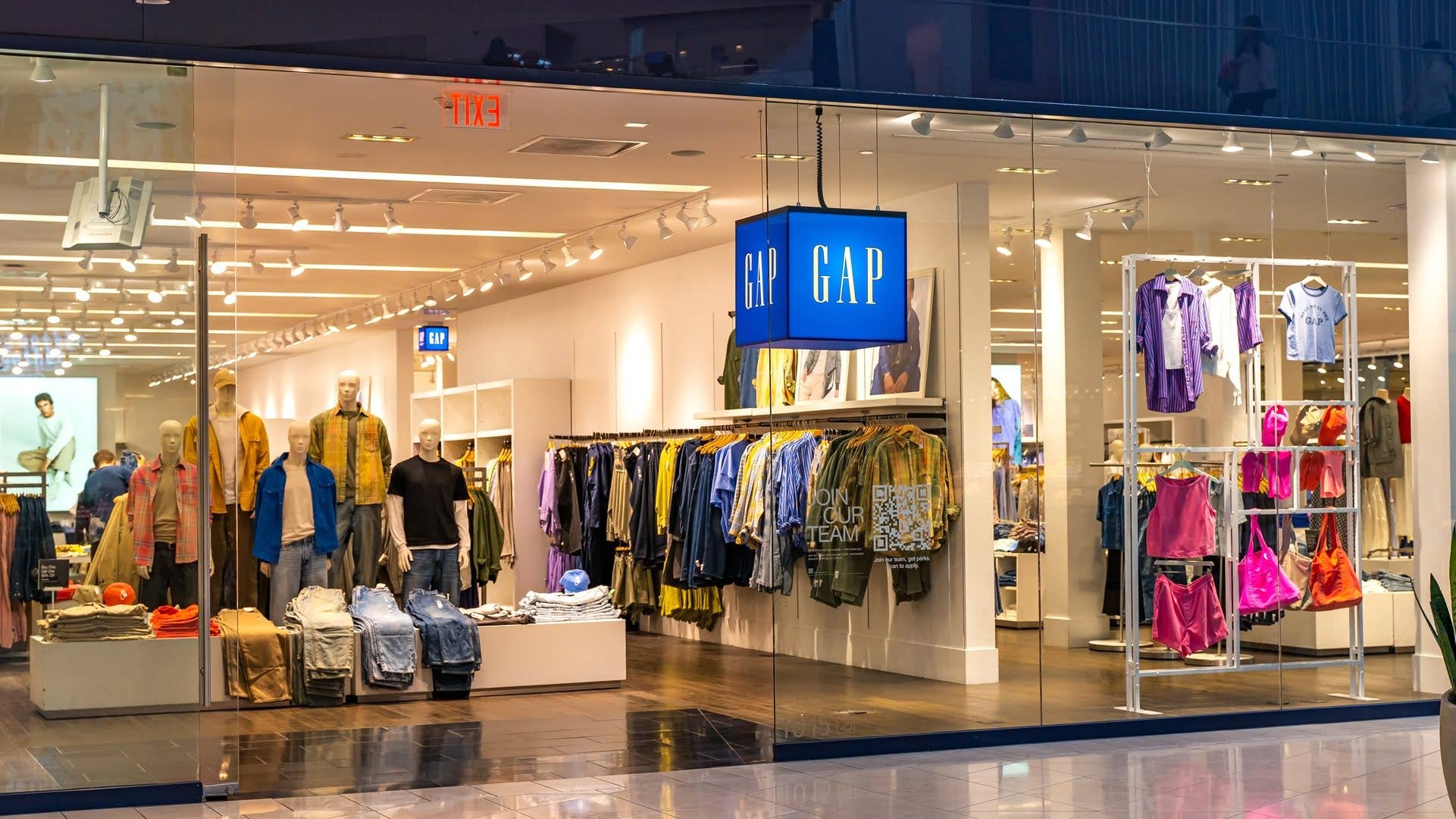
Few retail chains that filled malls in the 1980s and 1990s still exist today.
Teenage me could have shopped at Chess King for shiny shirts, visited Gadzooks for baggy pants, or gone a little classier and purchased dressier clothes at Structure. All of those chains were fairly, if not very, popular for a minute, and none of them exist now.
Former Tory Burch Chief Client Officer Francesca Danzi told Forbes that it's a major challenge for a brand to remain relevant across decades.
"Enhancing retail experience is key and goes beyond adding omnichannel capabilities that boost convenience. We are witnessing the rise of experiential retail that is reshaping the store of the future," she said.
Danzi does not see the so-called retail apocalypse as a crisis where stores are closing, but as an opportunity to right-size store portfolios.
"Actually, what I see is the continuous integration and convergence of physical stores, e-commerce websites and digital content/marketing platforms. Relevancy and personalization are key," she added.
It's a changing market that makes the ongoing survival of Gap Inc. impressive. The Gap, the company's flagship brand, was a hip mall chain in the 1980s that maintained that status through the 1990s.
Now, the company has completed its process of closing 350 stores, but the company still faces a difficult cost equation.
"In the second quarter, while the company exceeded our profit expectations, we delivered a net sales decline of 2% with mixed performance on the top line across the portfolio. While not the revenue outcome we wanted, continued operational and financial rigor contributed to gross margin strength," Gap CEO Richard Dickson said during the chain's second-quarter earnings call .
"The Gap brand delivered another exceptional quarter with comparable sales increasing 10%, and Banana Republic continued to build momentum, posting its fifth consecutive quarter of positive comps. Athleta's top line remained pressured, though we saw encouraging improvements in inventory productivity," he added.
Old Navy, which was the company's strength in the 2000s and 2010s when the chain's namesake brand lagged, has been dragging the company down.
"At Old Navy, as we previewed on last quarter's call, seasonal categories continued to weigh on performance. While we took actions to address this as the quarter progressed, we also experienced a slowdown in traffic, which led to a modest miss versus our expectations," the CEO shared.
Topics in this story
Gathered from external sources. Rights to this text belong to whoever originally published it.