Warren Buffett has a stark message for stock market investors
Buffett dishes sound advice on ordinary pullbacks, even ones that rattle everyday investors.
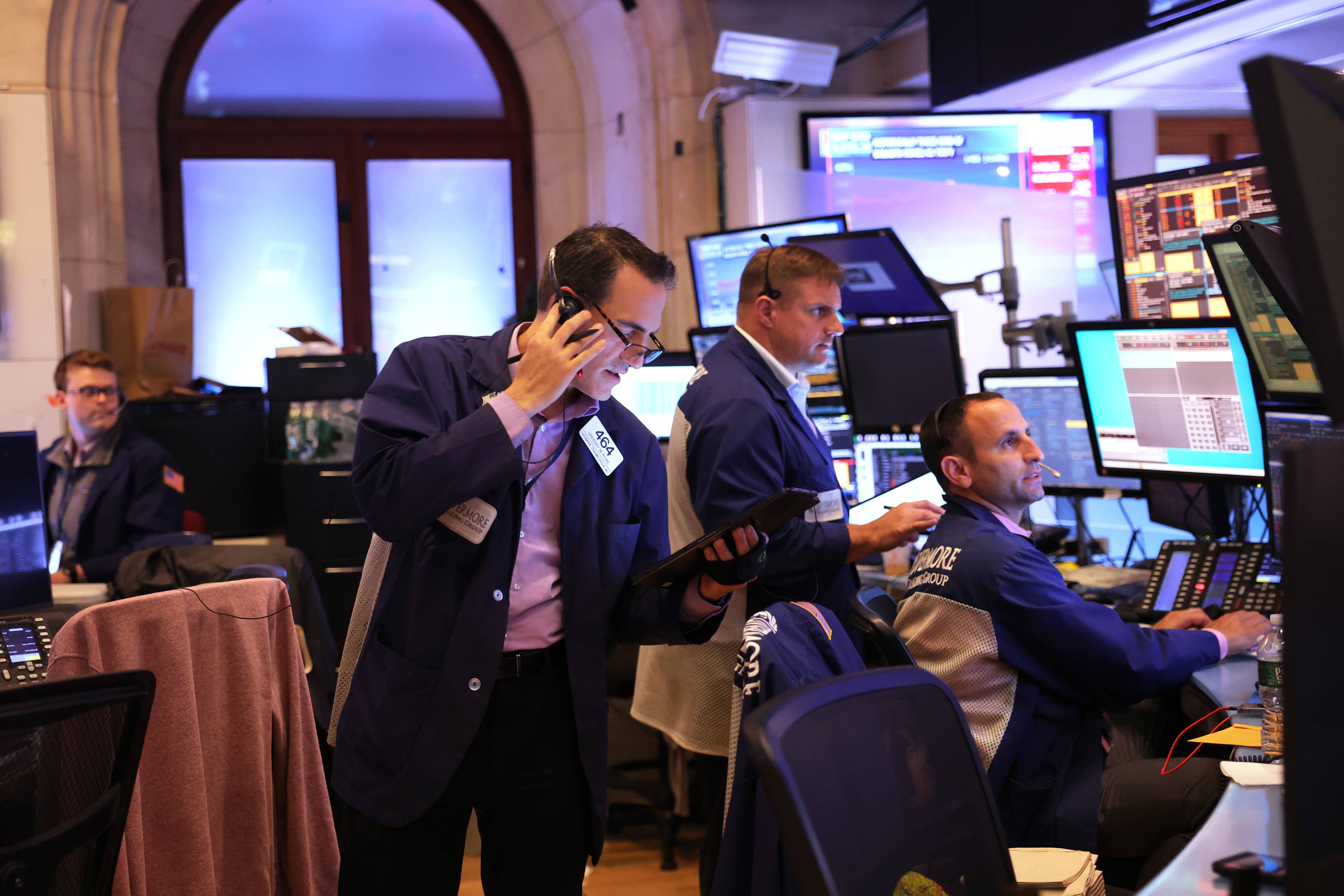
Markets have had a bumpier ride lately, even with records still being set throughout 2026. When headlines turn scary, most investors' instincts point the wrong way.
One 96-year-old billionaire has been here before, more than once, and his advice from the depths of a much worse crisis is getting renewed attention right now, nearly two decades after he first wrote it.
Warren Buffett's 2008 op-ed advice is making the rounds again
The S&P 500, Dow Jones Industrial Average, and Nasdaq Composite have all hit record highs in 2026, but returns have been stuck in the single digits since May as tech stocks wobble and rate-hike odds creep back up.
That backdrop is reviving interest in something Warren Buffett wrote nearly 18 years ago, when the stakes were far higher than a single-digit wobble.
In October 2008, with the S&P 500 down more than a third from its highs and the country deep in the Great Recession, Buffett published a New York Times op-ed titled "Buy American. I Am."
He argued that bad news is an investor's best friend because it lets people buy into the country's future at a discount, according to CNBC .
Buffett acknowledged that weaker and highly leveraged companies could face serious problems, but he said fears about the long-term health of sound businesses were overblown, predicting most would be setting "new profit records five, 10, and 20 years from now."
History backed him up. The S&P 500 has climbed more than 1,000% from its March 2009 financial-crisis low, and the investors who kept buying through the worst of the headlines ended up capturing the bulk of that recovery, according to The Motley Fool .
The market's current mood echoes 2026's own volatility
Some of the same ingredients from 2008 are showing up again, just in a milder form. Rising oil prices tied to the ongoing conflict between the U.S. and Iran have repeatedly dragged stocks lower this year, with the Dow falling 374 points on Aug. 31 after new U.S. strikes against Iran, as MarketWatch reported.
Interest rate uncertainty has added to the churn. By late August, traders were pricing in just a 32.6% chance of a September rate cut, a sharp reversal from just weeks earlier, when the market had leaned toward expecting one, based on the CME Group's FedWatch tool cited by CCN .
Treasury market stress has piled on, too. The 30-year Treasury yield tested its highest level in nearly two decades in mid-August as fiscal concerns, inflation risks, and geopolitical tensions pushed long-term borrowing costs higher, pressuring stocks even as some sectors, such as technology, still posted solid monthly gains, according to TheStreet .
Topics in this story
Gathered from external sources. Rights to this text belong to whoever originally published it.