The VIX volatility index just spiked 70%. Here's what history suggests comes next.
Looking for a reason or two to be optimistic after a bruising stock sell-off.
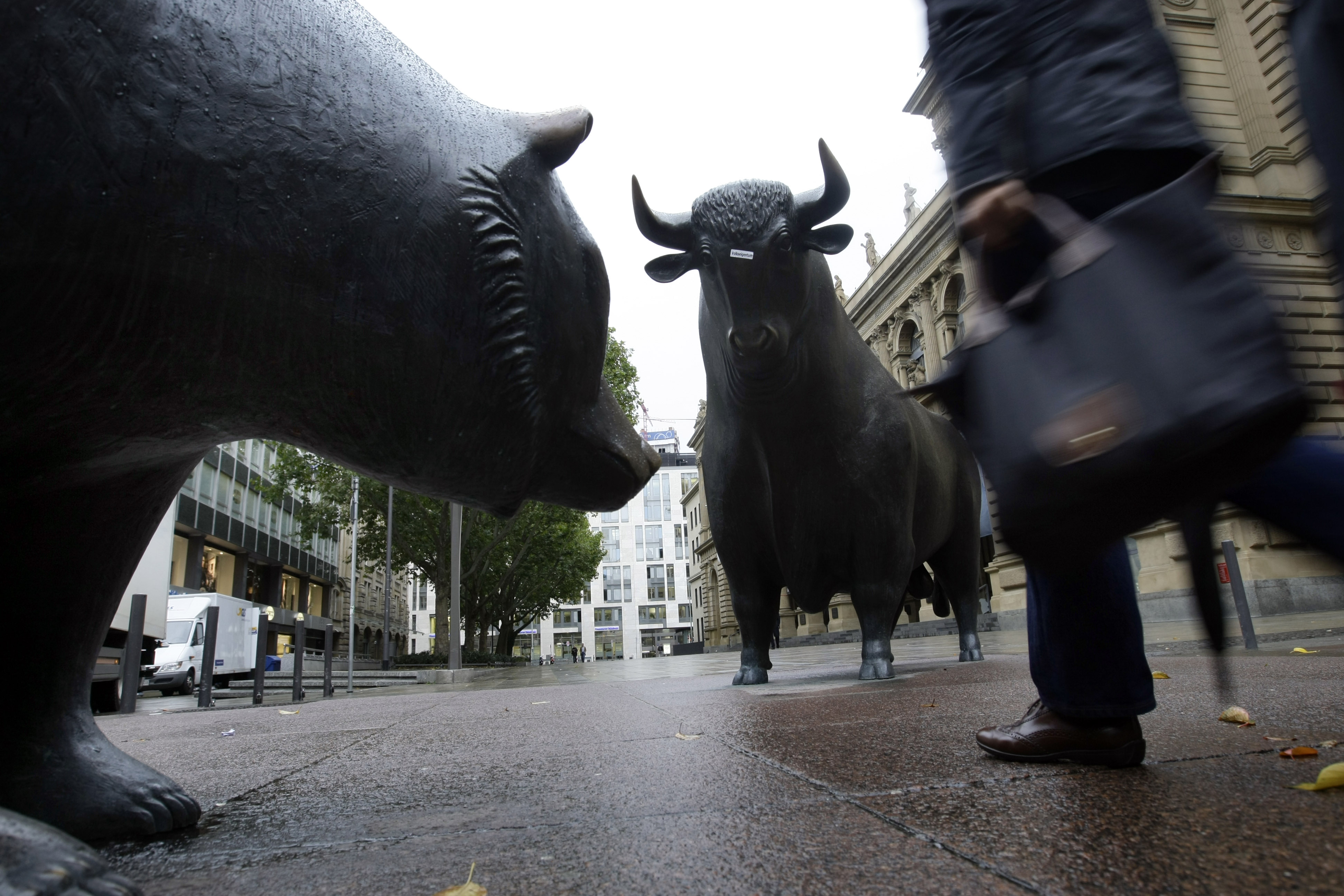
If you are looking for something positive after Thursday's shocking stock beatdown , you have come to the right place ahead of the weekend.
History suggests stocks tend to do well after the extreme volatility we saw two days removed from the Election Day blue wave.
The VIX volatility index ( ^VVIX ) — better known as Wall Street's fear gauge — jumped as much as 70% on Thursday. A move this large has only happened eight times since 1991, according to data from CBOE.
Here's what happened to the S&P 500 on average after the eight prior extreme moves:
1 month later: +3.0% (7 of 8 times positive)
3 months later: +7.1% (6 of 8 times positive)
6 months later: +10.4% (8 of 8 times positive)
1 year later: +14.7% (7 of 8 times positive)
While somewhat comforting, it doesn't exactly erase from the minds what happened in the markets yesterday, as risk was repriced for a Democratic control of the House and Senate.
The S&P 500 ( ^GSPC ) lost 4.4% of its market value, wiping out $3 trillion in the process. Looked at another way, the total market capitalization of the S&P 500 fell from $68.9 trillion to $65.9 trillion — the largest one-day dollar loss in the index's history.
The Dow Jones Industrial Average plunged 1,830 points in its worst single-day rout since 2020. The tech-heavy Nasdaq cratered 5.5%, dragged down by semiconductor and cloud giants such as Micron ( MU ) and Sandisk ( SNDK ).
"We are now seeing something of a buyers' strike in tech," said Truist chief markets strategist Keith Lerner.
Follow Brian Sozzi on X @BrianSozzi , Instagram , and LinkedIn . Tips on stories? Email him at brian.sozzi@yahoofinance.com.
Topics in this story
Gathered from external sources. Rights to this text belong to whoever originally published it.