Tesla must prove Cybercab is legal to sell, NHTSA says
Tesla now has to prove to government regulators that its Cybercab — which has no steering wheel or pedals — is legal to sell, and safe for the road.
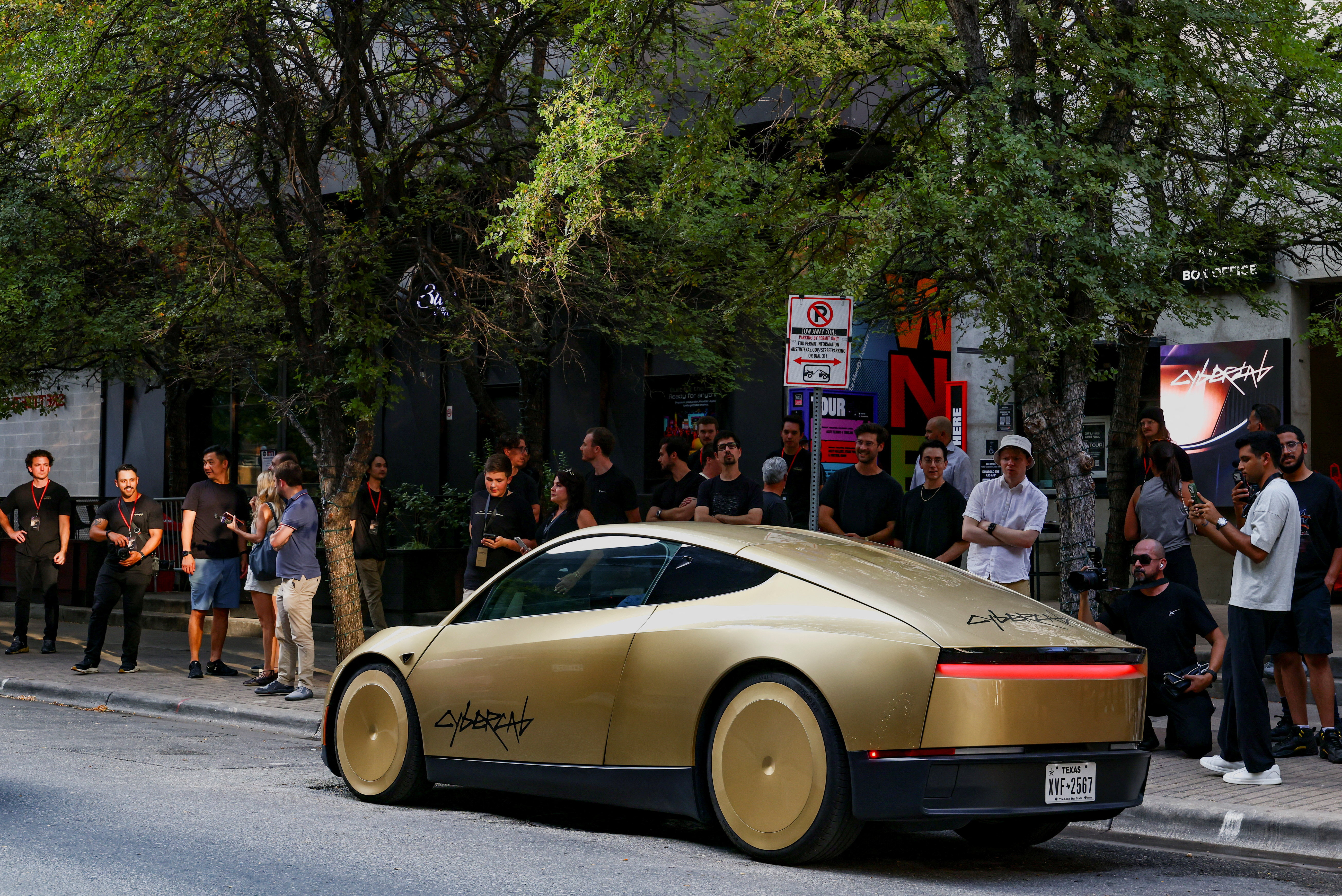
Tesla ( TSLA ) has to prove to government regulators that its Cybercab — which has no steering wheel or pedals — is legal to sell, and thus safe for the road.
Per a new letter from NHTSA, the safety agency issued a "special order" requiring Tesla to produce information and data on the process it used to certify the Cybercab for use. Tesla, like other manufacturers, is allowed to self-certify vehicles for sale as long as they meet all the requirements set forth by the Federal Motor Vehicle Safety Standards (FMVSS).
The core of the request deals with how Tesla self-certified its Cybercab robotaxi as compliant with federal safety standards despite the vehicle having no steering wheel, no pedals, and none of the mirrors or even turn-signal controls that federal rules assume a human driver will use.
In a 21-part request, the NHTSA is requiring Tesla to list every standard it certified to and explain in detail how a car with no driver controls meets rules governing indicators, turning, and braking, which a pedal- and steering wheel-less Cybercab appears unable to satisfy.
The agency is specifically concerned about whether Tesla relied on temporarily bolted-in steering wheels and pedals to pass certification and then removed them, which could run afoul of the Safety Act's prohibition on rendering required safety equipment inoperative.
Finally, it demands that Tesla explain how the Cybercab complies with the rules without seeking an exemption under Part 555 of the federal rules.
Part 555 allows automakers to seek an exemption from FMVSS rules if the rules are unduly burdensome. NHTSA has said in the past that any vehicle "solely operated by an ADS" or automated driving system would likely need an exemption before being able to be lawfully sold.
Amazon's ( AMZN ) Zoox, for example, received the necessary NHTSA authorizations for the exemption after first proving the safety case for its robotaxis, then received its commercial permit.
Tesla has until Sept. 30 to respond to the request or face fines and penalties. For Tesla, this is a big deal, as the company has bet its future on physical AI, including autonomy (self-driving), robotaxis, and robots.
The federal rules add to any state and local rules, which Tesla would also have to satisfy before operating a fully unsupervised robotaxi network.
Tesla has also suggested it would sell the Cybercabs to the public, which now seems under threat given the rules NHTSA has in place for vehicle sales and, thus far, its inclination to approve robotaxi use for commercial operators.
Topics in this story
Gathered from external sources. Rights to this text belong to whoever originally published it.